
Volume 3, Issue 1
Perspective
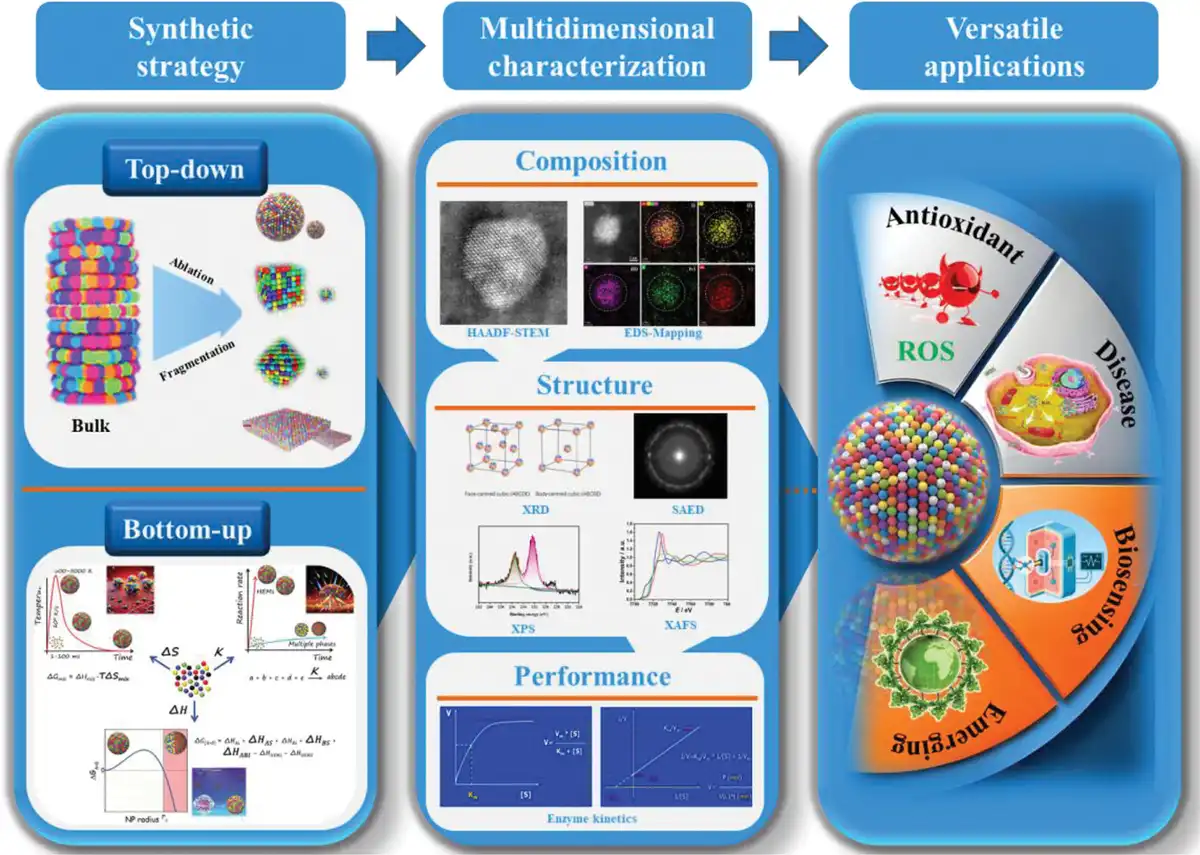
High-entropy nanozymes: a frontier toward next-generation high-performance nanozymes
Review Article
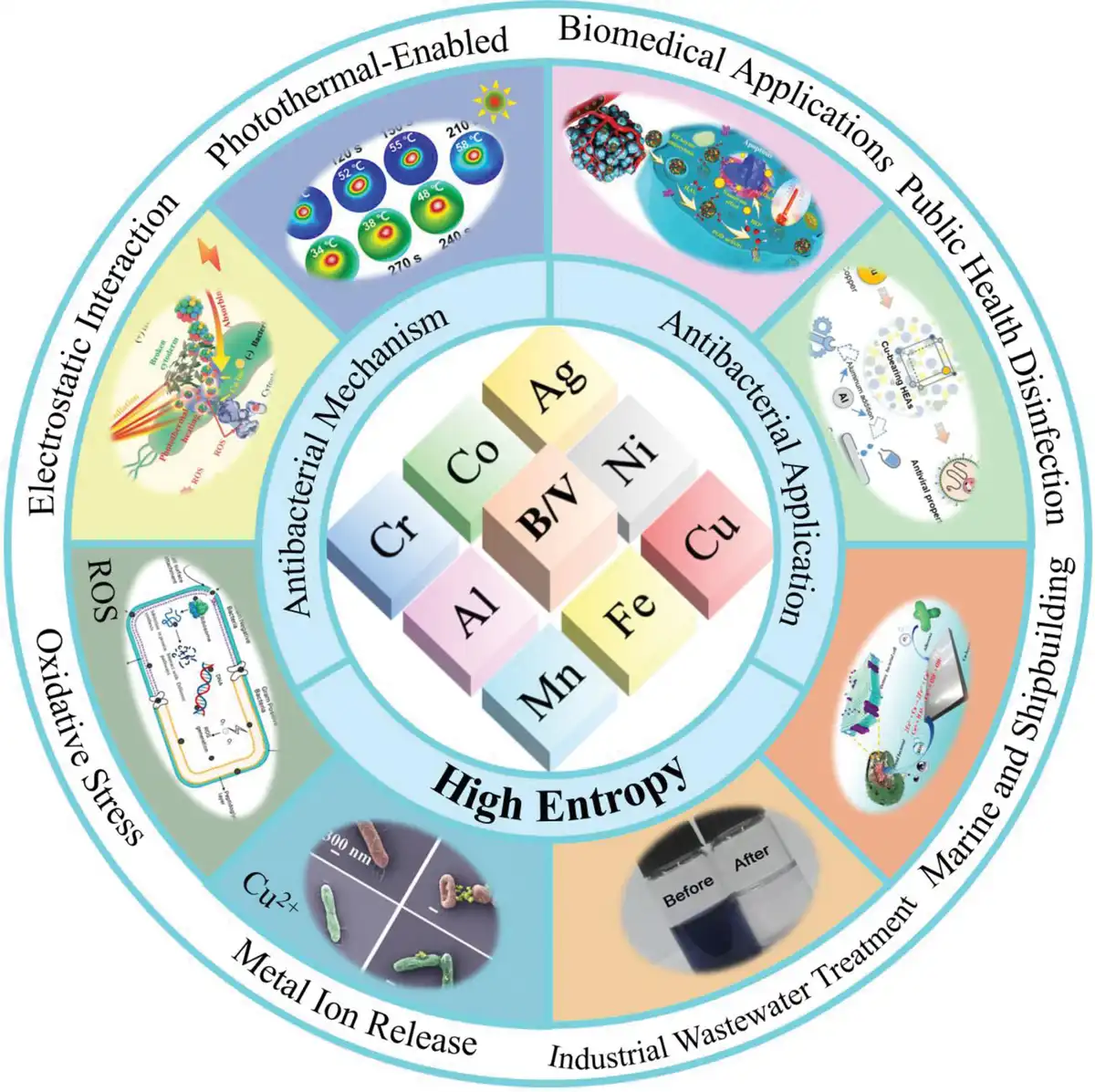
High-entropy antibacterial materials
High-entropy materials (HEMs), composed of 5 or more principal elements in near-equimolar ratios, have emerged as robust, multifunctional platforms for antimicrobial applications. This review introduces the fundamental principles and structural features of HEMs, focusing on their entropy-driven stability and synergistic properties. Four principal antibacterial mechanisms are discussed: controlled-release of biocidal metal ions, efficient photothermal sterilization, catalytic or oxide-mediated generation of reactive oxygen species, and electrostatic interactions resulting in contact killing. Representative studies illustrate how composition and microstructure can be engineered to optimize antimicrobial efficacy without sacrificing material integrity. The review then summarizes recent progress in applying high-entropy antibacterial materials across diverse areas, including biomedical implants and nanozymes for infection control and cancer therapy, self-disinfecting surfaces for public health, advanced catalysts for wastewater treatment, and antifouling, anticorrosion coatings for marine environments. Finally, current challenges, such as the complexity of compositional design and the need for comprehensive biosafety and environmental impact evaluation, are highlighted, alongside future directions involving computational design, multidisciplinary characterization, and scalable manufacturing. High-entropy antibacterial materials, thus, present a transformative strategy for addressing pathogenic threats, offering durable and broad-spectrum protection in a wide range of applications.
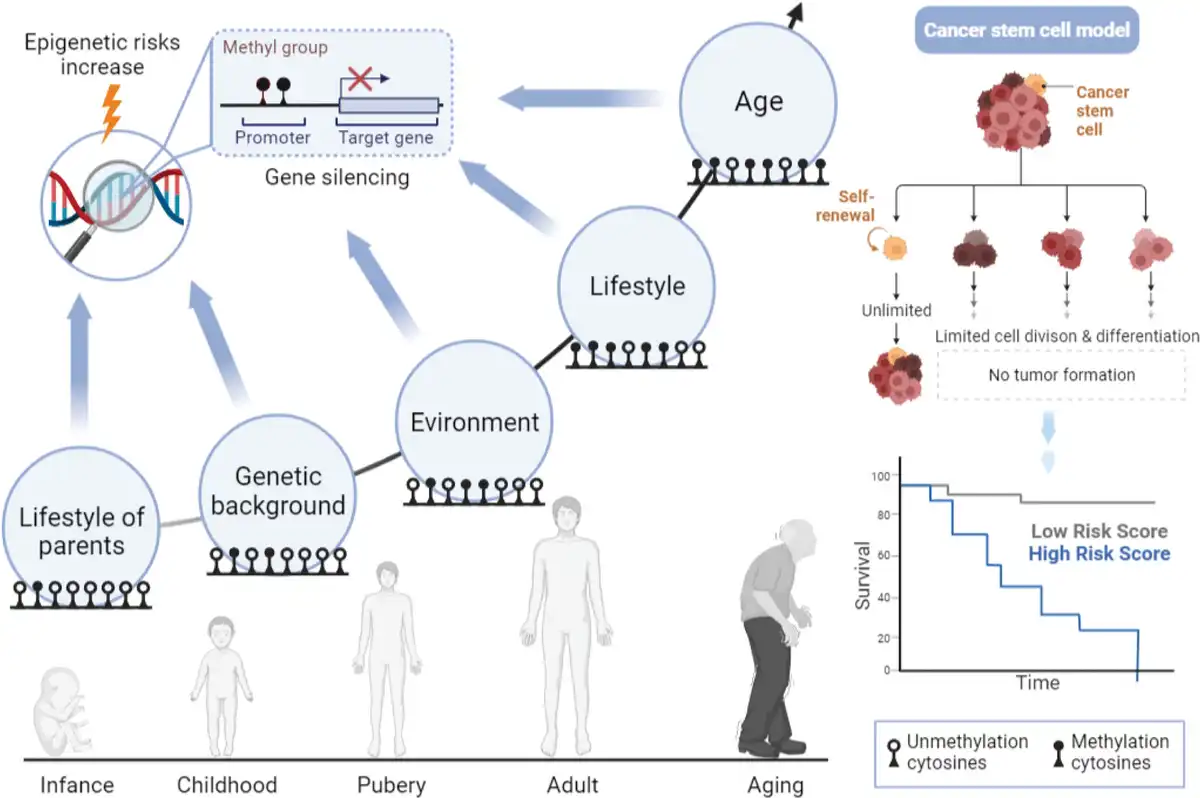
Recent advances in DNA methylation in tumorigenesis and diagnosis
DNA methylation is the process of adding a methyl group to the 5’-carbon of the cytosine residue in the CpG dinucleotide sequence, and it is one of the key components of epigenetic modifications. DNA methylation occurs alongside various biological processes. Abnormal DNA methylation is often associated with the onset of various severe diseases. As a century-old problem that threatens human life, in-depth studies of tumors have revealed abundant evidence of dysregulated DNA methylation. Numerous studies have indicated that DNA hypermethylation tends to impact the transcription of many tumor suppressor genes, leading to the immortalization of tumor cells. In this review, we systematically summarize the progression of DNA methylation in tumor types with current high incidence rates. We also summarize the current clinical methods of DNA methylation detection and treatment and provide an in-depth analysis of the advantages and limitations of these methods. In addition, we discuss the future limitations and challenges faced by DNA methylation research, aiming to advance its clinical application in tumor diagnosis and treatment.
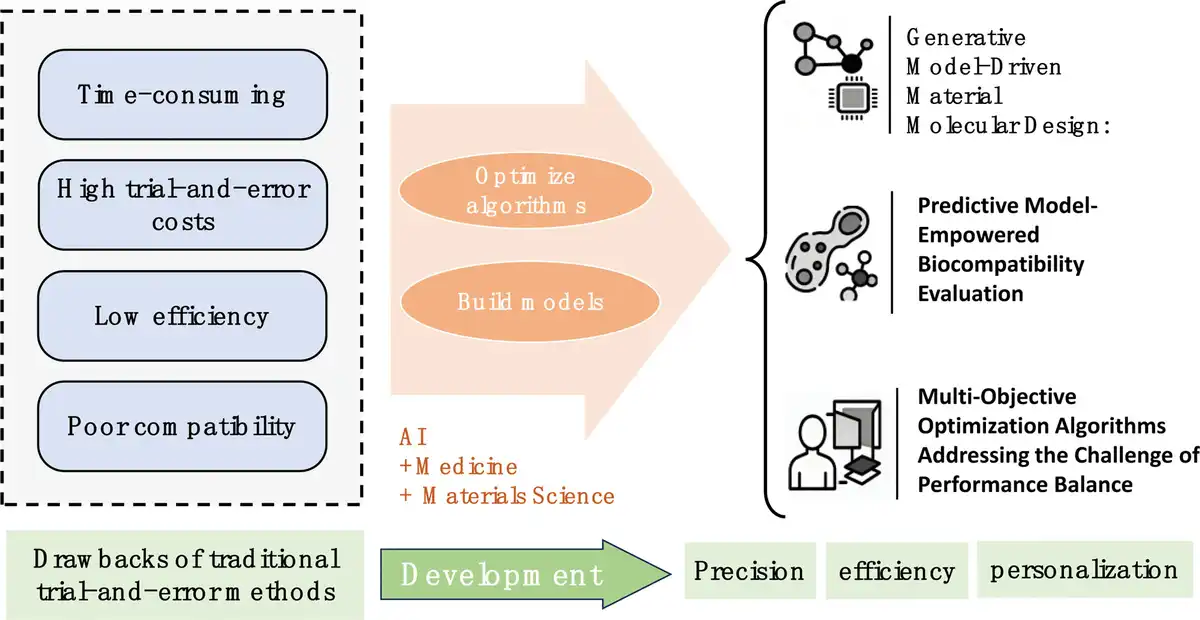
Artificial intelligence empowering innovative research and development in medical materials: prospects from model algorithm breakthroughs to precision transformation
Traditional medical material development relies on trial-and-error experimentation and lengthy clinical trials, resulting in prolonged cycles, high costs, and limited success rates. This model not only severely hampers research and development efficiency but also struggles to rapidly address the urgent demand for new materials in the medical field. Artificial intelligence (AI) technology, by integrating multimodal data with advanced algorithms, is breaking through this bottleneck. This paper systematically reviews the application progress of AI across the entire medical material development chain, focusing on 3 core scenarios: “AI-driven molecular material design,” “biocompatibility prediction,” and “personalized material customization.” Through comparative analysis of differences in technical approaches and methodological frameworks among global research groups, it deeply elucidates the key challenges currently facing the field and offers forward-looking perspectives. “biocompatibility prediction,” and “personalized material customization.” By comparing and analyzing differences in technical approaches and methodological frameworks among global research groups, it deeply elucidates key challenges in the field and prospectively outlines future directions for the convergence of AI and medical materials. This aims to provide a systematic framework for innovative development in medical materials.
Engineering immune microenvironments for organoid-on-a-chip systems
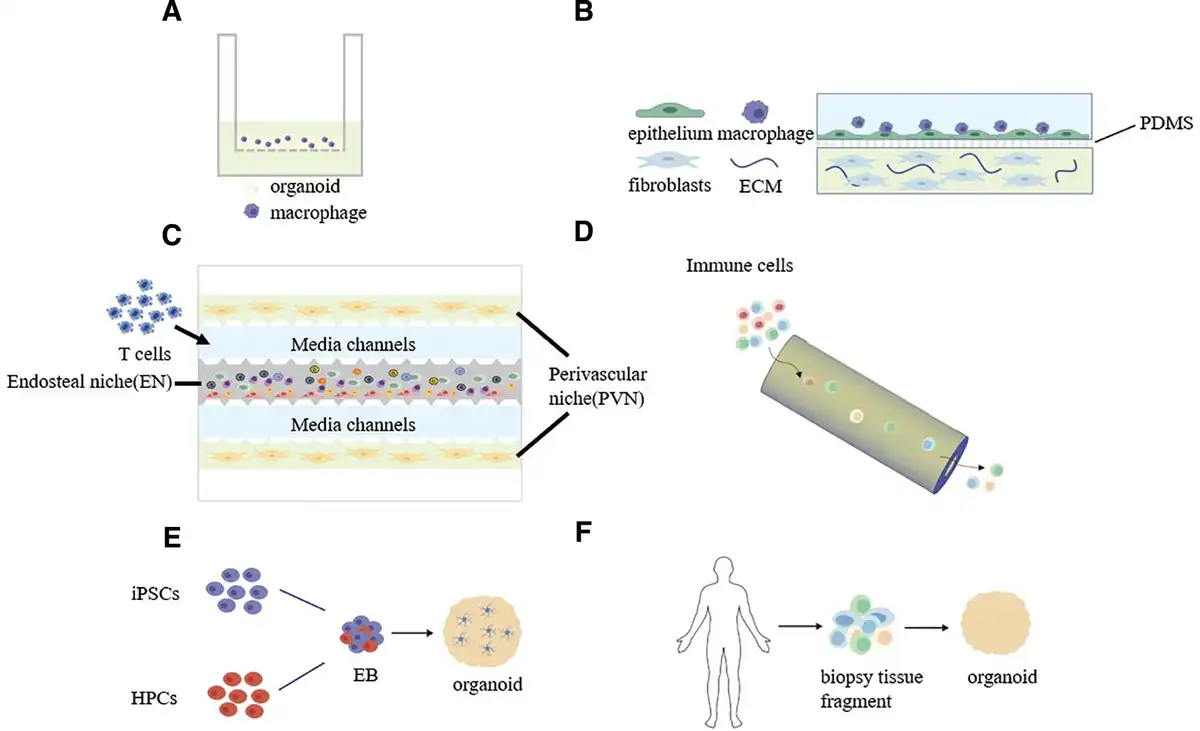
Organoid-on-a-chip technology synergizes the self-organizing capacity and cellular complexity of organoids with the precise microenvironmental control offered by organ-on-a-chip systems, significantly advancing the physiological relevance of in vitro models for studying development, disease, and drug responses. However, a critical bottleneck persists: the integration and maintenance of a functional immune microenvironment, which is essential for accurately modeling complex diseases (e.g., cancers, inflammatory disorders) and therapies (e.g., immunotherapies). While recent reviews have categorized immune organoid-on-a-chip progress by organ type, this review adopts a bioengineering-centric approach to deconstruct immune microenvironment construction. We systematically analyze key parameters—including immune cell integration strategies/sourcing, target cell interactions, immune cell motility patterns, and immune network complexity—across diverse model systems. Furthermore, we critically evaluate the transformative applications of these immune-competent models in drug toxicity screening, cell therapy interactions, and gene therapy efficacy assessment. Finally, we discuss persistent challenges and future directions for achieving truly predictive human immune-competent in vitro models. This synthesis provides a methodological framework for advancing the design and application of next-generation organoid-on-a-chip platforms.
Organic Photoactive Materials with Aggregation-Induced Emission Characteristics for Tumor Theranostics
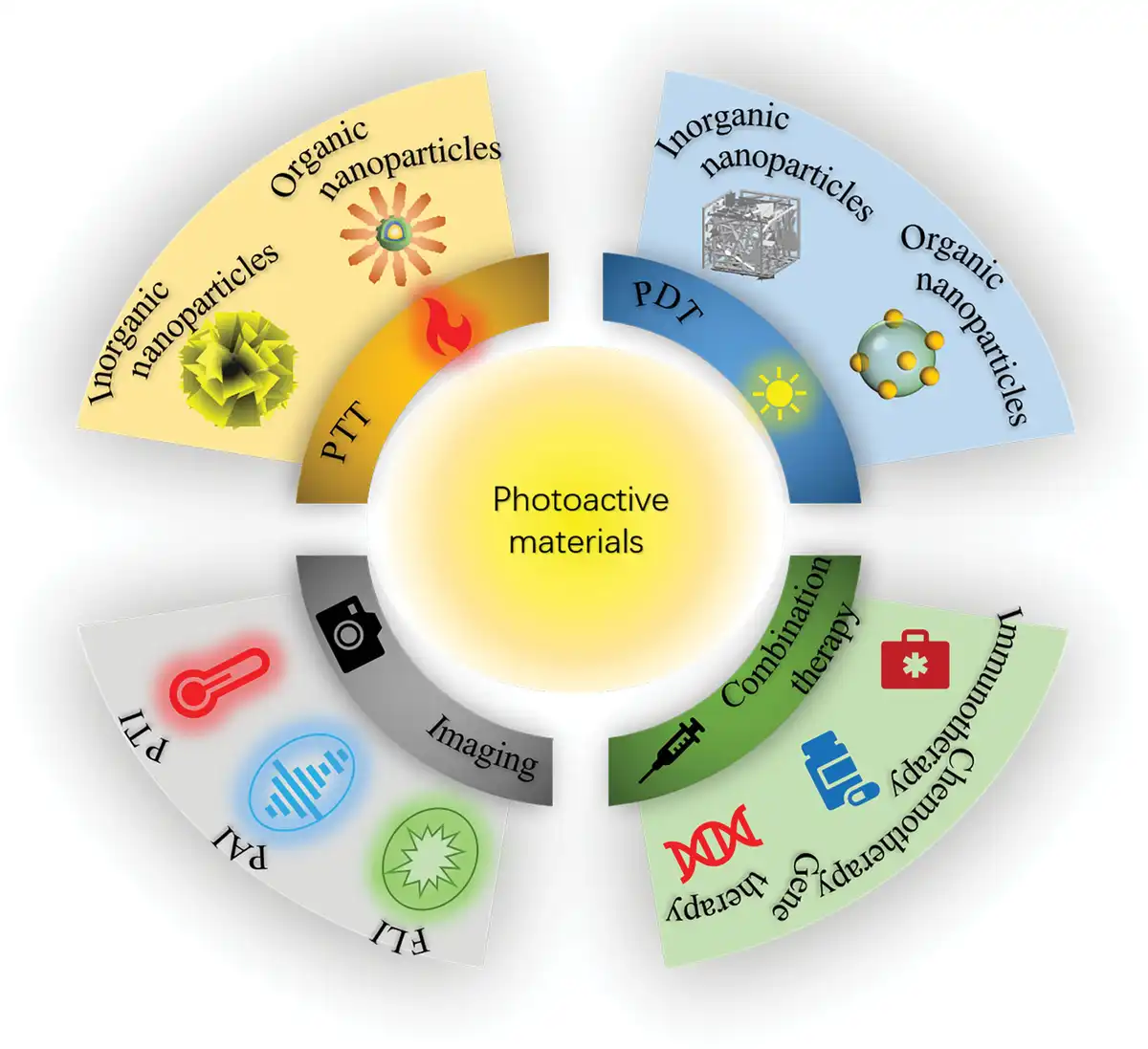
Organic photoactive materials exhibit considerable potential in enhancing the precision of tumor diagnostics and therapeutics, owing to their distinctive photophysical characteristics and adaptable functional properties. Among these, aggregation-induced emission (AIE) materials exhibit superior performance attributes, including aggregation-enhanced fluorescence, robust photostability, and reduced background interference, thereby significantly enhancing the sensitivity of tumor imaging and therapeutic outcomes. This review focuses on the recent advancements in the design and application of AIE-based organic photoactive materials for tumor diagnostics and therapeutics. We elaborate on innovative design strategies centered on specific targeted subcellular organelle localization, tumor microenvironment-triggered activation, tunable emission wavelengths, and the integration of photoimmunotherapeutic functionalities. Moreover, this article presents a forward-looking perspective on the future development landscape of this field, emphasizing the critical role of organic photoactive materials in enhancing tumor theranostics. It also provides strategic guidance to facilitate the clinical translation of photodiagnostic approaches.
Research Article
A two-stage nanoengineered microneedle platform for on-demand tumor-microenvironment-responsive therapy and enhanced wound healing against postoperative breast cancer recurrence
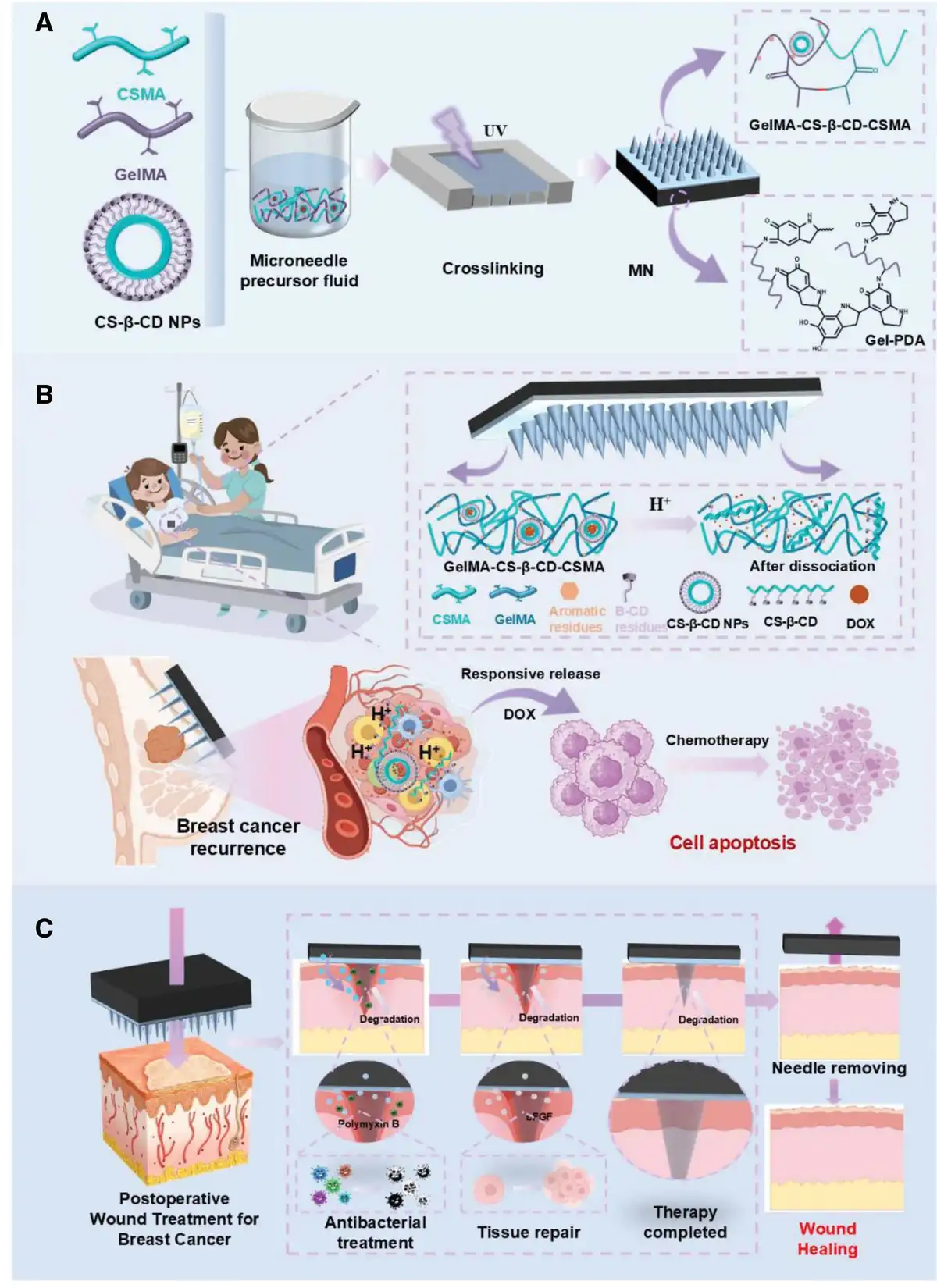
Postoperative metastatic recurrence and wound infection pose significant threats to survival after breast cancer (BC) surgery. To address these challenges, an ideal therapeutic strategy should incorporate minimally invasive multifunctional biomaterials capable of simultaneously preventing tumor recurrence and promoting wound healing. Herein, we report a novel 2-stage microneedle (MN) platform engineered via the integration of nanotechnology and tumor-microenvironment-responsive design. This system is fabricated using a stepwise casting strategy and features tip-to-base architecture equipped with on-demand smart nanocarriers for synergistic therapy against postoperative BC recurrence and wound complications. The MN consists of a photo-crosslinked hydrogel tip encapsulating chitosan-based self-assembled nanocarriers and a gelatin–polydopamine hydrogel backing layer. Owing to its hierarchical structural design, the MN exhibits excellent mechanical strength with a compression force of up to 4.48 N per needle, sufficient for efficient skin penetration. Moreover, the platform demonstrates sustained pH-responsive behavior and specific tumor microenvironment targeting, enabling controlled drug release. The MN also displays outstanding biocompatibility and multifunctional therapeutic properties, including antibacterial adhesion, self-healing capability, swelling performance, and biodegradability, greatly broadening its potential as a precision medicine tool. Both in vitro and in vivo studies validated the robust and integrated therapeutic efficacy of the MN system in suppressing metastatic BC recurrence and enhancing infected wound healing. This work provides a significant advance in the design of smart 2-stage MNs with comprehensive functionality for minimally invasive adjuvant therapy after BC surgery.
Biobased Ag nanowire films with high antibacterial activity for infected wound healing
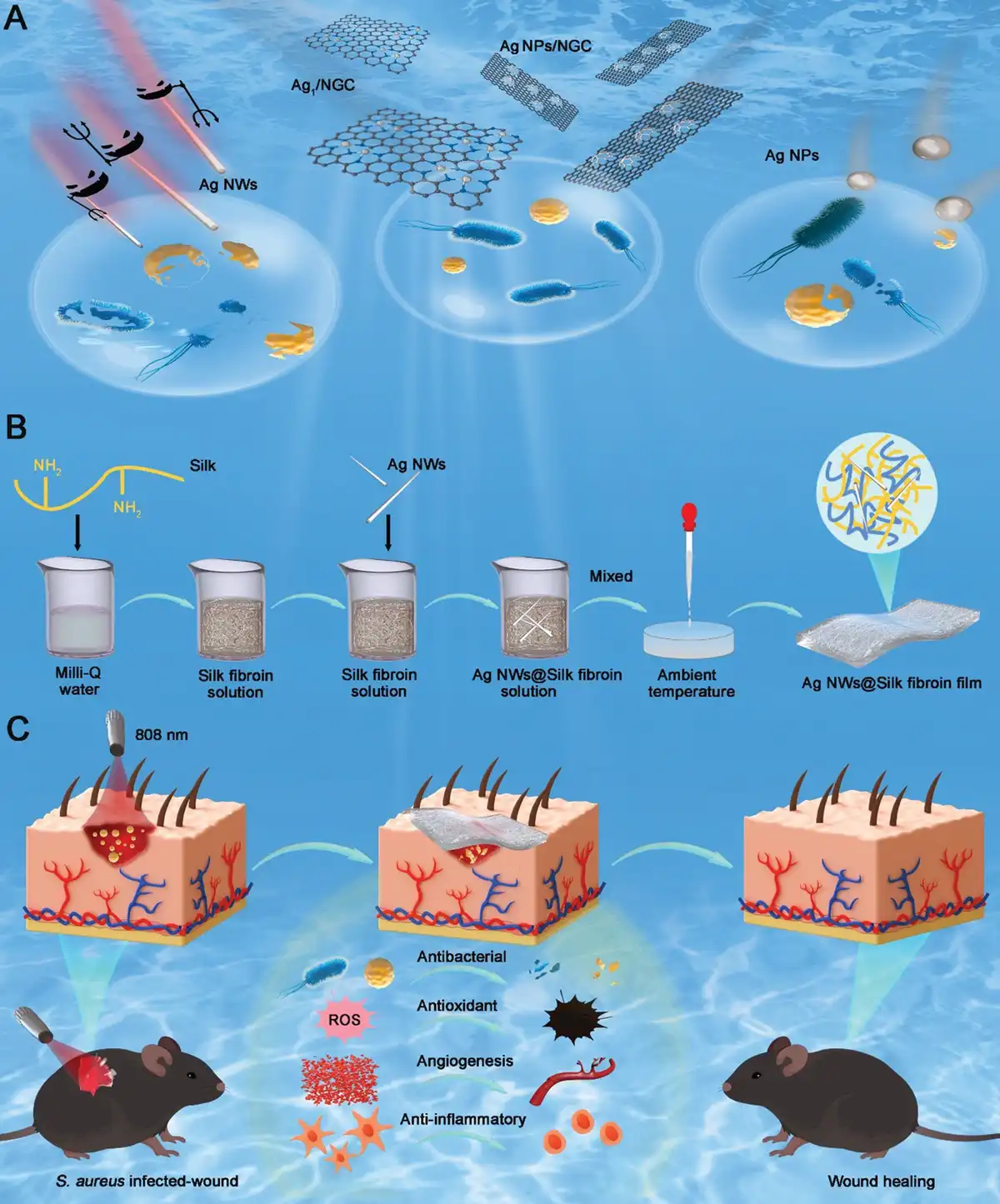
Wound infection remains a critical challenge in clinical practice, frequently leading to delayed healing and increased risks of complications. Herein, we first screened silver nanowires (Ag NWs) with excellent antibacterial, antioxidant, and cell migration-promoting properties from silver-based nanomaterials with distinct dimensional morphologies, including Ag nanowires (NWs), Ag nanoparticles (NPs), nitrogen-doped graphene (NGC) supported Ag nanoparticles (Ag NPs/NGC), and Ag single atoms (Ag1/NGC), as candidates for wound dressing applications. To further enhance therapeutic efficacy, we developed a composite film (Ag NWs@SF) by incorporating Ag NWs into silk fibroin (SF). Under near-infrared light, it generates localized heat to provide a synergistic antibacterial effect to accelerate wound healing. Interestingly, the robust electrical stimulation responsiveness of Ag NWs endows the film with the potential for real-time wound monitoring. This composite film demonstrates outstanding antibacterial activity against common wound pathogens, which maintains biocompatibility and fostering tissue regeneration. In vitro and in vivo studies reveal that the Ag NWs@SF membrane accelerates wound closure by stimulating cell migration, mitigating bacterial infection, and reducing inflammatory responses. These findings offer a novel approach for effective clinical wound management, potentially addressing the unmet clinical needs in infection combating and wound healing promoting.