Volume 2, Issue 4
Perspective
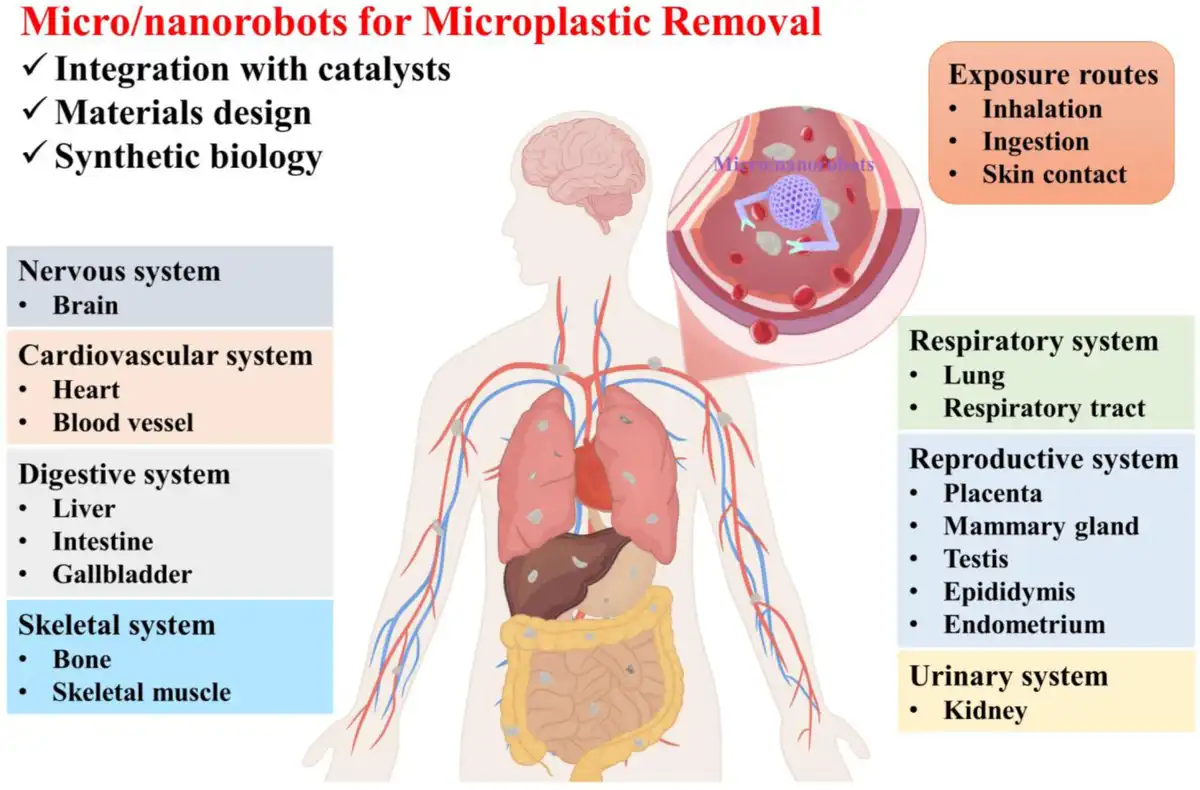
Micro/nanorobots for the removal of microplastics and nanoplastics from the human body
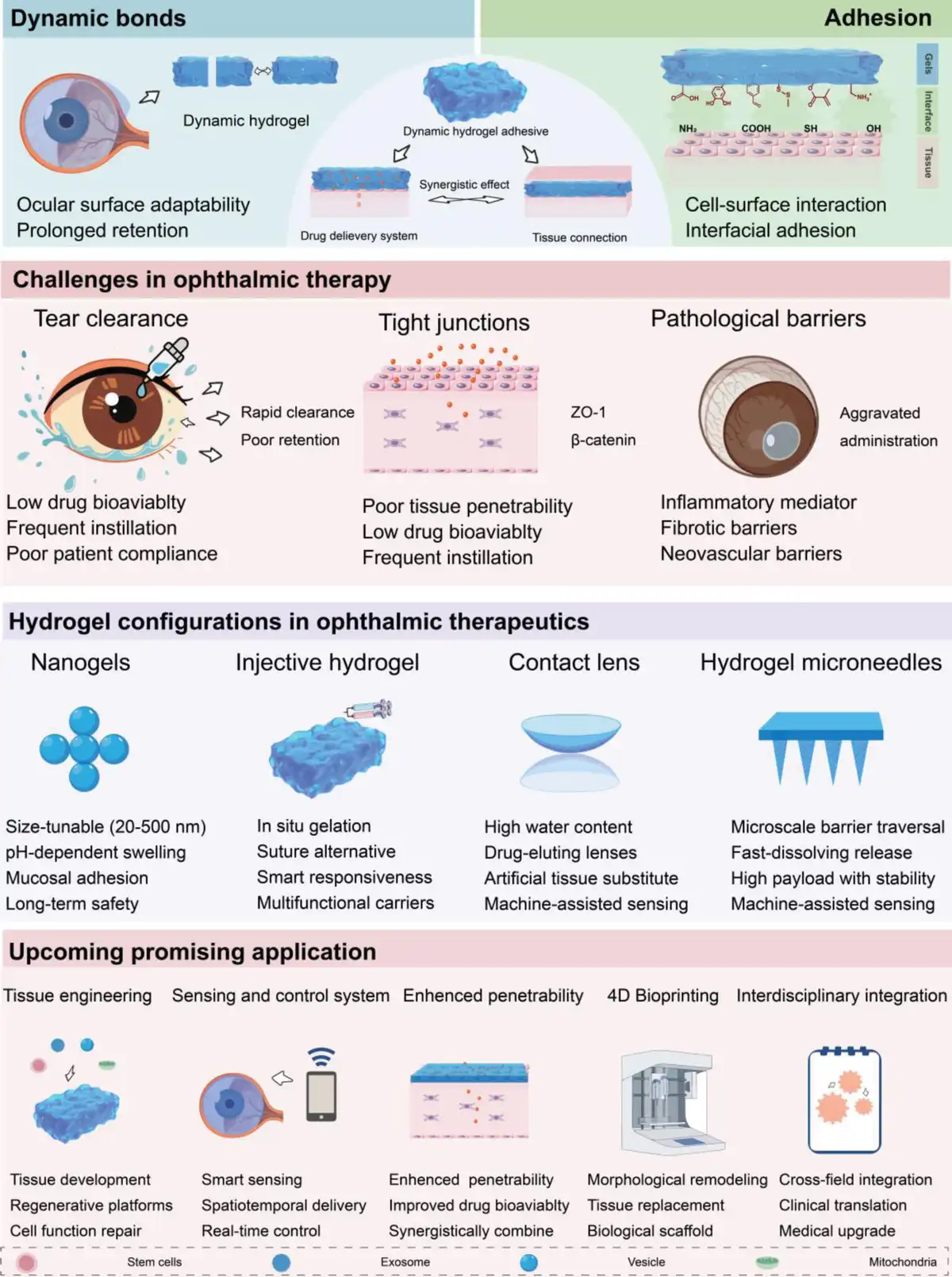
Dynamic bonds enabled hydrogel adhesives: advancing ophthalmic repair and regeneration
Review Article
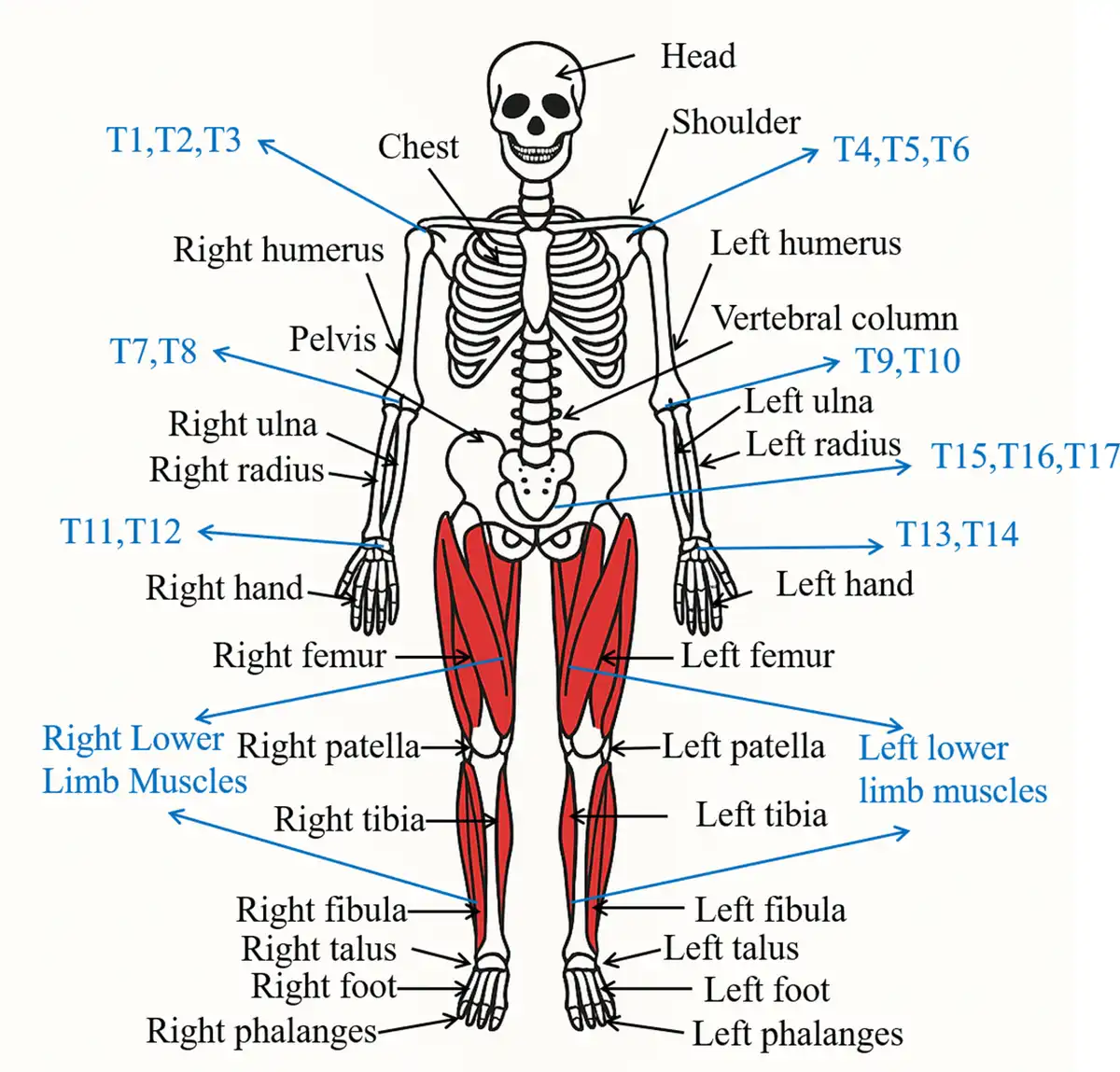
Advances in materials and actuation strategies for wearable medical robotics: optimization for biomedical applications
The human musculoskeletal system, refined over millions of years of evolution, enables highly adaptive and efficient movement. However, aging, neuromuscular disorders, and physical injuries can severely impair mobility, necessitating advanced assistive technologies. While conventional approaches such as surgery, rehabilitation training, and pharmacological treatments remain widely used, they are often costly, time-intensive, and associated with potential risks. Wearable robotics has emerged as a promising alternative, offering personalized movement assistance, rehabilitation support, and mobility augmentation. Early wearable robots, particularly rigid exoskeletons, demonstrated potential in assisting movement but were hindered by excessive weight, mechanical rigidity, and misalignment with natural biomechanics, limiting their practicality. Recent advancements in flexible wearable robotics, leveraging Bowden cable transmissions and thermoplastic polyurethane-based actuators, have sought to overcome these challenges. However, critical limitations—including low torque output, energy inefficiency, and challenges in actuator integration—remain significant barriers to widespread adoption. This review provides a comprehensive analysis of recent advancements in biomechanical modeling, flexible actuator technologies, and simulation-driven optimization methods for wearable medical robotics. It highlights the need for a unified theoretical framework to improve design efficiency, control adaptability, and real-time human–robot interaction. This review uniquely integrates biomechanical modeling with optimization strategies, offering a holistic approach to enhance wearable robotics for medical applications. Addressing these challenges could enable wearable robotics to evolve into highly efficient, intelligent, and seamlessly integrated assistive systems, transforming rehabilitation, industrial support, and human augmentation.
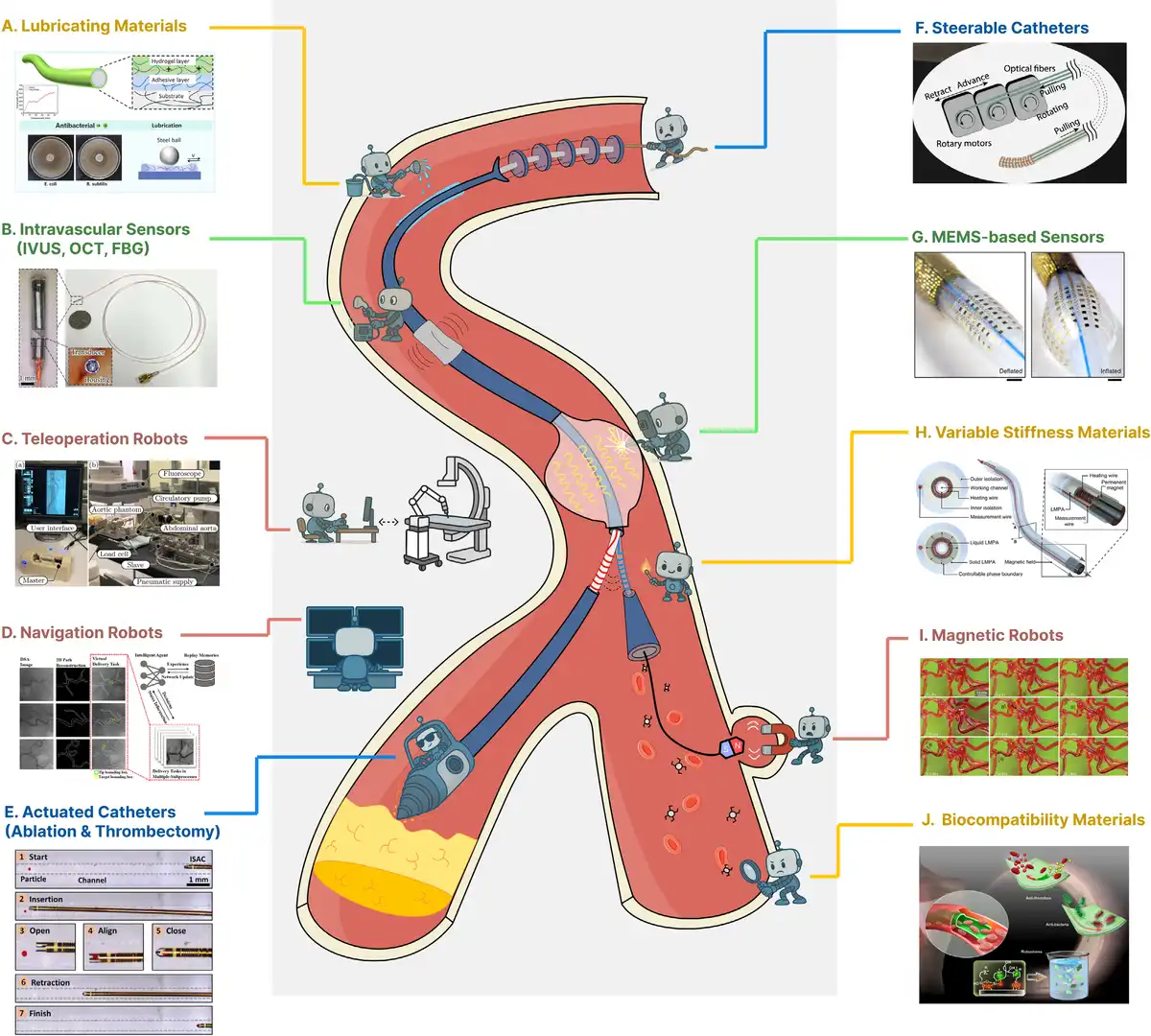
Functional advancements in intravascular catheters: materials, sensors, actuators, and robot integration
The intravascular catheter is undergoing a fundamental transformation from a passive conduit to an intelligent, multifunctional medical device. Recent advancements in catheter materials include biocompatible polymers, lubricious coatings, and variable stiffness architectures, which have significantly enhanced mechanical performance and compatibility within the vascular environment. In parallel, catheter sensing technologies have enabled real-time physiological and mechanical feedback, supporting precise diagnosis and targeted intervention, while actuated catheters with advanced motion control mechanisms have further improved maneuverability in complex vascular pathways. These advancements are further augmented by robot-assisted catheterization platforms, which enhance navigation accuracy, reduce radiation exposure, and facilitate complex procedures through diverse actuation and teleoperation. Previous research on intravascular catheters has largely focused on individual technical aspects in isolation, lacking a comprehensive perspective on material innovations, sensing capabilities, actuated mechanisms, and robotic systems. Therefore, this review systematically examines current intravascular catheter technologies, focusing on the integration of advanced catheter materials, embedded sensing capabilities, actuated catheter designs, and robotic systems. These innovations represent a significant advancement toward safer, more effective, and autonomous endovascular therapies.
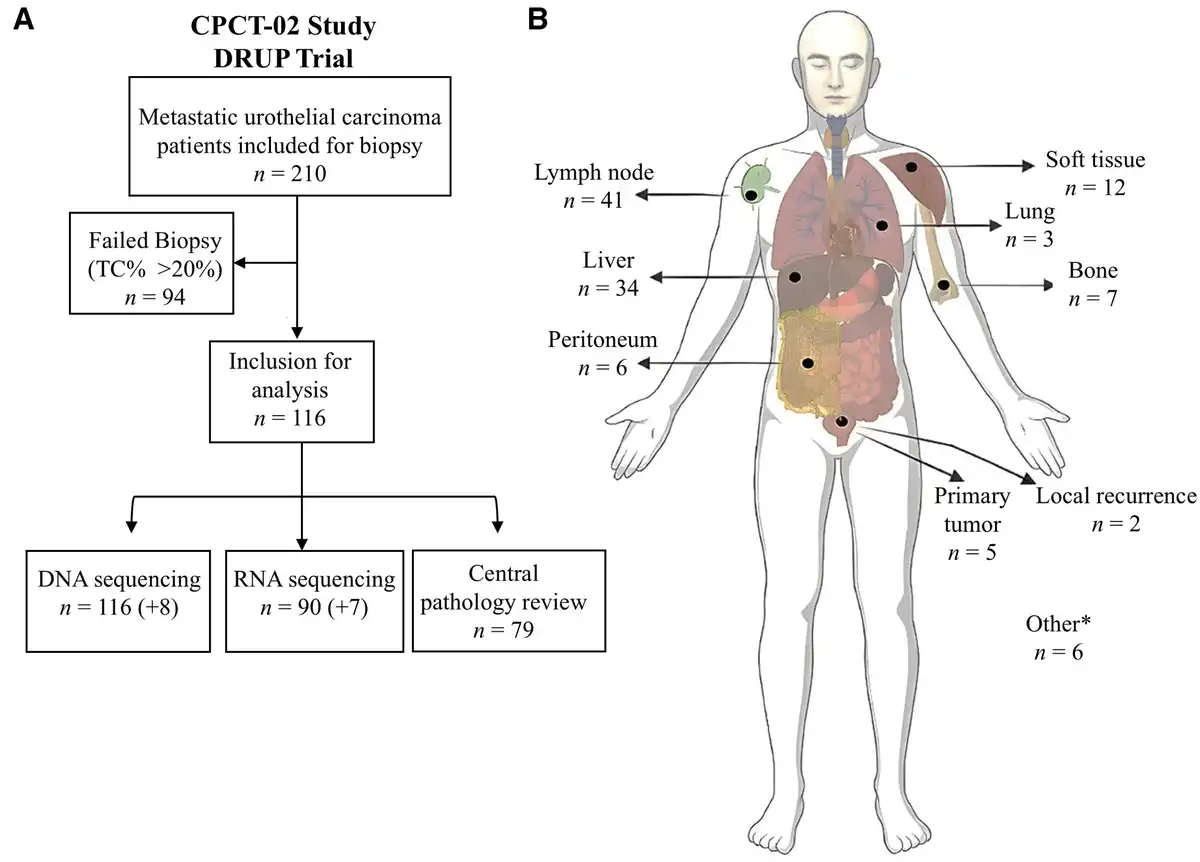
Shining light on immunotherapy in metastatic urothelial carcinoma: trends and prospects
Urothelial carcinoma (UC), particularly in its advanced and metastatic stages, poses major treatment challenges. Platinum-based chemotherapy remains the standard front-line treatment due to its superior initial disease control. However, its long-term efficacy has frequently hampered by chemoresistance. Immune checkpoint inhibitors (ICIs) have transformed the treatment of UC, offering durable responses, particularly in the metastatic urothelial carcinoma (mUC) setting. The strategic integration of ICIs, like avelumab in the first-line maintenance setting following chemotherapy, has significantly improved overall survival, representing a key shift in treatment sequencing. Concurrently, advancements in tumor molecular profile have enabled the development of novel targeted therapies for mUC, including fibroblast growth factor receptor inhibitors, Poly (ADP-ribose) polymerase (PARP) inhibitors, anti-HER2 agents, and antibody–drug conjugates specifically targeting Nectin-4. Furthermore, numerous ongoing clinical trials are actively exploring additional molecular targets and pathways to further enhance treatment options for mUC. This review outlines the evolving therapeutic landscape of mUC, emphasizing the limitations of ICI monotherapy, the promise of maintenance strategies, and the emergence of rational combination regimens for improved patient outcomes. Advances in biomarker-guided approaches, including circulating tumor DNA, tumor mutational burden, and ligand programmed death-1 expression, along with emerging biomarkers, such as T-effector gene signatures, ApolipoproteinB mRNA editing enzyme catalytic (APOBEC) mutagenesis patterns, and tumor microenvironment, are also discussed as essential tools for optimizing personalized treatment in the era of precision immunotherapy.