
Volume 2, Issue 2
Perspective
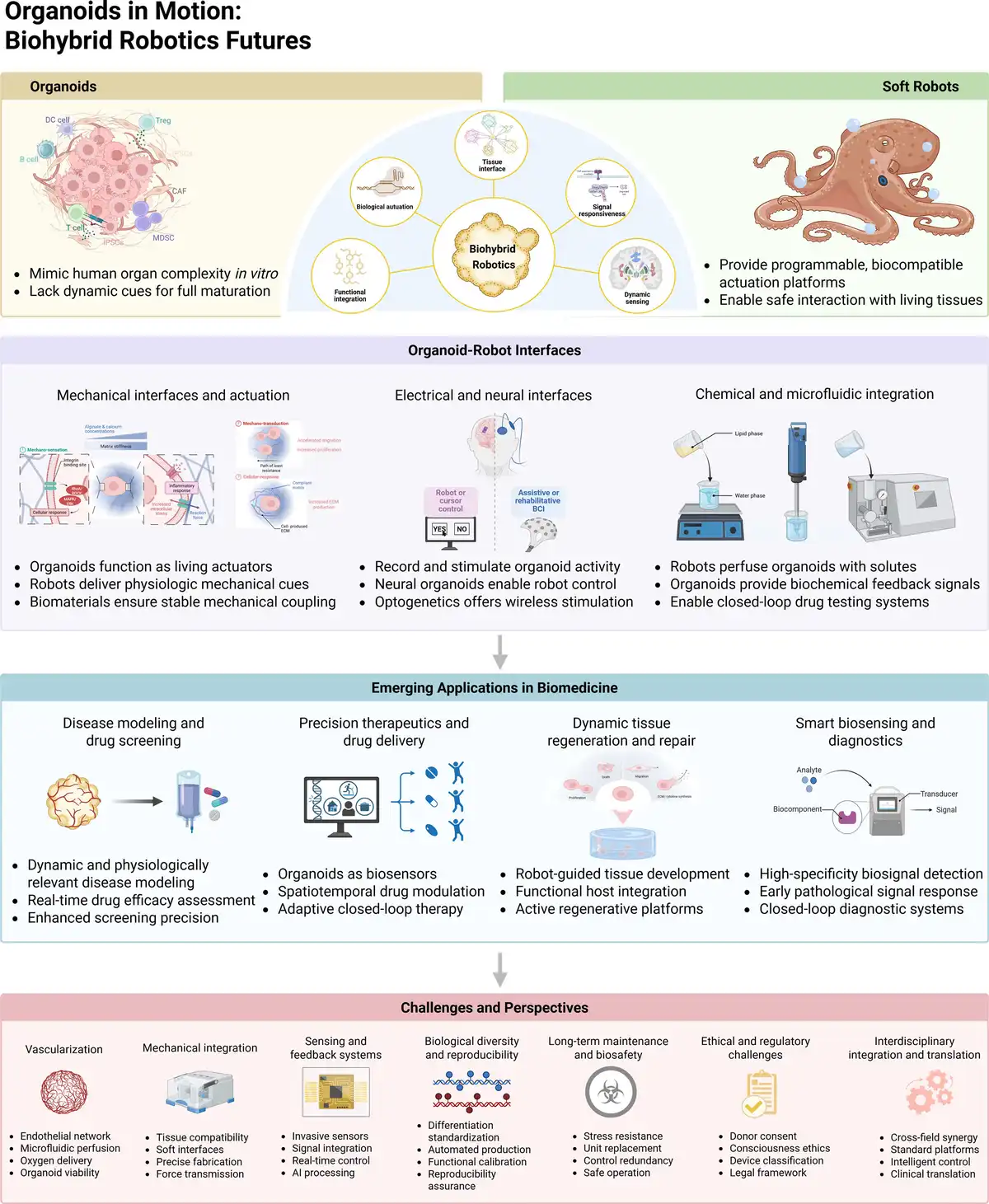
Organoids in motion: biohybrid robotics futures
Review Article
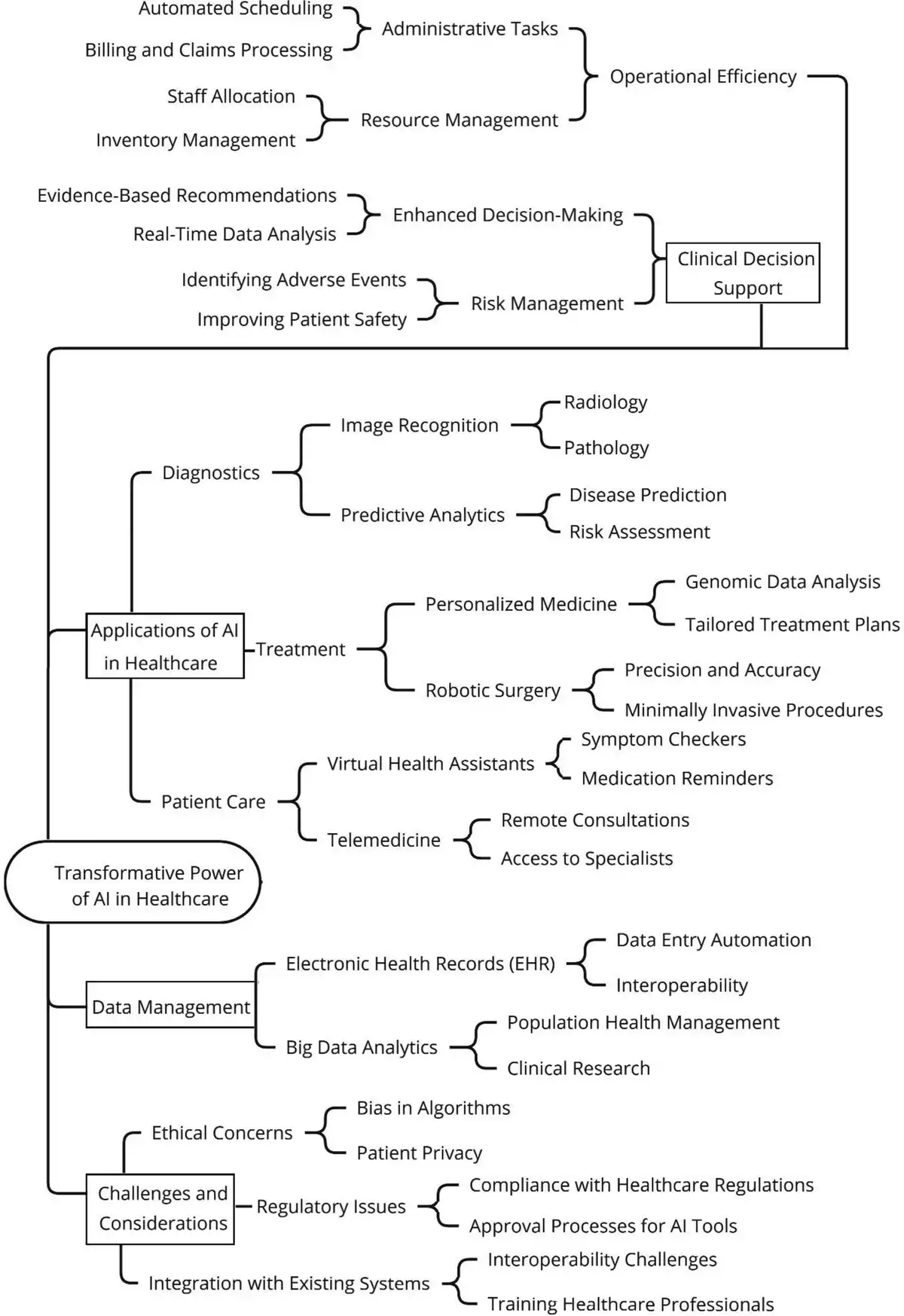
The ethical implications of emerging artificial intelligence technologies in healthcare
Artificial intelligence (AI) technologies offer unprecedented opportunities for accurate diagnosis, personalized treatment, and improved patient care. However, as AI takes center stage in healthcare, it brings with it a host of ethical implications that demand our careful consideration. In the ever-evolving landscape of healthcare, the integration of AI has introduced transformative changes, offering unprecedented opportunities for accurate diagnosis, personalized treatment, and improved patient care. However, alongside these advancements come significant ethical concerns that demand careful scrutiny. This article explores the ethical dilemmas arising from AI’s increasing role in healthcare, focusing on key challenges such as patient data privacy and security, algorithmic bias, transparency and accountability, and the evolving balance between human and machine decision-making. To provide a comprehensive analysis, we structure our discussion into distinct sections. First, we highlight the benefits of AI in healthcare, emphasizing its role in diagnostics, treatment planning, and resource optimization. We then examine ethical challenges through real-world case studies, showcasing instances where AI has both excelled and encountered ethical pitfalls. Building on this foundation, we investigate the broader societal implications, including AI’s impact on patient trust and the necessity of robust policies and regulations. Finally, we issue a call for responsible AI development, presenting actionable recommendations and guidelines to ensure that AI-driven healthcare aligns with ethical standards and patient-centered values. This article invites researchers, policymakers, and healthcare professionals to engage in the ongoing discourse on the ethical integration of AI, advocating for a future where technology enhances healthcare while upholding the highest ethical principles. AI technologies revolutionize diagnosis, treatment, and patient care. However, their integration presents ethical challenges requiring careful scrutiny.
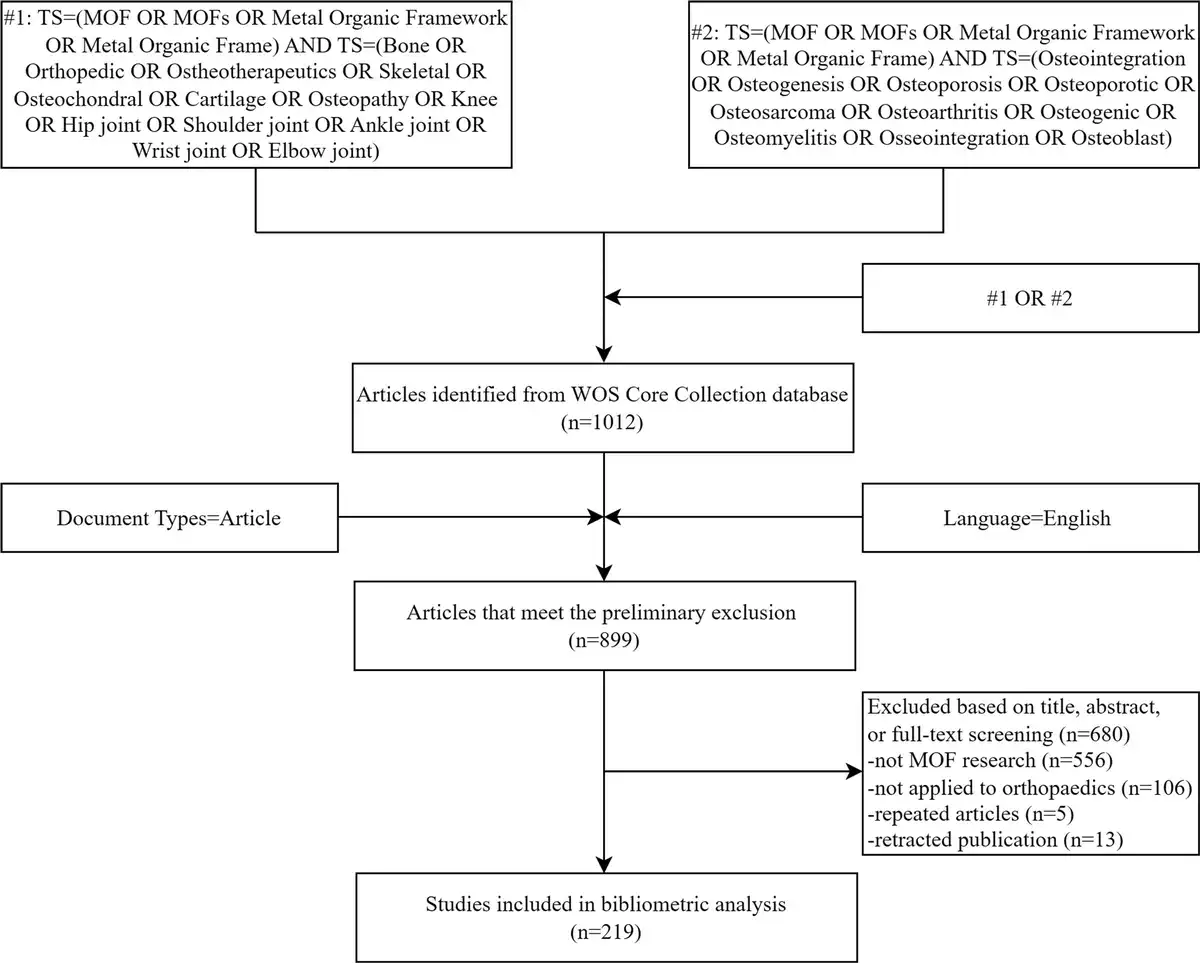
Mapping the landscape of metal-organic frameworks in orthopedics: a review
This study presents the first bibliometric analysis of metal-organic frameworks (MOF) in orthopedics, highlighting key research trends and investigative focuses. An exhaustive review of 219 records from the Web of Science core collection database provided insights into the development and potential uses of MOF in orthopedic interventions and bone tissue engineering. Known for their unique architecture, large surface areas, and adjustable porosity, MOF have shown promise in a variety of biomedical applications, including drug delivery, bone restoration, and as components in orthopedic implants. This investigation identifies prominent MOF series and summarizes their main functions in orthopedic settings. In vivo studies have confirmed the versatility and effectiveness of MOF in promoting bone regeneration, combating infections, targeting bone tumors, and reducing osteoporosis. However, challenges persist in translating MOF research into clinical orthopedic applications, particularly in ensuring biocompatibility and stability in the human body and uniformity of MOF composites. Future directions include expanding MOF applications through global collaboration and interdisciplinary efforts to accelerate their integration into clinical orthopedics. This research emphasizes the substantial potential of MOF to transform orthopedic treatments, advocating for further investigation and collaboration to fully exploit their clinical capabilities.
Research Article
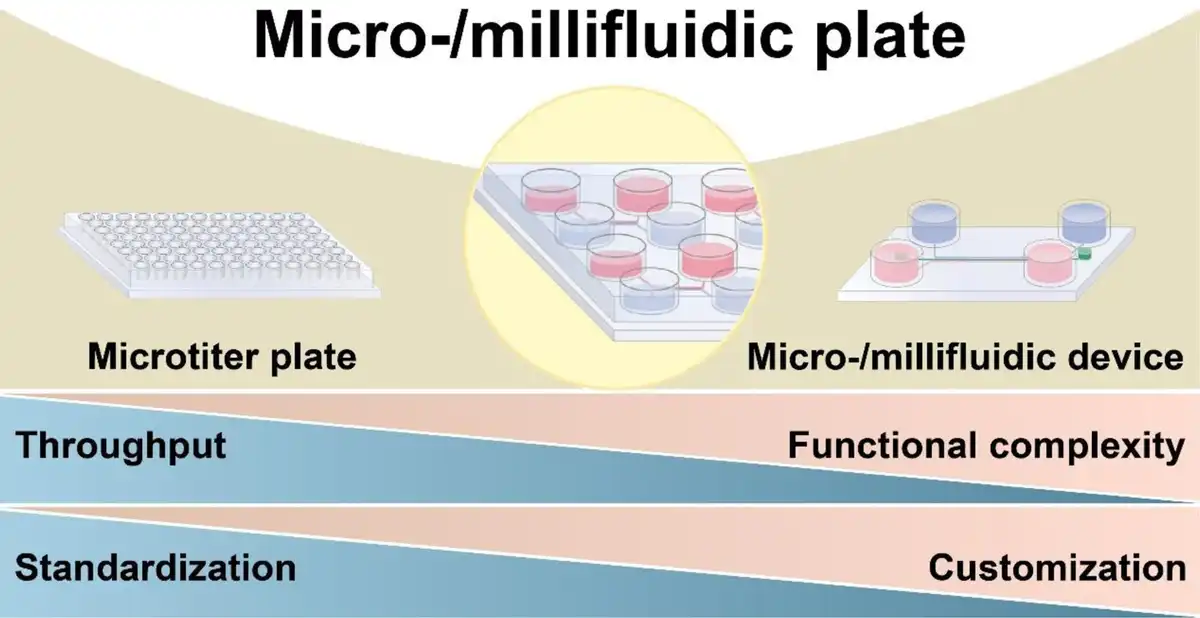
Compelling standardized and high-throughput micro-/millifluidic plates for biomedical research: from laboratory to market
Microfluidics has demonstrated significant potential for advancing biomedical research. However, the widespread adoption of current microfluidic devices within the biomedical community is hindered by 2 major challenges: standardization and throughput. To address these issues, emerging micro-/millifluidic plates based on microtiter plate format have been proposed. On the one hand, the established standards for microtiter plates facilitate clear communication between microfluidic engineers and end-users, enabling untrained users to manipulate micro-/millifluidic plates directly without the need to be proficient in understanding the mechanisms behind the platform. On the other hand, micro-/millifluidic plates inherit the high-throughput capabilities of microtiter plates, enhancing their utility in applications such as organ-on-a-chip and point-of-care testing. This review is intended to provide a timely and insightful overview of micro-/millifluidic plates, covering their design strategies, liquid-driven systems, applications, and commercialization status. Additionally, the review discusses the challenges facing micro-/millifluidic plates and highlights emerging positive trends in this field. We believe that our unique perspective on micro-/millifluidic plates can facilitate innovation and accelerate academic transformation by appealing to the microfluidic community to establish a consistent chip development plan to match end-user expectations in the biomedical field.