
Volume 1, Issue 2
Perspective
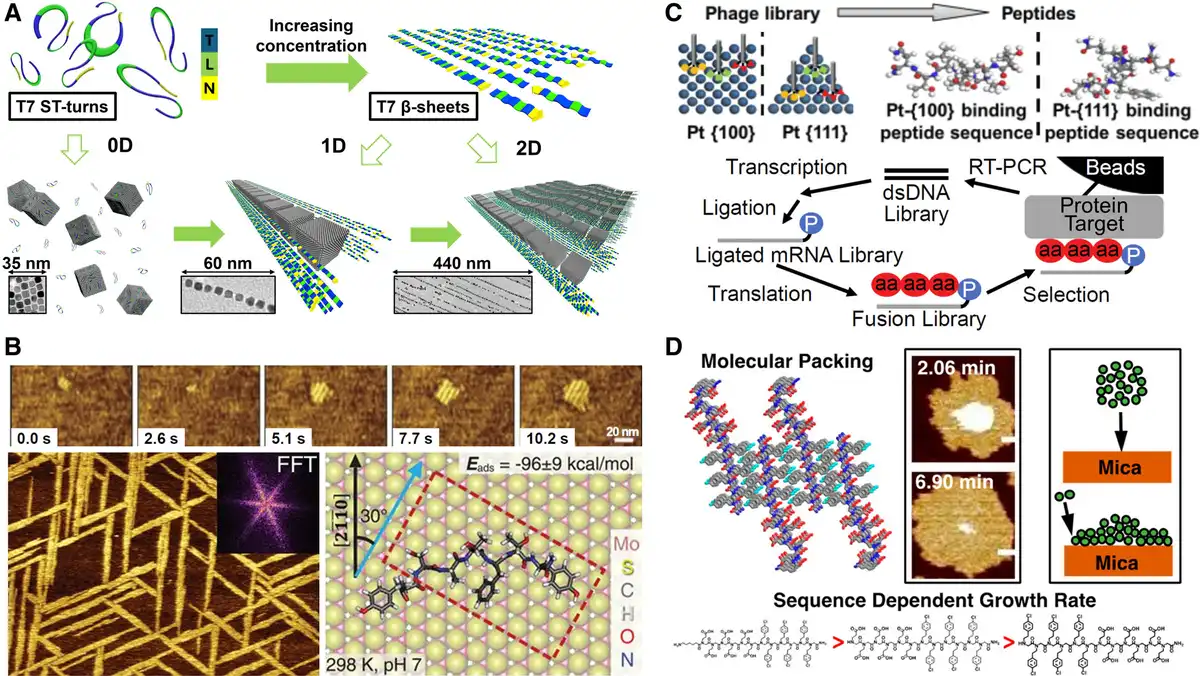
Peptide–nanomaterial interactions: a key to controlled hierarchical morphology and assembly
Review Article
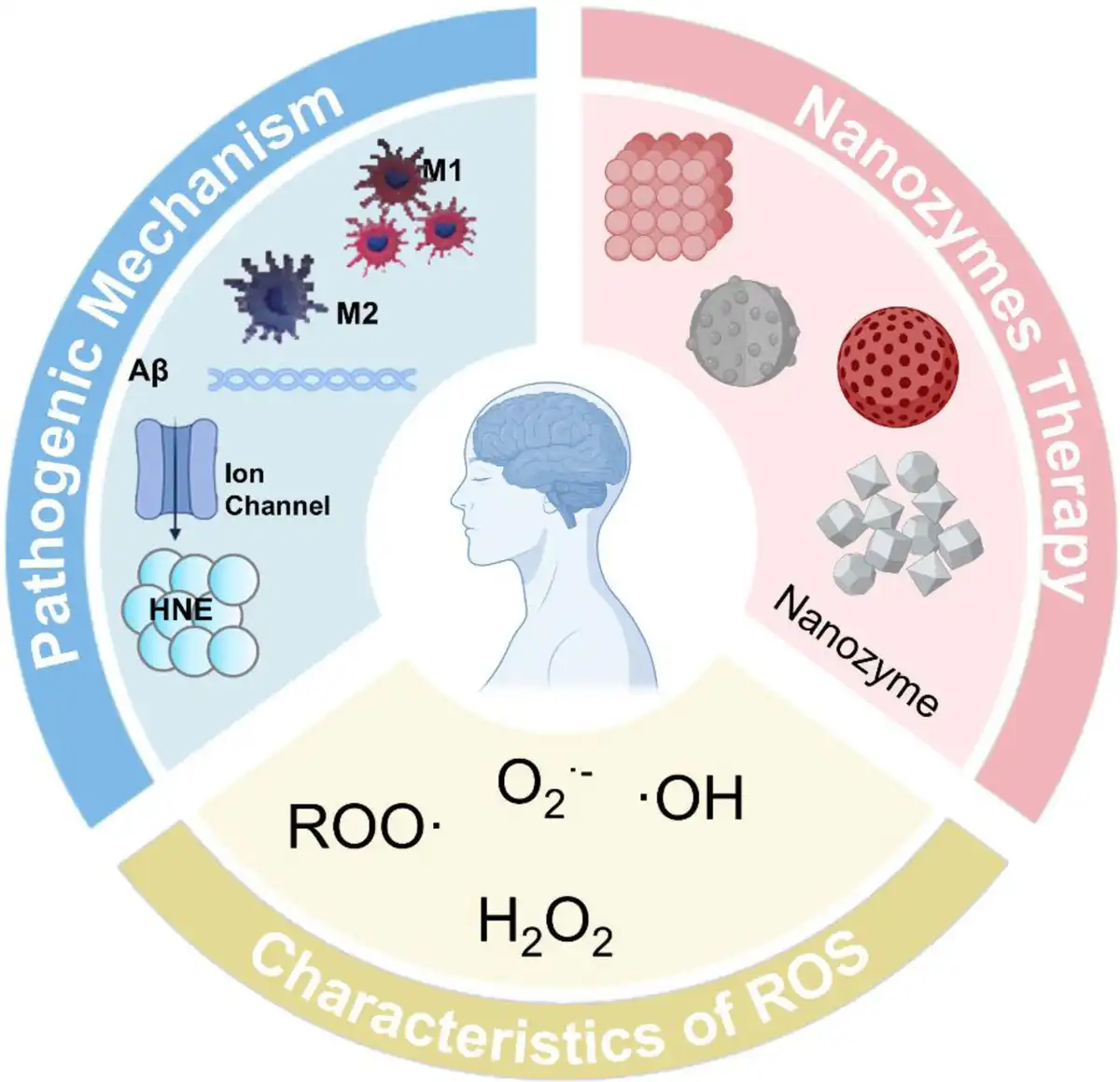
Reactive oxygen species and neurodegenerative diseases: insights into nanozyme therapeutics
Oxidative stress plays a critical role in the onset and progression of neurodegenerative diseases. Traditional methods for regulating oxidative stress using drugs or enzyme molecules often face limitations in efficacy, potential side effects, and the ability to fully meet clinical needs. The emergence of nanozymes offers a novel approach to overcome these challenges and explore therapeutic mechanisms. Focusing on the interaction between reactive oxygen species (ROS) and the nervous system, this article reviews the latest advancements in the use of nanozymes for treating neurodegenerative diseases. First, the mechanism of ROS interaction with neurons and glial cells in the complex nervous network is summarized by analyzing the characteristics of ROS. Second, the application examples and mechanism exploration of different types of ROS-related nanozymes in many neurodegenerative diseases are introduced and summarized. Additionally, the current situation and future prospects of nanozymes combined with advanced technologies such as in vitro detection and artificial intelligence for disease treatment are further discussed. This approach is poised to significantly advance the development of therapies for neurodegenerative diseases.
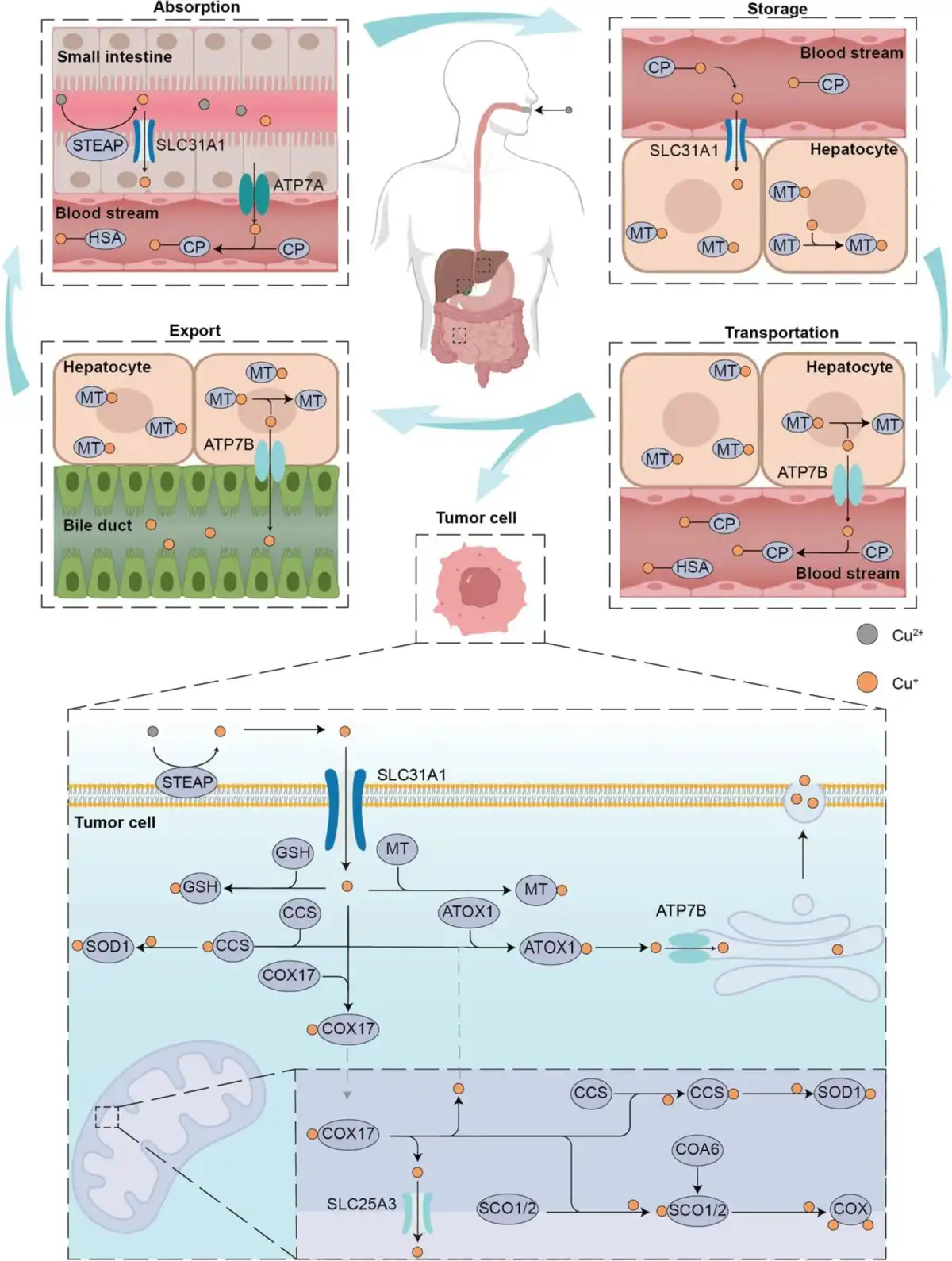
Cuproptosis: an emerging domain for copper-based nanomaterials mediated cancer therapy
Cuproptosis, a newly discovered copper-dependent mode of cell death, has received extensive attention in the field of cancer therapy due to its specific activation pathway. Rapid accumulation of large amounts of copper ions within the cancer cells to achieve copper overload is the key to activating cuproptosis. Advanced nanotechnology offers considerable promise for delivering ions to cancer cells, in which copper-based nanomaterials have been proposed to evoke cuproptosis-mediated cancer therapy. However, it is still a great challenge to induce copper overload specifically in tumors and efficiently activate subsequent cuproptosis-related molecular pathways. Therefore, it is necessary to summarize the strategies used to effectively activate or amplify cuproptosis based on currently developed copper-based nanomaterials, providing ideas for the design of nanomaterials in the future. In this review, copper-based nanomaterials that can be used to activate cuproptosis are systematically classified for nanomaterials selection. Subsequently, cuproptosis sensitization strategies using copper-based nanomaterials are provided to amplify the therapeutic efficiency. Meanwhile, cuproptosis-related combination therapies for maximizing treatment efficacy are delineated. Ultimately, the remaining challenges and feasible future directions in the use of cuproptosis for tumor therapy based on copper-based nanomaterials are also discussed.
Research Article
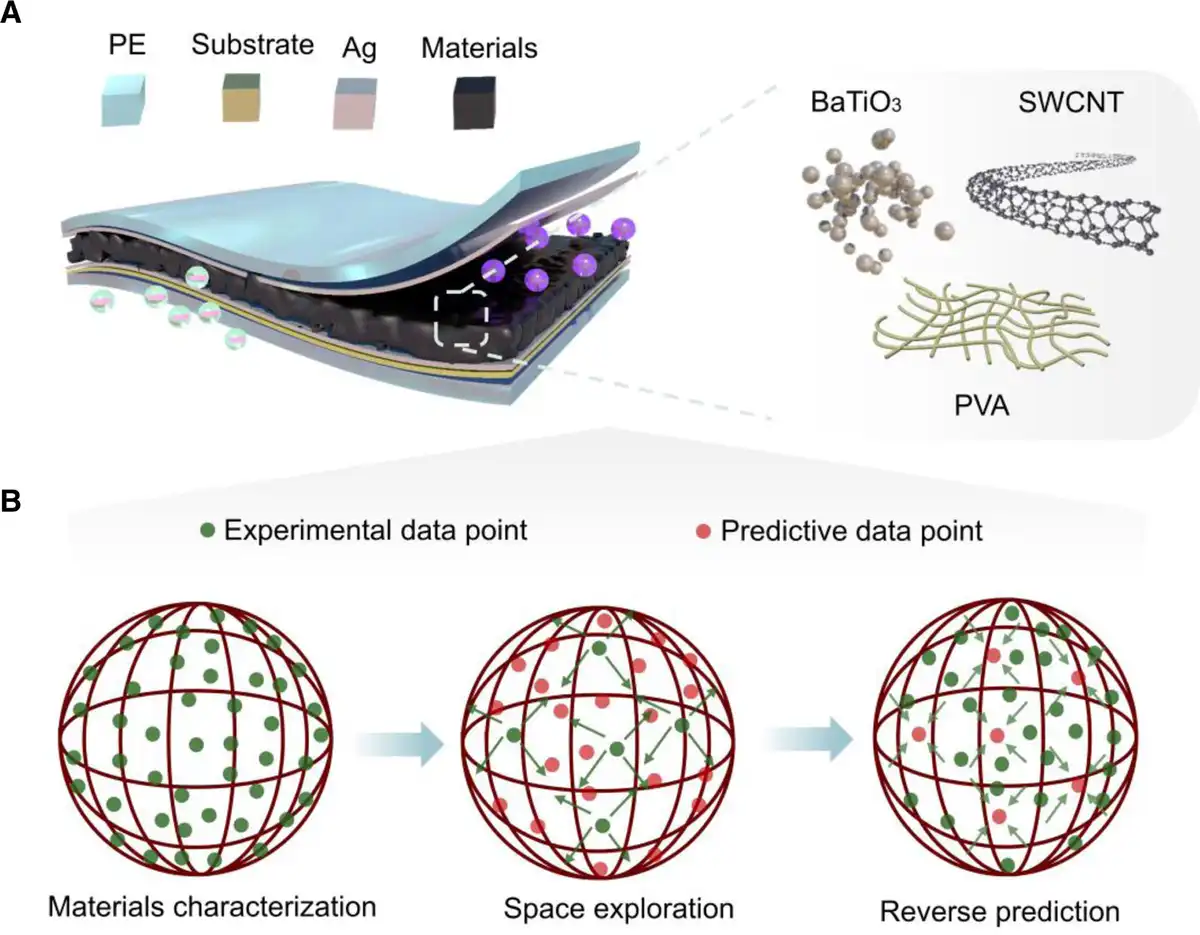
Active learning assisted piezoelectric materials synthesis on the basis of composite decision-making
The synthesis and development of novel materials for soft electronics, health monitoring, etc, have become a research hotspot. Traditional laboratory synthesis is significantly time and resource consuming. Machine learning therefore becomes an ideal approach for expediting the experimental process, constructing a virtual and automated closed-loop material synthesis, and evaluation approach. In this work, we combined piezoelectric materials’ synthesis with machine learning to achieve automatic design optimization. A total of 300 samples with different material recipes were used to train the initial active learning model. Thereafter, more samples were fabricated based on the recommended feasible recipes for each learning loop and then proceeded to the next round of learning. Through 10 active learning loops, 105 piezoelectric samples were stage-wise fabricated. Moreover, a reverse design model based on Bayesian optimization is demonstrated, and Spearman rank correlation coefficient and P values revealed the rules for the synthesis of piezoelectric materials. Finally, according to the setup model, we fabricate optimized piezoelectric materials and demonstrate their application in cycling monitoring. We anticipate this work establishes an essential approach to accelerate the development of new materials.
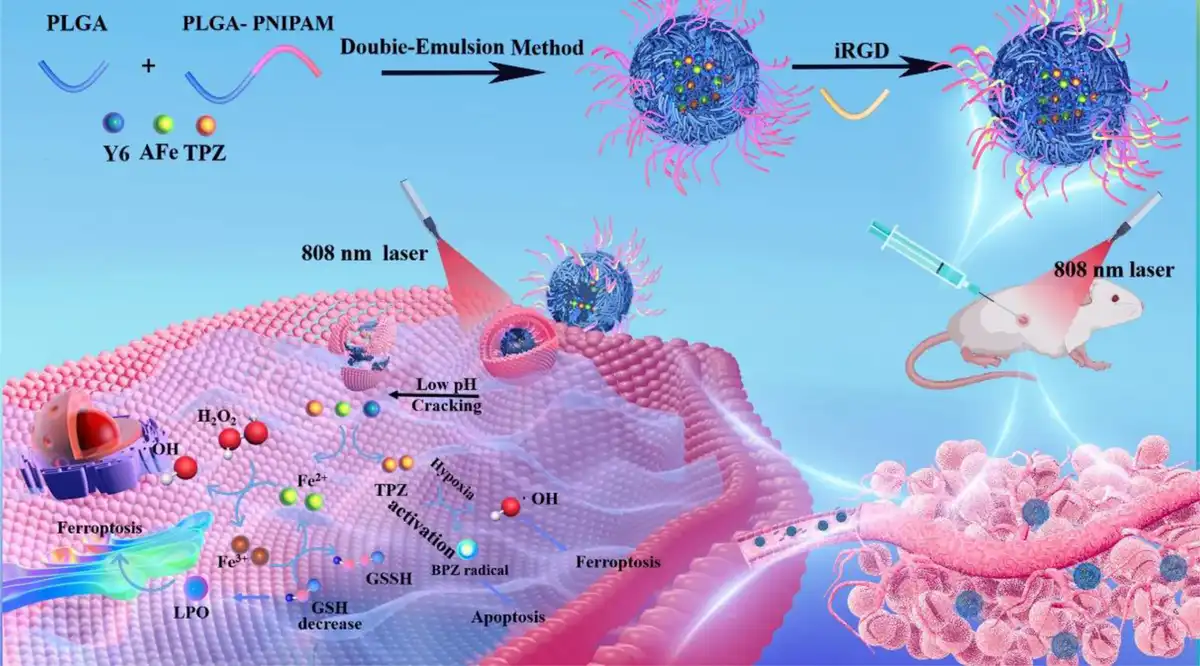
Adaptive dual-responsive nanocapsules for precision ferroptosis-driven and chemotherapy-enhanced tumor ablation
Tumors increasingly threaten human health, with rising incidence and mortality rates. Treatment complexity, including individual differences and tumor molecular characteristics, limits clinical application potential. Ferroptosis, a new strategy for tumor treatment, has stirred much interest. However, the dense properties and unique physiological environment of tumor tissues limit the ability of ferroptosis agents to work inside tumors. In this study, intelligent temperature and pH dual-responsive nanocapsules were designed for tumor therapy. The nanocapsules leverage the unique physiological environment of tumors, where both acidity and temperature can be exploited to trigger drug release. The core materials of the nanocapsules are a polylactic acid-glycolic acid copolymer and poly(N-isopropyl acrylamide), which ensure biocompatibility and responsiveness to the tumor microenvironment. These nanocapsules encapsulate amorphous iron nanoparticles as ferroptosis agents and tirapazamine as a chemotherapeutic drug, enabling a combination therapy approach. Once introduced into the tumor, the nanocapsules change size in response to the local acidic and thermal conditions, releasing their payload. This targeted approach enhances drug delivery efficiency, reduces toxicity to surrounding healthy tissues, and promotes ferroptosis in tumor cells. The study demonstrated the nanocapsules’ ability to inhibit tumor growth both in vitro and in vivo while maintaining excellent biocompatibility and biosafety, making it a promising candidate for advanced cancer therapies.