
Volume 2, Issue 1
Review Article
Engineering programmable nanobiomaterials (PNBMs) for cancer nanotherapy
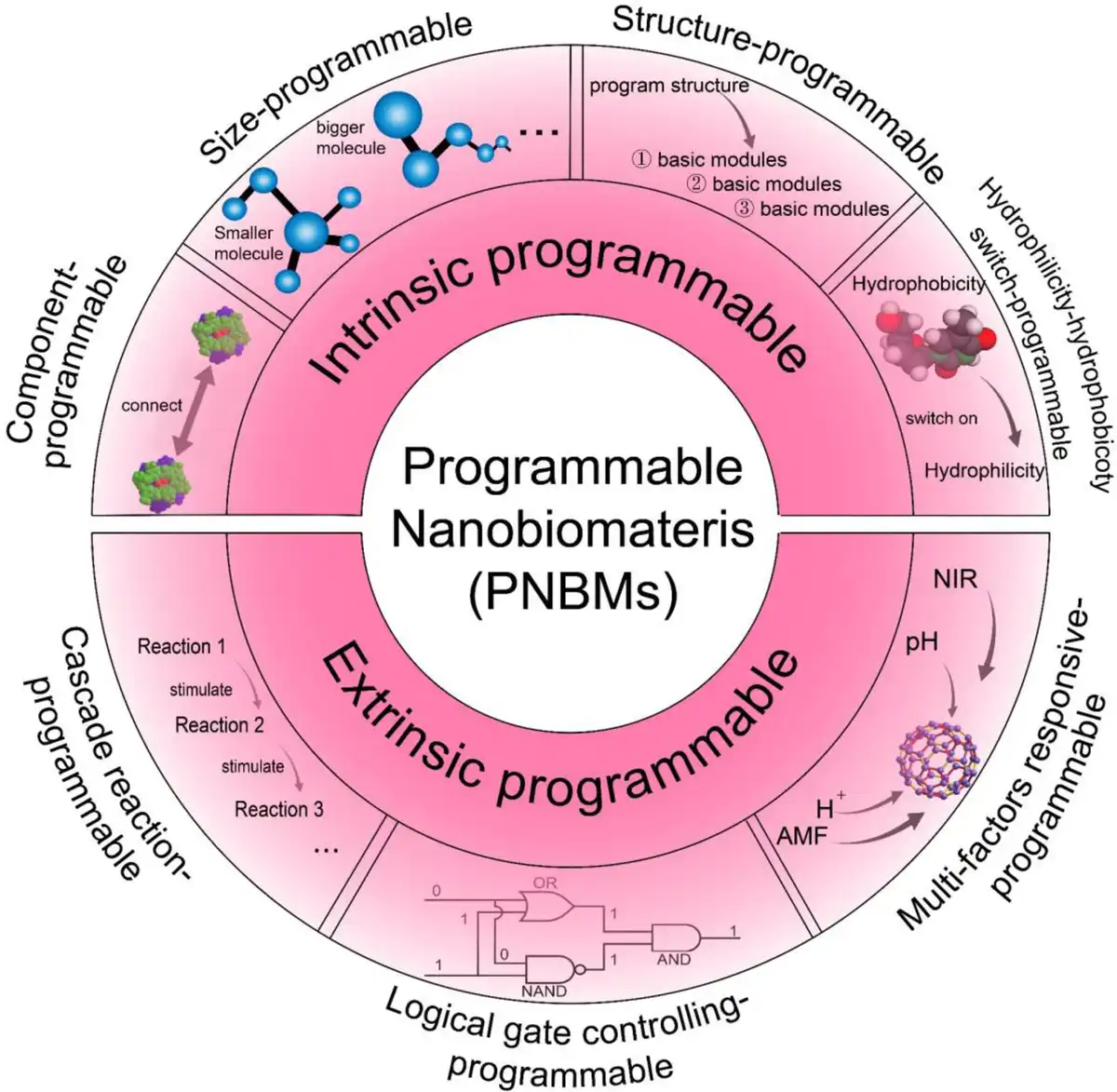
With the rapid progress of nanotechnology, the development of multifunctional nanobiomaterials (NBMs) has brought about innovative strategies and improvements in tumor nanotherapy, particularly in achieving precise control over the therapeutic process for higher therapeutic efficacy while minimizing side effects. Considering the heterogeneous nature of the tumor microenvironment, NBMs need to be carefully regulated in terms of timing, location, and dosage. This gives rise to the concept of “programming nanobiomaterials (PNBMs)” to deliver the appropriate dose of drugs at the optimal time and site in response to endogenous or exogenous stimuli, thereby facilitating accurate tumor clearance. The objective of this article is to summarize current advances and applications of PNBMs in tumor nanotherapy. Additionally, it aims to discuss the utilization of PNBMs in tumor precision therapy in terms of component programming, size programming, hydrophilicity programming, cascade response programming, logic gate control programming, and multifactor response programming. Furthermore, we prospect the PNBMs fusion design, matching complicated microenvironments, degradability and safety, and clinical application potential, all of which will serve as a reference for the design and development of novel and efficient PNBMs in cancer nanotherapy.
Precision synthesis strategies and emerging applications of bioorthogonal click chemistry in tissue engineering and regenerative medicine
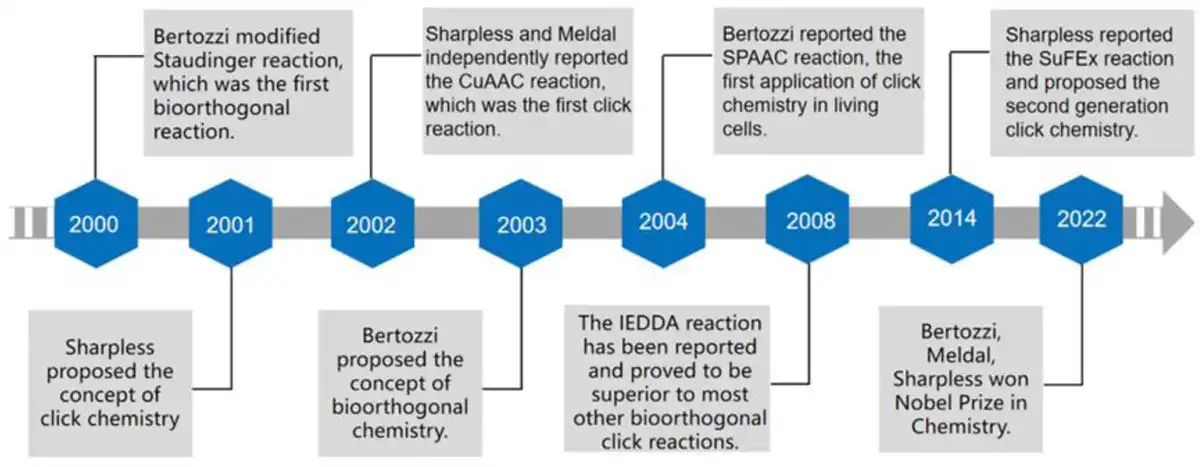
Bioorthogonal click chemistry is a reaction that covalently connects 2 components via clickable groups at room or body temperature, without side reactions or by-products. It solves the common problems of traditional organic chemistry, such as harsh reaction conditions, slow reaction rate, and extremely low yield. Importantly, the specificity between clickable groups does not affect other biochemical reactions in the life system during the reaction. Therefore, it not only makes the organic synthesis reaction more simple, accurate, and efficient but also successfully introduces it into organisms, enabling people to intervene and study a series of biological processes in the life system. Due to its unique advantages in the construction of biomaterials and the transformation of cells, bioorthogonal click chemistry plays an increasingly important role in the field of tissue engineering and regenerative medicine and has made considerable progress. Herein, we present the latest progress of bioorthogonal click chemistry in the synthesis and functionalization of biomaterials and the interaction between biomaterials and cells. In addition, we also introduced examples of the application of these strategies in the repair of bone, skin, nerve, and other tissue or organ damage and discussed the future development direction of these strategies as cross-linking tools in the field of tissue engineering and regenerative medicine.
Research Article
Benzothiazole derivatives in cancer treatment: synthesis and therapeutic potential: review
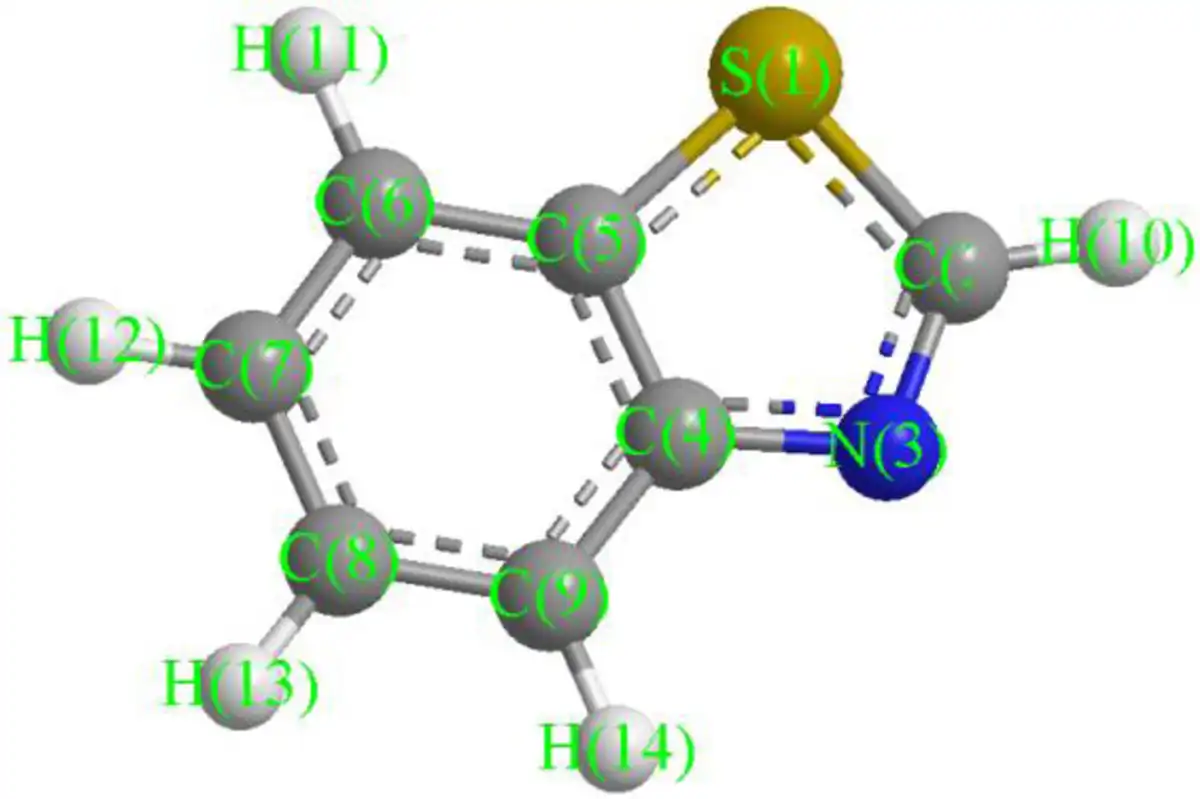
Benzothiazole derivatives have emerged as promising candidates in the field of cancer treatment due to their unique chemical properties and potent biological activities. This review comprehensively examines the synthetic methodologies employed in the development of benzothiazole derivatives and explores their mechanisms of anticancer action, including cell cycle arrest, apoptosis induction, and inhibition of angiogenesis and metastasis. Additionally, the review highlights recent preclinical and clinical studies that underscore the therapeutic potential of these compounds. By comparing benzothiazole derivatives with existing anticancer agents and discussing future research directions, this review aims to provide a detailed understanding of their role in cancer therapy and their potential for drug development.
Advancement of AI-assisted self-powered healthcare sensing systems
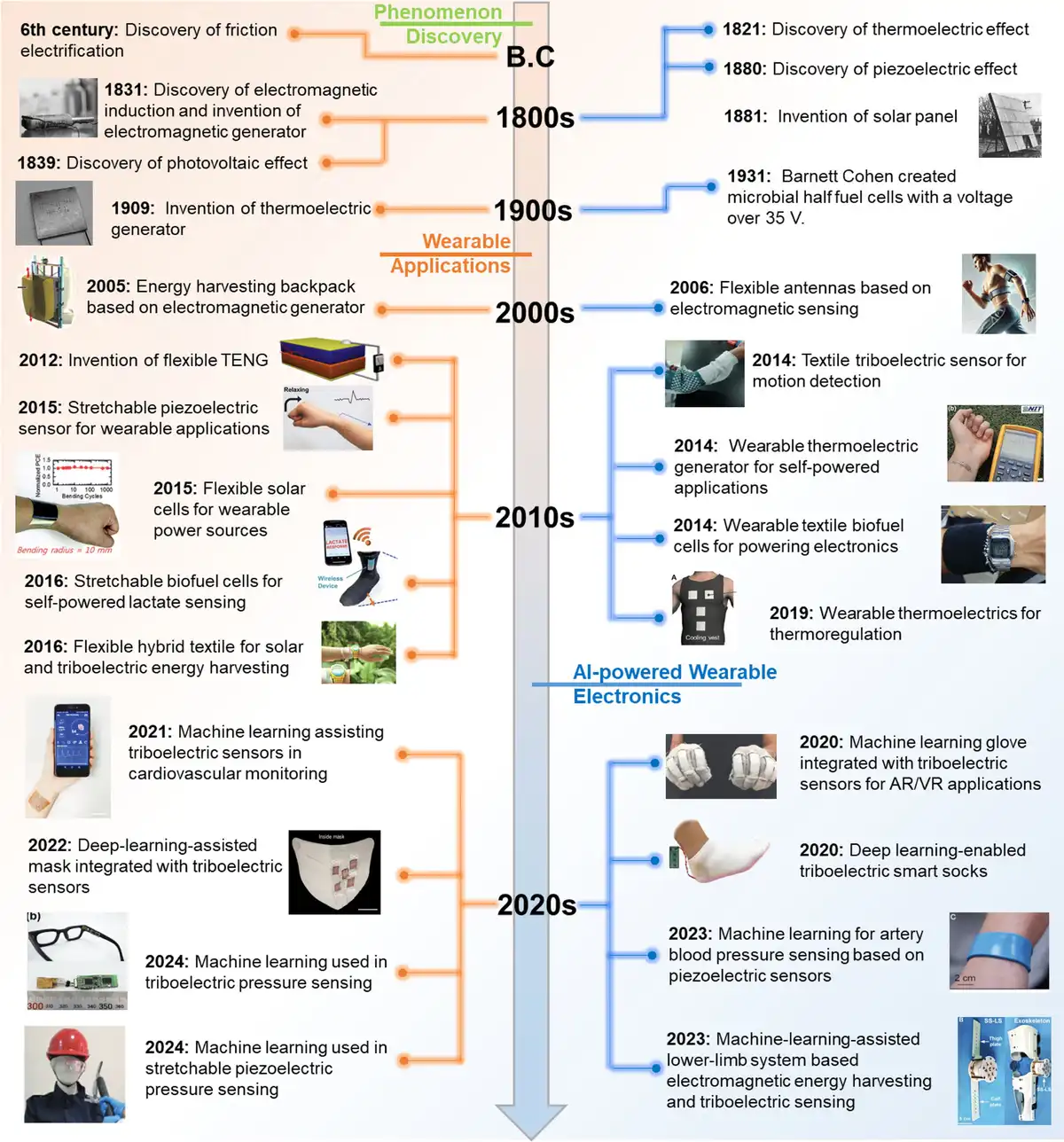
Self-powered sensors, which derive energy from environmental or physiological sources, provide a sustainable approach to eliminating the reliance on external power supplies. They enable the autonomous operation of sensing systems, paving the way for the increasingly expanding Internet of things (IoTs). The integration of artificial intelligence (AI) into these systems for healthcare has significantly advanced their capabilities in processing complex signals, extracting meaningful features, and delivering high-precision health insights. This review explores the latest advancement in self-powered sensors, involving the various applications of piezoelectricity, triboelectricity, electromagnetism, thermoelectricity, photovoltaics, and biofuel cells in healthcare. The applications of AI methodologies in self-powered sensing systems are covered and reviewed, addressing challenges like noise reduction, data analysis, and multisignal fusion. Future directions emphasize leveraging material innovation, manufacturing technology, structural optimization, and further integration of AI technology, to achieve multifunctional, high-performance, and intelligentized healthcare sensing systems. These developments underscore the potential of AI-assisted self-powered sensors to revolutionize healthcare with sustainable, precise, and intelligent solutions.