Benzothiazole derivatives in cancer treatment: synthesis and therapeutic potential: review
Authors
Hasan Tuhmaz Hamad*
- aCollege of Medicine, Thi-Qar University, Nasiriyah, Thi-Qar, Iraq.
* Correspondence: address: Hasan Tuhmaz Hamad, College of Medicine, Thi-Qar University, Nasiriyah, Thi-Qar, Iraq. Email: hassan-tz@utq.edu.iq (H. T. Hamad).
MedMat · 2025 · Vol. 2 · No. 1 · pp. 17-32
Abstract
Benzothiazole derivatives have emerged as promising candidates in the field of cancer treatment due to their unique chemical properties and potent biological activities. This review comprehensively examines the synthetic methodologies employed in the development of benzothiazole derivatives and explores their mechanisms of anticancer action, including cell cycle arrest, apoptosis induction, and inhibition of angiogenesis and metastasis. Additionally, the review highlights recent preclinical and clinical studies that underscore the therapeutic potential of these compounds. By comparing benzothiazole derivatives with existing anticancer agents and discussing future research directions, this review aims to provide a detailed understanding of their role in cancer therapy and their potential for drug development.
Translations
Long abstracts in additional languages. The English article is the version of record.
中文zh-Hans
苯并噻唑衍生物因其独特的化学性质和强大的生物学活性,已成为癌症治疗领域极具潜力的候选药物。当前癌症化疗面临的主要挑战包括耐药性、严重的全身毒性以及转移复发率高,亟需开发新型高效低毒的治疗策略。本综述旨在系统梳理苯并噻唑类化合物的合成路径,深入探讨其抗肿瘤作用机制,并评估其在临床前及临床研究中的治疗潜力,以期为未来抗癌药物的研发提供详实的理论依据和方向指引。
本文作为一篇专题综述文章,重点聚焦于“磁响应/光响应纳米材料”这一特殊主题背景下的苯并噻唑衍生物研究进展。我们系统回顾了近年来文献中报道的多种合成方法学,包括多组分反应、环化缩合及修饰策略等关键步骤,详细分析了不同取代基对分子结构及其理化性质的影响。文章并未进行新的实验操作,而是通过整合现有数据,构建了从分子设计到功能评估的理论框架,重点考察了这些衍生物在纳米载体构建中的潜在应用前景及其与新型响应性材料的协同效应。
综述分析表明,苯并噻唑衍生物主要通过诱导细胞周期阻滞、启动程序性细胞死亡(凋亡)以及抑制血管生成和肿瘤转移等多重机制发挥抗癌作用。现有临床前研究数据揭示了该类化合物在多种癌细胞系中表现出显著的增殖抑制活性,其分子结构中的特定官能团被认为是实现靶向识别的关键因素。与现有的传统化疗药物相比,苯并噻唑衍生物展现出更优的选择性毒性特征,能够更有效地干扰肿瘤细胞的信号转导通路,从而阻断肿瘤的恶性进展过程。
尽管现有研究证实了苯并噻唑类化合物在癌症治疗中的广阔前景,但其在体内代谢稳定性、长期毒理学评估及大规模制剂化方面仍存在局限性。未来的研究工作应致力于优化合成路线以提高产率与纯度,同时结合磁响应或光响应纳米材料技术,开发智能递送系统以增强药物的靶向性和生物利用度。此外,亟需开展更多高质量的临床试验来验证其安全性与有效性,从而推动这一类极具潜力的化合物从实验室研究向临床实际应用的转化,最终实现癌症治疗策略的革新。
Françaisfr
Les dérivés de la benzothiazole se sont imposés comme des candidats prometteurs dans le domaine du traitement du cancer, grâce à leurs propriétés chimiques uniques et à leur activité biologique puissante. Le défi majeur actuel réside dans les limites des thérapies conventionnelles, notamment l'émergence de résistances aux médicaments, la toxicité systémique sévère et un taux élevé de métastases et de rechutes. L'objectif principal de cette revue est d'examiner de manière exhaustive les méthodologies synthétiques employées pour développer ces dérivés, tout en explorant leurs mécanismes d'action anticancéreuse, afin de fournir une compréhension détaillée de leur rôle potentiel dans le développement futur de médicaments.
Cette étude se présente sous la forme d'une revue spécialisée consacrée aux nanomatériaux magnétiques et photo-réponsifs. Nous avons systématiquement analysé les approches méthodologiques documentées dans la littérature récente, en mettant l'accent sur les stratégies de synthèse telles que les réactions multicomposantes et les cycles de condensation pour obtenir des structures variées. Le cadre théorique établi permet d'évaluer comment ces dérivés peuvent être intégrés dans des systèmes nanométriques intelligents. L'article ne rapporte pas de nouvelles expériences, mais synthétise les connaissances existantes sur la conception moléculaire et l'interaction potentielle avec des matériaux sensibles aux stimuli externes pour améliorer l'efficacité thérapeutique.
Les résultats principaux indiquent que ces composés agissent par plusieurs mécanismes biologiques clés : l'arrêt du cycle cellulaire, l'induction de l'apoptose, ainsi que l'inhibition de l'angiogenèse et des métastases. Les études précliniques récentes soulignent leur capacité à cibler spécifiquement les cellules cancéreuses avec une sélectivité accrue par rapport aux agents anticancéreux existants. L'analyse interprète ces effets comme le résultat d'une interaction directe avec les voies de signalisation intracellulaires, bloquant ainsi la prolifération tumorale et favorisant l'élimination des cellules malignes sans endommager excessivement les tissus sains environnants.
Bien que le potentiel thérapeutique soit indéniable, certaines limitations subsistent concernant la stabilité métabolique in vivo et les données de toxicité à long terme qui nécessitent une évaluation plus approfondie. Les travaux futurs devront se concentrer sur l'optimisation des voies de synthèse pour améliorer le rendement et la pureté, tout en explorant leur couplage avec des nanomatériaux magnétiques ou photo-réponsifs pour créer des systèmes d'administration ciblés. Il est impératif de mener davantage d'études cliniques rigoureuses pour valider ces découvertes précliniques, afin de transformer ce potentiel théorique en applications thérapeutiques concrètes et accessibles aux patients atteints de cancer.
Españoles
Los derivados de la benzotiazol han surgido como candidatos prometedores en el campo del tratamiento del cáncer debido a sus propiedades químicas únicas y su potente actividad biológica. Los desafíos actuales en quimioterapia incluyen problemas significativos como la resistencia a los fármacos, una toxicidad sistémica severa y altas tasas de metástasis y recurrencia, lo que subraya la necesidad urgente de desarrollar nuevas estrategias terapéuticas eficaces y menos tóxicas. El objetivo principal de esta revisión es examinar exhaustivamente las metodologías sintéticas empleadas en el desarrollo de estos compuestos y explorar sus mecanismos de acción antineoplásica, proporcionando así una comprensión detallada de su papel potencial en la terapia del cáncer y su viabilidad para el desarrollo futuro de fármacos.
Como parte de un tema especial sobre nanomateriales magnéticos o fotoresponsivos, esta revisión se centra en sintetizar los enfoques metodológicos documentados en la literatura reciente. Se analizan detalladamente las estrategias clave de síntesis, incluyendo reacciones multicomponente y ciclos de condensación, para comprender cómo el diseño molecular influye en sus propiedades fisicoquímicas. El artículo no reporta nuevos experimentos realizados por los autores, sino que integra datos existentes para construir un marco teórico que evalúa la integración potencial de estos derivados en sistemas nanométricos inteligentes y su interacción sinérgica con materiales sensibles a estímulos externos.
Los hallazgos principales indican que los derivados de benzotiazol ejercen sus efectos antitumorales mediante múltiples mecanismos biológicos, incluyendo el arresto del ciclo celular, la inducción de apoptosis y la inhibición de la angiogénesis y las metástasis. Los estudios preclínicos recientes destacan su capacidad para mostrar una actividad inhibitoria significativa en diversas líneas celulares cancerosas con mayor selectividad que los agentes anticancerosos existentes. La interpretación científica sugiere que grupos funcionales específicos dentro de sus estructuras moleculares son cruciales para el reconocimiento diana, permitiendo interferir eficazmente con las vías de señalización intracelular y bloquear la progresión maligna del tumor.
Aunque se ha confirmado un amplio potencial terapéutico, existen limitaciones relacionadas con la estabilidad metabólica in vivo, los datos de toxicidad a largo plazo que requieren una evaluación más profunda y el desafío de la formulación a gran escala. El trabajo futuro debe centrarse en optimizar las rutas sintéticas para mejorar el rendimiento y la pureza, al tiempo que se explora su acoplamiento con tecnologías de nanomateriales magnéticos o fotoresponsivos para crear sistemas inteligentes de administración dirigida. Es imperativo realizar más ensayos clínicos rigurosos para validar estos hallazgos preclínicos en humanos, transformando así este potencial teórico en aplicaciones terapéuticas concretas y accesibles para los pacientes con cáncer.
日本語ja
ベンゾチアゾール誘導体は、その独特な化学的性質と強力な生物学的活性により、がん治療の分野において有望な候補として浮上しています。現在の抗癌療法が直面している主要な課題には、薬剤耐性の発現、重篤な全身毒性、および高い転移・再発率が含まれており、新規で効率的かつ低毒の治療戦略の開発が急務です。本総説は、ベンゾチアゾール誘導体の開発に用いられる合成手法を包括的に検討し、細胞周期の停止やアポトーシスの誘導など、その抗がん作用機序を探求するとともに、これらの化合物のがん治療における役割と創薬への可能性について詳細な理解を提供することを目的としています。
本稿は「磁気応答性・光応答性ナノ材料」に関する特別トピックの一環として位置づけられ、関連する合成方法論の体系的レビューに焦点を当てています。文献から収集されたデータを基盤とし、多成分反応や縮合環化など、ベンゾチアゾール骨格を構築するための主要な手法について詳述しています。本論文は新たな実験データを示すものではなく、既存の研究知見を統合し、分子設計の枠組みと機能評価のプロセスを再構成するものです。特に、これらの誘導体がナノキャリアへの応用や外部刺激に対する反応性材料との相乗効果においてどのように位置づけられるかという理論的側面が強調されています。
分析の結果、ベンゾチアゾール誘導体は細胞周期の停止、アポトーシスの誘導、血管新生および転移の抑制といった複数のメカニズムを通じて抗がん作用を発揮することが示されました。最近の前臨床研究では、これらの化合物が既存の抗癌剤と比較してより優れた選択的毒性を示し、腫瘍細胞の増殖を効果的に阻害する能力が裏付けられています。分子構造内の特定の官能基が標的認識に寄与していると考えられ、これががん細胞のシグナル伝達経路を妨害し、悪性進行を阻止する主要な要因であると解釈されています。
これらの化合物のがん治療における広範な可能性は確認されましたが、体内での代謝安定性や長期毒性評価、ならびに大規模製剤化に関する課題という限界も存在します。今後の研究では、収率と純度を向上させるための合成経路の最適化に加え、磁気応答性或光応答性ナノ材料技術との組み合わせによるスマートドラッグデリバリーシステムの開発が不可欠です。さらに、これらの前臨床的知見の有効性と安全性を検証するためにより質の高い臨床試験の実施が必要であり、これらが実験室レベルの研究から実際の臨床応用へと転換され、がん治療戦略の革新に寄与することを期待しています。
العربيةar
ظهرت مشتقات البنزوثيازول كمرشحات واعدة في مجال علاج السرطان نظراً لخصائصها الكيميائية الفريدة ونشاطها البيولوجي القوي. تواجه العلاجات الكيماوية الحالية تحديات رئيسية تشمل تطوير مقاومة للأدواء، والسمية الجهازية الشديدة، ومعدلات عالية للانتكاسات والنقائل، مما يستلزم الحاجة الملحة لتطوير استراتيجيات علاجية جديدة وفعالة ذات سمية منخفضة. يهدف هذا الاستعراض إلى فحص منهجي لطرق التخليق المستخدمة في تطوير مشتقات البنزوثيازول واستكشاف آليات عملها المضادة للسرطان، بما يوفر فهماً مفصلاً لدورها المحتمل في العلاج الكيميائي وإمكاناتها لتطوير الأدوية المستقبلية.
تتناول هذه المقالة كجزء من موضوع خاص حول المواد النانوية المغناطيسية أو الضوئية الاستجابة مراجعة شاملة للمنهجيات الموثقة في الأدبيات العلمية الحديثة. يركز التحليل على استراتيجيات التخليق الرئيسية مثل تفاعلات المكونات المتعددة ودورات التكثيف لفهم كيفية تأثير التصميم الجزيئي على الخصائص الفيزيوكيميائية لهذه المركبات. لا يقدم المقال بيانات تجريبية جديدة، بل يقوم بدمج المعرفة الحالية لبناء إطار نظري يقيم إمكانية دمج هذه المشتقات في أنظمة نانوية ذكية وتفاعلها التآزري مع المواد الحساسة للمحفزات الخارجية لتحسين الكفاءة العلاجية.
تشير النتائج الرئيسية إلى أن مشتقات البنزوثيازول تمارس تأثيراتها المضادة للسرطان من خلال آليات بيولوجية متعددة تشمل إيقاف دورة الخلية، وتحفيز موت الخلايا المبرمج (الاستماتة)، بالإضافة إلى تثبيط تكوين الأوعية الدموية والنقائل. وتؤكد الدراسات قبل السريرية الحديثة قدرتها على إظهار نشاط مثبط ملحوظ في خطوط خلوية سرطانية متنوعة مع انتقائية أعلى مقارنة بالعوامل المضادة للسرطان الحالية، حيث يُفسر ذلك بأن مجموعات وظيفية محددة ضمن هياكلها الجزيئية تلعب دوراً حاسماً في التعرف المستهدف وتدخل مسارات الإشارات داخل الخلايا.
على الرغم من تأكيد الإمكانيات العلاجية الواسعة لهذه المركبات، إلا أن هناك قيوداً تتعلق بالاستقرار الأيضي في الجسم الحي، وبيانات السمية طويلة المدى التي تتطلب تقييماً أعمق، بالإضافة إلى تحديات التجهيز على نطاق واسع. يجب أن يركز العمل المستقبلي على تحسين مسارات التخليق لزيادة الإنتاجية والنقاء، مع استكشاف اقترانها بتقنيات المواد النانوية المغناطيسية أو الضوئية الاستجابة لإنشاء أنظمة توصيل ذكية موجهة. ومن الضروري إجراء المزيد من التجارب السريرية الصارمة لتأكيد هذه الاكتشافات قبل السريرية في البشر، مما يحول هذا الجهد النظري إلى تطبيقات علاجية ملموسة ومتاحة لمرضى السرطان.
Keywords
Full Text
1. Introduction
Cancer remains one of the leading causes of morbidity and mortality worldwide, with millions of new cases diagnosed each year.[1] The disease is characterized by the uncontrolled growth and spread of abnormal cells, which can invade nearby tissues and metastasize to distant parts of the body.[2] Traditional cancer treatments, including surgery, radiation therapy, and chemotherapy, have been the cornerstone of cancer management for decades.[3] Surgery is often the first line of treatment for many solid tumors. It aims to physically remove the tumor mass from the body.[4] While surgery can be curative for localized cancers, it is less effective for metastatic diseases.[5] Furthermore, surgical procedures come with significant risks and complications, such as infections and impacts on the patient’s quality of life. Radiation therapy uses high-energy radiation to kill cancer cells or inhibit their growth.[6] It can be applied externally or internally (brachytherapy). While effective for certain cancers, radiation therapy can damage surrounding healthy tissues, leading to side effects like fatigue, skin reactions, and long-term complications such as secondary cancers. Chemotherapy involves the use of cytotoxic drugs to kill rapidly dividing cancer cells.[7] It can be administered orally, intravenously, or through other routes.[8] Despite its efficacy in treating various cancers, chemotherapy is associated with significant adverse effects, including nausea, vomiting, hair loss, and myelosuppression (reduced bone marrow activity).[9] These side effects result from the drugs’ lack of specificity, as they affect both cancerous and healthy rapidly dividing cells. In recent years, Siegel et al.’s targeted therapies have revolutionized cancer treatment.[1] These therapies target specific molecules involved in cancer growth and progression. Examples include tyrosine kinase inhibitors and monoclonal antibodies.[10] Targeted therapies often have fewer side effects than traditional chemotherapy. However, they are not without limitations, such as the development of drug resistance and high costs.
Immunotherapy has also emerged as a groundbreaking approach in oncology.[11] This strategy harnesses the body’s immune system to recognize and attack cancer cells.[12] Immune checkpoint inhibitors, such as pembrolizumab and nivolumab, have shown remarkable success in treating certain cancers, including melanoma and non–small cell lung cancer.[13] Nevertheless, immunotherapy can cause immune-related adverse events and is effective only in a subset of patients.
Hormone therapy is another approach used primarily in hormone-sensitive cancers,[14] such as breast[15] and prostate cancers.[16] By blocking the body’s ability to produce hormones or interfering with hormone action, this therapy can slow or stop cancer growth. However, resistance to hormone therapy can develop, necessitating the use of additional treatments. Despite these advancements, significant challenges remain in cancer treatment.[17] The heterogeneity of cancer, wherein different cells within the same tumor can have diverse genetic and phenotypic profiles, complicates treatment strategies. Additionally, the ability of cancer cells to adapt and develop resistance to therapies limits the long-term efficacy of current treatments. Therefore, there is a continuous need for novel therapeutic agents that can overcome these limitations and provide more effective and less toxic treatment options. Benzothiazole derivatives have garnered significant interest in medicinal chemistry due to their diverse biological activities and potential therapeutic applications.[18] The benzothiazole moiety, consisting of a benzene ring fused to a thiazole ring, is a privileged structure in drug design.[19] Its unique chemical properties allow for the formation of various derivatives with significant pharmacological activities, including antimicrobial, anti-inflammatory, and anticancer effects.[20]
The significance of benzothiazole derivatives in medicinal chemistry stems from their ability to interact with multiple biological targets.[21] This versatility is largely attributed to the heterocyclic structure of benzothiazole, which can mimic the structural motifs of natural biomolecules.[22] This structural mimicry enables benzothiazole derivatives to interfere with critical biological processes involved in disease pathogenesis. One of the key advantages of benzothiazole derivatives is their potential as anticancer agents. Several benzothiazole-based compounds have demonstrated potent anticancer activity against various cancer cell lines.[23] The anticancer properties of these derivatives are attributed to their ability to induce cell cycle arrest, promote apoptosis, inhibit angiogenesis, and interfere with metastasis.[24] Cell cycle arrest is a crucial mechanism through which benzothiazole derivatives exert their anticancer effects.[25] By disrupting the cell cycle, these compounds can halt the proliferation of cancer cells.[26]
For instance, Diao et al.[27] in 2019 stated that certain benzothiazole derivatives have been shown to inhibit cyclin-dependent kinases (CDKs), which play a pivotal role in regulating cell cycle progression. Inhibition of CDKs leads to cell cycle arrest, preventing cancer cells from proliferating. Apoptosis induction is another vital mechanism of action for benzothiazole derivatives. Apoptosis, or programmed cell death, is a tightly regulated process that eliminates damaged or unwanted cells. Many benzothiazole derivatives can activate apoptosis pathways in cancer cells, leading to their selective elimination.[28] These compounds can modulate key apoptotic regulators, such as Bcl-2 family proteins and caspases, to trigger cell death. Inhibition of angiogenesis is a crucial strategy for combating cancer, as tumors require a blood supply to grow and metastasize.[29] Benzothiazole derivatives have demonstrated antiangiogenic properties by inhibiting the formation of new blood vessels.[30] This effect can be achieved through the inhibition of vascular endothelial growth factor (VEGF) signaling, a key pathway involved in angiogenesis.[31]
Interference with metastasis is essential for preventing the spread of cancer to distant organs. Benzothiazole derivatives can impede metastasis by targeting molecules involved in cell adhesion, migration, and invasion.[32] For example, some benzothiazole compounds have been shown to inhibit matrix metalloproteinases (MMPs), enzymes that degrade the extracellular matrix and facilitate tumor invasion. Some benzothiazole compounds have been reported to sensitize cancer cells to chemotherapy and radiotherapy, thereby improving treatment outcomes.[23] This sensitization effect is particularly valuable in overcoming resistance to conventional therapies.
The synthesis of benzothiazole derivatives is a critical aspect of their development as therapeutic agents.[26] Various synthetic approaches have been explored to generate a diverse array of benzothiazole-based compounds. Traditional methods include the condensation of o-aminothiophenol with carboxylic acids or their derivatives, such as esters or amides.[33] Modern synthetic techniques, such as microwave-assisted synthesis and green chemistry approaches, have also been employed to enhance the efficiency and sustainability of benzothiazole synthesis.[34] Microwave-assisted synthesis, for example, offers several advantages, including reduced reaction times and higher yields. This method utilizes microwave radiation to accelerate chemical reactions, making it a valuable tool for the rapid generation of benzothiazole derivatives.[35] Green chemistry approaches, which emphasize the use of environmentally friendly reagents and solvents, align with the principles of sustainable development and have gained traction in the synthesis of benzothiazole compounds.[36] Despite the promising potential of benzothiazole derivatives, challenges remain in their development as anticancer agents. One significant challenge is the optimization of their pharmacokinetic properties, such as solubility, stability, and bioavailability. Additionally, the safety and toxicity profiles of these compounds need thorough evaluation to ensure their suitability for clinical use. The novelty of this review lies in its comprehensive exploration of the synthesis methods, structure–activity relationships (SARs), and therapeutic potential of benzothiazole derivatives specifically for cancer treatment. While previous studies have addressed various aspects of benzothiazole chemistry and pharmacology, this review uniquely integrates recent advancements in synthetic techniques, modern analytical methods, and clinical findings. It emphasizes the versatility of benzothiazole derivatives in overcoming common limitations of current anticancer therapies, such as drug resistance and non-specific toxicity. By providing a detailed account of both traditional and contemporary synthetic strategies, this review highlights innovative approaches that enhance the development of more potent and selective benzothiazole-based anticancer agents. The primary aim of this review is to provide a comprehensive and up-to-date overview of benzothiazole derivatives as promising candidates for anticancer therapy. It seeks to elucidate the various synthetic methods employed in the creation of these compounds, analyze their mechanisms of action, and evaluate their efficacy in preclinical and clinical settings. By synthesizing the current knowledge in the field, this review aims to highlight the potential of benzothiazole derivatives to contribute significantly to the development of novel, effective anticancer treatments. The primary objectives of this study are to comprehensively investigate the synthesis, structure, and therapeutic potential of benzothiazole derivatives in cancer treatment. It aims to systematically review both traditional and modern synthetic methods, including microwave-assisted synthesis, green chemistry approaches, and catalyst-driven processes, while evaluating their efficiency, yield, environmental impact, and scalability. The study further explores the SARs of benzothiazole derivatives, identifying key structural modifications, substituents, and functional groups that enhance their anticancer activity and selectivity. Additionally, it elucidates the primary mechanisms of their anticancer action, such as apoptosis induction, cell cycle arrest, and angiogenesis inhibition, detailing the molecular pathways involved. By compiling and analyzing data from preclinical and clinical studies, the research assesses their anticancer efficacy, therapeutic potential, and safety profiles. Finally, it evaluates the comparative effectiveness of benzothiazole derivatives against existing anticancer agents, discusses their potential applications in drug development and personalized medicine, and identifies future research directions to advance their development as effective anticancer agents.
1.1 Core structure
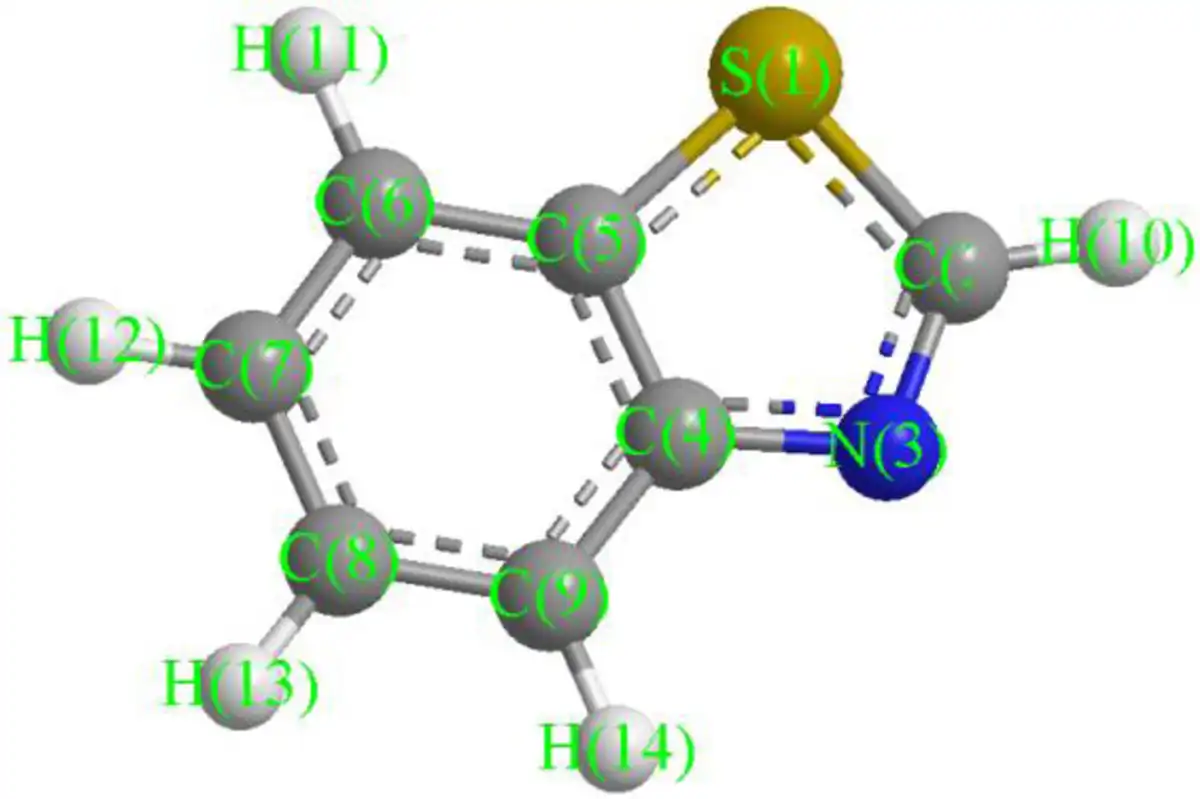
The benzothiazole moiety is a bicyclic ring system composed of a benzene ring fused with a thiazole ring.[37] The unique configuration of this core structure is fundamental to the diverse biological activities exhibited by benzothiazole derivatives.[26] Understanding the core structure and the electronic properties of benzothiazole is crucial for appreciating how these compounds interact with biological targets.[38] The benzothiazole core consists of a benzene ring (a 6-membered ring with alternating double bonds) fused to a thiazole ring (a 5-membered ring containing a sulfur atom and a nitrogen atom).[39] The fusion of these rings occurs through 2 carbon atoms, forming a planar and aromatic bicyclic structure. This core is represented chemically as C7H5NS, where the positions on the benzene ring are numbered from 1 to 6 and the positions on the thiazole ring are numbered 2 and 3, with sulfur at position 1 and nitrogen at position 3.[40]Figure 1 provides a foundational understanding of the benzothiazole core, which is critical for the development of derivatives. Highlighting various substituent positions allows researchers to visualize how modifications can affect biological activity. This structural insight is essential for rational drug design and the exploration of SARs.
Figure 1.
Chemical structure of benzothiazole.
The electronic properties of benzothiazole are characterized by its aromaticity, which contributes to its stability and reactivity.[41] The conjugated π-electron system across the benzene and thiazole rings allows benzothiazole to engage in various π–π interactions, hydrogen bonding, and van der Waals forces with biological macromolecules. These interactions are crucial for the binding affinity and specificity of benzothiazole derivatives toward their biological targets.[42] Benzothiazole core can be functionalized at various positions to yield a wide array of derivatives with distinct biological properties.[43] Common functional groups introduced onto the benzothiazole core include amino, hydroxyl, carboxyl, alkyl, and halogen groups.[44] The choice and position of these substituents play a significant role in modulating the physicochemical and pharmacokinetic properties of the derivatives.[45]
1.2 Structure–activity relationship (SAR)
SAR of benzothiazole derivatives is a pivotal aspect of medicinal chemistry, as it elucidates how modifications to the chemical structure influence biological activity.[46] Through systematic alterations of the benzothiazole core and its substituents, researchers can optimize these compounds for enhanced efficacy, selectivity, and reduced toxicity. Table 1 illustrates the relationship between structural modifications of benzothiazole derivatives and their biological activity.[45] Specific substituents at different positions significantly influence the compounds’ potency, highlighting the importance of SAR studies in designing more effective anticancer agents.[47] Understanding these relationships aids in the rational design of future derivatives.
Table 1
Structure–activity relationships (SARs) of benzothiazole derivatives.
| Substituent position | Substituent type | Activity level (IC50) | Mechanism of action |
|---|---|---|---|
| 2 | Halogens | Low | Reduced binding affinity |
| 3 | Alkyl groups | Moderate | Increased lipophilicity |
| 4 | Aromatic groups | High | Enhanced cell penetration |
| 5 | Electron-donating | Very high | Stronger interaction with target enzymes |
Substituents on the benzene ring of the benzothiazole core can significantly impact the compound’s activity and pharmacokinetics.[48] Electron-donating groups such as hydroxyl (–OH), methoxy (–OCH3), and amino (–NH2) groups typically enhance the electron density of the benzene ring, which can increase binding affinity to certain biological targets.[49] For example, the introduction of an amino group at the 2-position of the benzene ring has been shown to enhance anticancer activity by facilitating stronger interactions with DNA and cellular proteins.[50] Conversely, electron-withdrawing groups such as nitro (–NO2), cyano (–CN), and halogens (eg, –F, –Cl, –Br) can reduce electron density, potentially altering the compound’s interaction with biological targets. Halogen substituents can enhance lipophilicity and membrane permeability, which are desirable traits for drug candidates. For instance, the substitution of a fluorine atom at the 4-position of the benzene ring can enhance the compound’s ability to cross cell membranes and increase its metabolic stability. Modifications to the thiazole ring, although less common than benzene ring modifications, can also influence the activity of benzothiazole derivatives. Substituents at the 2-position of the thiazole ring, adjacent to the sulfur atom, can significantly impact the compound’s biological properties.[51] For example, alkyl or aryl groups at this position can enhance lipophilicity and improve the compound’s interaction with hydrophobic pockets of target proteins. Additionally, substitution at the 3-position, where the nitrogen atom is located, can influence hydrogen bonding interactions with biological targets. Incorporating groups that can form strong hydrogen bonds, such as hydroxyl or amino groups, can enhance the binding affinity and selectivity of benzothiazole derivatives for their targets.
Incorporation of heterocyclic moieties or alkyl chains onto the benzothiazole core can further diversify the biological activity profile of these derivatives.[52] Heterocyclic groups such as pyridine, pyrazole, or imidazole can introduce new pharmacophores that enhance the compound’s ability to interact with a broader range of biological targets.[53] For instance, attaching a pyridine ring to the benzothiazole core can improve aqueous solubility and binding to enzymes or receptors. Alkyl chains, on the other hand, can modulate the lipophilicity and membrane permeability of benzothiazole derivatives.[45] Longer alkyl chains can increase lipophilicity, facilitating the compound’s ability to penetrate cell membranes and reach intracellular targets. However, excessive lipophilicity can lead to poor aqueous solubility and unfavorable pharmacokinetic properties, highlighting the need for a balanced approach in alkyl chain modification.[54]
Benzothiazole derivatives can be modified to include prodrug moieties that improve pharmacokinetic properties, such as solubility, stability, and bioavailability.[55] For example, ester or carbamate groups can be introduced to mask polar functional groups, enhancing lipophilicity and facilitating oral absorption.[56] Once inside the body, enzymatic cleavage releases the active benzothiazole derivative at the site of action.[57] SAR of benzothiazole derivatives also extends to their pharmacokinetic and pharmacodynamic profiles.[58] Modifications that enhance the compound’s solubility, stability, and permeability can improve its absorption, distribution, metabolism, and excretion (ADME) properties. For instance, the introduction of polar groups can improve aqueous solubility, facilitating oral or intravenous administration.[59] Additionally, modifications that increase metabolic stability can prolong the compound’s half-life, reducing the frequency of dosing required for therapeutic efficacy. Several benzothiazole derivatives have been studied extensively for their anticancer properties, providing valuable insights into their SAR. One notable example is the compound 2-(4-aminophenyl)benzothiazole, which has demonstrated potent anticancer activity against a variety of cancer cell lines.[60] Modifications to the amino group and benzothiazole core have led to the development of analogs with improved potency and selectivity. For instance, introducing halogen substituents at specific positions on the benzene ring has enhanced the compound’s ability to inhibit cell proliferation and induce apoptosis.[61] Another example is the compound 6-substituted benzothiazole, where modifications at the 6-position of the benzene ring have been explored.[43] Substituents such as alkyl, aryl, and heterocyclic groups at this position have been shown to influence the compound’s ability to target specific cancer cell types.[62]
These modifications have also impacted the compound’s pharmacokinetic properties, such as solubility and metabolic stability, further highlighting the importance of SAR in the development of benzothiazole-based anticancer agents.[63] Despite the promising potential of benzothiazole derivatives, several challenges remain in optimizing their SAR for clinical use. One significant challenge is achieving a balance between potency and selectivity, that is, the selectivity of nonselective kinase inhibition reported by Morphy in 2010,[64] then Sun et al.[65] in 2022 inquired in their publication about the cause of drug development failure. While modifications can enhance the compound’s activity against cancer cells, they may also increase off-target effects, leading to toxicity. Therefore, a careful and systematic approach to SAR studies is essential to identify derivatives with an optimal therapeutic window. Additionally, the development of resistance to benzothiazole derivatives is a concern. Cancer cells can adapt to therapeutic pressures, leading to reduced efficacy of the treatment over time. Understanding the mechanisms of resistance and designing derivatives that can overcome or circumvent these mechanisms is a critical area of ongoing research.
2. Synthetic approaches to benzothiazole derivatives
2.1 Traditional methods
The synthesis of benzothiazole derivatives has a rich history in organic chemistry, with several classical routes established over the years.[66] Traditional methods often rely on straightforward chemical reactions that have been well-documented and widely used in various laboratories. Table 2 summarizes the various synthetic methods employed in the development of benzothiazole derivatives. Traditional methods provide a reliable basis but often lack selectivity.[21] In contrast, modern techniques such as microwave-assisted synthesis and green chemistry approaches offer higher yields and reduced environmental impact.[34] Understanding these methods is crucial for optimizing synthesis and enhancing the development of effective anticancer agents.[67]
Table 2
Overview of synthetic methods for benzothiazole derivatives.
| Synthesis method | Key reagents | Reaction conditions | Yield (%) | Advantages | Limitations |
|---|---|---|---|---|---|
| Traditional condensation | Thiourea, haloaryl compounds | Heat (reflux), organic solvent (eg, ethanol) | 50–90 | Simple, established procedures, readily available starting materials | Low selectivity (formation of byproducts), harsh reaction conditions, longer reaction times |
| Microwave-assisted synthesis | Thiourea, aromatic aldehydes | Microwave irradiation, solvent (optional) | 80–95 | Faster reaction times, improved efficiency, reduced solvent use | Equipment dependent (microwave synthesizer required), potential for uneven heating |
| Green chemistry approaches | Biocatalysts (enzymes), recyclable catalysts, renewable starting materials (eg, biomass) | Mild conditions (room temperature, aqueous media) | 70–90 | Environmentally friendly, reduced waste generation, potentially safer reagents | Lower yields compared with traditional methods, scalability issues for large-scale production |
| Catalyst-driven processes | Transition metal complexes (eg, palladium, copper) | Specific conditions (temperature, solvent, ligands) | 60–90 | High selectivity for desired products, improved efficiency | Complex catalyst design and synthesis, specialized equipment requirements |
| Cyclization reactions | o-Aminobenzenethiols, α-keto esters (or amides) | Acidic or basic conditions, solvent | 60–85 | Direct access to substituted benzothiazoles | Requires specific functional groups in starting materials, may require additional steps for functionalization |
Figure 2 summarizes the key synthetic approaches to generating benzothiazole derivatives, including classical condensation reactions and innovative microwave-assisted methods.[33] By comparing the steps involved in each approach, researchers can assess the efficiency and feasibility of different synthetic strategies, informing their choices in developing new compounds.[39]
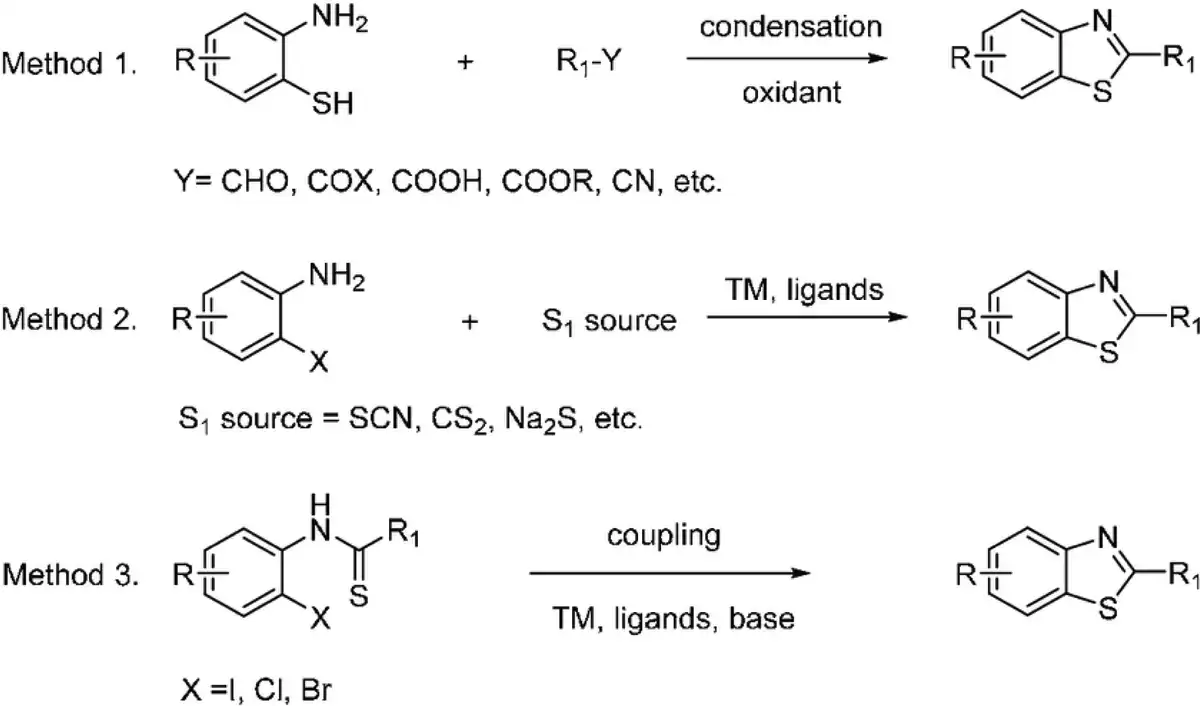
Figure 2.
Synthetic pathways for benzothiazole derivatives.
(1) Condensation of o-aminothiophenol with carboxylic acids or derivatives. One of the most common traditional methods for synthesizing benzothiazole derivatives involves the condensation of o-aminothiophenol with carboxylic acids or their derivatives (such as esters, amides, or acid chlorides).[44] This reaction typically proceeds through the formation of an intermediate amide or ester, followed by cyclization to form the benzothiazole ring. For example, heating o-aminothiophenol with formic acid yields benzothiazole, whereas reaction with other carboxylic acids produces substituted benzothiazoles.[68]
(2) Skraup synthesis. The Skraup synthesis, originally developed for the synthesis of quinolines, has been adapted for the preparation of benzothiazoles.[69] In this method, o-aminothiophenol reacts with an aldehyde (such as formaldehyde) and a strong acid (such as sulfuric acid) in the presence of an oxidizing agent (such as nitrobenzene or ferric chloride). The reaction proceeds through an oxidative cyclization mechanism to yield the benzothiazole core.
(3) Bucherer–Bergs reaction. Another classical method is the Bucherer–Bergs reaction, which involves the cyclization of o-aminothiophenol with carbon disulfide and an aldehyde or ketone.[70] The reaction typically uses ammonium hydroxide as a base and produces benzothiazoles through the formation of an intermediate dithiocarbamate, which undergoes cyclization and desulfurization.
(4) Gabriel–Colman rearrangement. The Gabriel–Colman rearrangement is a method where thioureas react with α-haloketones or α-haloesters to form benzothiazoles.[71] This reaction proceeds through the formation of an intermediate thiourea derivative, followed by intramolecular cyclization to yield the benzothiazole ring.
(5) Cyclocondensation reactions. Cyclocondensation reactions involving o-aminothiophenols and various carbonyl compounds (such as ketones, aldehydes, and α,β-unsaturated carbonyl compounds) are also widely used for benzothiazole synthesis.[72] These reactions often require acidic or basic catalysts to facilitate the cyclization process.
2.2 Modern synthetic techniques
While traditional methods have been invaluable in the synthesis of benzothiazole derivatives, modern synthetic techniques have introduced more efficient, sustainable, and versatile approaches.[38] These contemporary methods often employ advanced technologies and principles of green chemistry to improve yields, reduce reaction times, and minimize environmental impact.
(1) Microwave-assisted synthesis. Microwave-assisted synthesis has gained popularity as a rapid and efficient method for preparing benzothiazole derivatives.[35] Microwave irradiation provides uniform and rapid heating, which can significantly accelerate reaction rates compared with conventional heating methods.[36] This technique has been applied to various benzothiazole syntheses, including the cyclocondensation of o-aminothiophenols with carboxylic acids or aldehydes. Microwave-assisted reactions typically offer higher yields and shorter reaction times, making them attractive for both academic research and industrial applications.
(2) Green chemistry approaches. Green chemistry principles emphasize the use of environmentally benign solvents, reagents, and processes to minimize the ecological footprint of chemical synthesis. In the context of benzothiazole derivatives, green chemistry approaches often involve the use of water or ethanol as solvents[73] and the avoidance of hazardous reagents. For example, water-based reactions have been developed for the cyclocondensation of o-aminothiophenols with aldehydes or ketones, offering a greener alternative to traditional methods.[74]
(3) Catalyst-driven processes. Catalysis plays a crucial role in modern synthetic chemistry, providing more efficient and selective pathways for chemical reactions. In benzothiazole synthesis, both homogeneous and heterogeneous catalysts have been employed to enhance reaction rates and selectivity.[75] Metal catalysts, such as palladium, copper, and gold, have been used in cross-coupling reactions and oxidative cyclization processes to synthesize benzothiazole derivatives. Additionally, organocatalysts, which are small organic molecules that catalyze chemical reactions, have been explored for their ability to facilitate benzothiazole synthesis under mild conditions.
(4) Photocatalytic and electrocatalytic methods. Photocatalysis and electrocatalysis are emerging techniques that utilize light or electric current to drive chemical reactions. These methods offer unique advantages, such as mild reaction conditions and the ability to harness renewable energy sources. In benzothiazole synthesis, photocatalytic processes have been used to achieve oxidative cyclization of o-aminothiophenols with carbonyl compounds.[76] Similarly, electrocatalytic methods have been explored for the cyclization of o-aminothiophenols, providing a sustainable approach to benzothiazole synthesis.
(5) Flow chemistry. Flow chemistry involves conducting chemical reactions in continuously flowing streams rather than in traditional batch reactors. This technique offers several advantages, including improved reaction control, scalability, and safety. Flow chemistry has been applied to the synthesis of benzothiazole derivatives,[77] allowing for precise control over reaction parameters and efficient production of target compounds. The use of microreactors and continuous flow systems has enabled the rapid synthesis of benzothiazoles with high yields and reproducibility.
2.3 Challenges and solutions
While significant progress has been made in the synthesis of benzothiazole derivatives, several challenges remain. Addressing these challenges is crucial for optimizing synthetic methods and expanding the utility of benzothiazoles in medicinal chemistry and other fields.
(1) Selectivity and regioselectivity. Achieving high selectivity and regioselectivity in benzothiazole synthesis is a common challenge. The presence of multiple reactive sites on the benzothiazole core can lead to the formation of undesired byproducts or regioisomers. To address this issue, researchers have developed various strategies, including the use of selective catalysts, protecting groups, and directing groups. For example, the introduction of directing groups on the benzene ring can guide the reaction to specific positions, enhancing regioselectivity.
(2) Functional group tolerance. The tolerance of various functional groups during benzothiazole synthesis is another critical challenge. Functional groups such as hydroxyl, amino, and carboxyl groups can be sensitive to reaction conditions, leading to side reactions or degradation. To overcome this challenge, mild and selective reaction conditions have been developed. For instance, microwave-assisted synthesis and catalyst-driven processes often provide milder conditions that preserve sensitive functional groups.
(3) Environmental impact. Reducing the environmental impact of benzothiazole synthesis is an ongoing priority. Traditional methods often involve the use of hazardous solvents and reagents, leading to environmental and safety concerns. Green chemistry approaches, such as the use of water or ethanol as solvents and the development of catalyst-driven processes, have been implemented to minimize environmental impact. Additionally, flow chemistry and microwave-assisted synthesis offer more sustainable alternatives by reducing waste and energy consumption.
(4) Scalability. Scaling up benzothiazole synthesis from laboratory to industrial scale presents several challenges, including maintaining reaction efficiency, yield, and selectivity. Flow chemistry offers a promising solution to scalability issues by enabling continuous production and precise control over reaction parameters. Additionally, the development of robust and scalable catalytic systems is essential for industrial applications.
(5) Complex molecule synthesis. The synthesis of complex benzothiazole derivatives, such as those with multiple substituents or intricate ring systems, can be challenging. Advanced synthetic techniques, including multistep synthesis, cascade reactions, and one-pot processes, have been developed to address these challenges. For example, multistep synthesis allows for the sequential introduction of various substituents, while cascade reactions enable the formation of complex molecules in a single reaction sequence.
2.3.1 Recent advancements
Recent advancements in synthetic methodologies have addressed many of the challenges associated with benzothiazole synthesis. For example, the development of new catalytic systems, such as metal-organic frameworks and covalent organic frameworks, has enhanced the efficiency and selectivity of benzothiazole synthesis. Additionally, the integration of computational chemistry and machine learning has enabled the rational design of synthetic routes and catalysts, further optimizing the synthesis of benzothiazole derivatives.
2.3.2 Case studies of modern synthesis
Several case studies highlight the success of modern synthetic techniques in benzothiazole synthesis. For instance, a study demonstrated the use of a palladium-catalyzed cross-coupling reaction to synthesize 2-arylbenzothiazoles with high yield and selectivity. Another study reported the use of a green chemistry approach, employing water as a solvent and a recyclable copper catalyst, to synthesize benzothiazole derivatives under mild conditions.
3. Mechanisms of anticancer action
The primary mechanisms of anticancer action are listed in Table 3 through which benzothiazole derivatives exert their anticancer effects.[78] By categorizing compounds based on their specific mechanisms,[18] the table highlights the multifaceted nature of their action, which is crucial for developing combination therapies that enhance treatment efficacy.[79]
Table 3
Mechanisms of anticancer action for benzothiazole derivatives.
| Mechanism | Effects on cancer cells |
|---|---|
| Apoptosis induction | Increased caspase activation, mitochondrial dysfunction, DNA fragmentation |
| Cell cycle arrest | G1 phase arrest (inhibits cell division), upregulation of p21 (tumor suppressor protein) |
| Inhibition of angiogenesis | Reduced VEGF expression (prevents blood vessel growth to tumors), decreased vessel formation |
| Tubulin polymerization inhibition | Disrupts microtubule formation (essential for cell division and movement), mitotic arrest (stops cell division) |
| DNA topoisomerase inhibition | Interferes with DNA replication, induces DNA damage |
| Modulation of signaling pathways | Targets specific signaling molecules (e.g., EGFR, JAK/STAT), disrupts growth and survival signals |
| Modulation of immune response | Activates immune cells, increases tumor recognition |
EGFR, epidermal growth factor receptor; JAK/STAT, Janus Kinase/signal transducer and activator of transcription.
Figure 3 illustrates the multifaceted mechanisms of action of benzothiazole derivatives. By depicting pathways such as apoptosis induction and cell cycle modulation, this visual aids in understanding how these compounds can target cancer cells effectively.[80] This comprehensive overview is crucial for developing combination therapies that exploit these mechanisms synergistically.
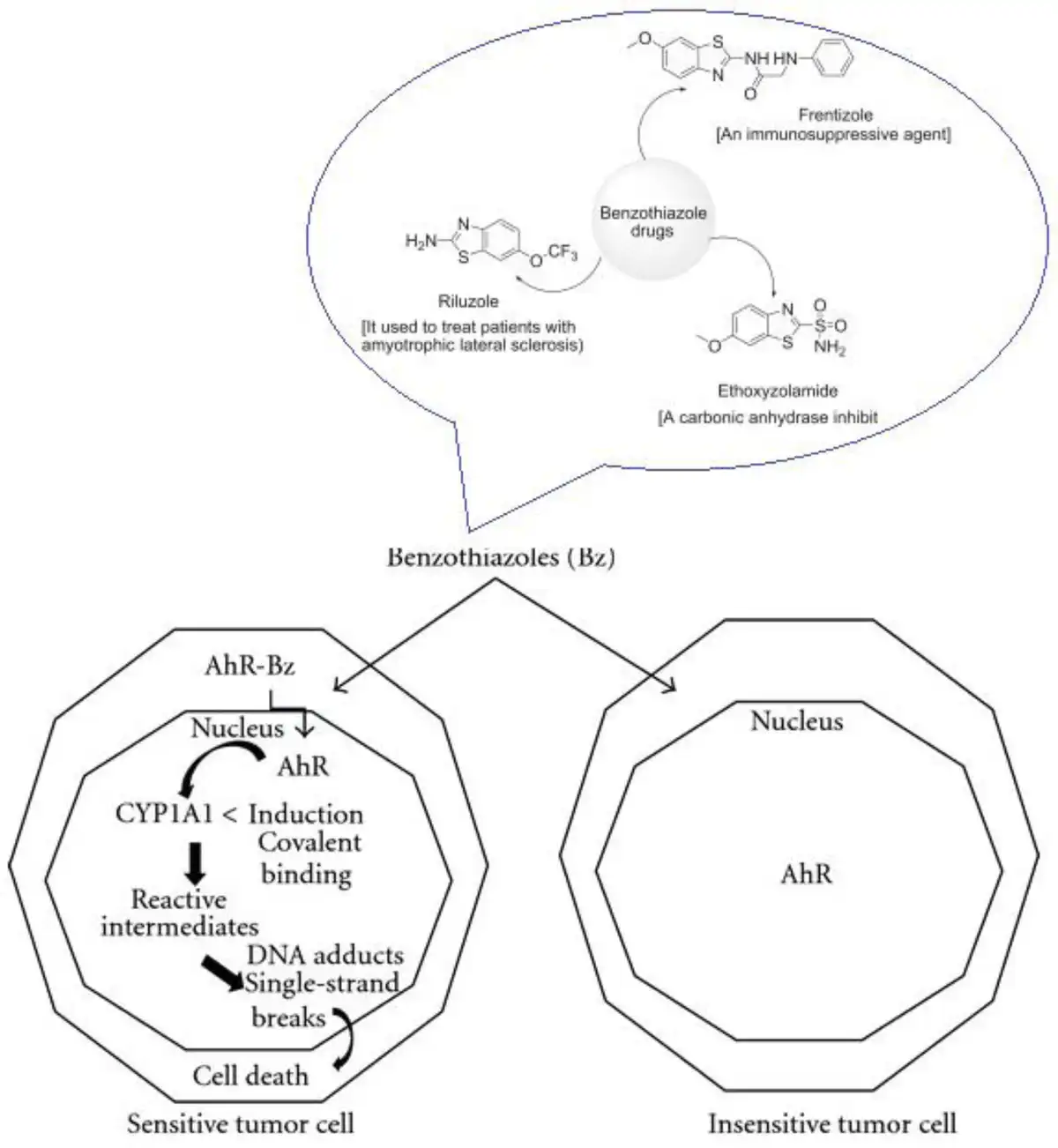
Figure 3.
Mechanisms of action of benzothiazole derivatives.
3.1 Cell cycle arrest
The cell cycle is a series of tightly regulated phases that cells undergo to grow and divide. Cancer cells often bypass these regulatory mechanisms, leading to uncontrolled proliferation. Benzothiazole derivatives have been shown to induce cell cycle arrest, effectively halting the proliferation of cancer cells.
3.1.1 Mechanisms of cell cycle arrest
Benzothiazole derivatives exert their effects on the cell cycle through various mechanisms, often targeting key regulatory proteins and checkpoints.[81] These checkpoints include the G1/S checkpoint, which monitors DNA integrity before replication, and the G2/M checkpoint, which ensures proper DNA replication and repair before mitosis.[82] By interfering with these checkpoints, benzothiazole derivatives can halt the cell cycle and prevent cancer cell division.
(1) G1 phase arrest. Several benzothiazole derivatives have been reported to cause cell cycle arrest at the G1 phase. This effect is often mediated by the upregulation of cyclin-dependent kinase inhibitors (CKIs) such as p21 and p27, which bind to and inhibit the activity of CDKs responsible for driving the cell cycle forward.[83] For example, benzothiazole derivatives can enhance the expression of p21 by activating the p53 tumor suppressor pathway.[84] p53, often referred to as the “guardian of the genome,” plays a critical role in maintaining DNA integrity by promoting cell cycle arrest and apoptosis in response to DNA damage.[85]
(2) S phase arrest. Some benzothiazole derivatives induce cell cycle arrest during the S phase, the period of DNA synthesis.[86] This can be achieved by inhibiting the activity of DNA polymerases or other enzymes involved in DNA replication. Additionally, these compounds may cause DNA damage, triggering the activation of the DNA damage response (DDR) pathway. The DDR pathway activates checkpoints that halt the cell cycle to allow for DNA repair, thus preventing the propagation of damaged DNA.
(3) G2/M phase arrest. Benzothiazole derivatives can also induce cell cycle arrest at the G2/M phase, preventing cells from entering mitosis.[87] This arrest is often mediated by the inhibition of CDK1, a key kinase required for the transition from G2 to M phase. Inhibition of CDK1 can be achieved through the upregulation of CKIs or direct inhibition of the kinase itself. Additionally, benzothiazole derivatives may disrupt the formation of the mitotic spindle, an essential structure for chromosome segregation during mitosis, thereby preventing cell division.
3.2 Apoptosis induction
Apoptosis, or programmed cell death, is a crucial mechanism for eliminating damaged or unwanted cells. In cancer, the apoptotic machinery is often dysregulated, allowing cancer cells to evade death and continue proliferating. Benzothiazole derivatives have been shown to induce apoptosis in cancer cells through various pathways.
(1) Intrinsic pathway. The intrinsic pathway of apoptosis, also known as the mitochondrial pathway, is initiated by internal cellular stress signals, such as DNA damage or oxidative stress. Benzothiazole derivatives can activate the intrinsic pathway by promoting the release of cytochrome c from the mitochondria into the cytoplasm. This release is mediated by the proapoptotic members of the Bcl-2 family, such as Bax and Bak, which permeabilize the mitochondrial membrane.[88] Once released, cytochrome c binds to Apaf-1 (apoptotic protease activating factor-1), leading to the formation of the apoptosome.[89] The apoptosome then activates caspase-9, an initiator caspase, which subsequently activates effector caspases such as caspase-3 and caspase-7.[90] These effector caspases execute the apoptotic program by cleaving various cellular substrates, leading to characteristic apoptotic features such as DNA fragmentation, membrane blebbing, and cell shrinkage.
(2) Extrinsic pathway. The extrinsic pathway of apoptosis is triggered by the binding of extracellular death ligands to their respective death receptors on the cell surface.[91] Benzothiazole derivatives can activate the extrinsic pathway by upregulating the expression of death receptors such as Fas and TRAIL-R (TNF-related apoptosis-inducing ligand receptor). The binding of death ligands such as FasL (Fas ligand) or TRAIL (TNF-related apoptosis-inducing ligand) to these receptors initiates the formation of the death-inducing signaling complex (DISC). The DISC recruits and activates initiator caspases such as caspase-8 and caspase-10. Activated caspase-8 can directly cleave and activate effector caspases, leading to apoptosis. Additionally, caspase-8 can cleave the proapoptotic Bcl-2 family member Bid, generating truncated Bid (tBid), which translocates to the mitochondria and amplifies the intrinsic apoptotic pathway.[92]
(3) Regulation by p53. The tumor suppressor p53 plays a central role in regulating apoptosis in response to cellular stress. Benzothiazole derivatives can activate the p53 pathway, leading to the upregulation of proapoptotic genes such as Bax, PUMA, and NOXA.[93] These genes promote mitochondrial outer membrane permeabilization and the release of cytochrome c, thereby initiating the intrinsic apoptotic pathway. Additionally, p53 can enhance the expression of death receptors, sensitizing cells to extrinsic apoptotic signals.[94]
3.3 Inhibition of angiogenesis and metastasis
Angiogenesis, the formation of new blood vessels, is a critical process for tumor growth and metastasis. By supplying oxygen and nutrients, angiogenesis supports the rapid proliferation of cancer cells and provides a route for cancer cells to enter the bloodstream and spread to distant sites. Benzothiazole derivatives have been shown to inhibit angiogenesis and metastasis, thereby restricting tumor growth and preventing the dissemination of cancer cells.
(1) Inhibition of VEGF signaling. VEGF is a key regulator of angiogenesis, promoting the proliferation, migration, and survival of endothelial cells.[95] Benzothiazole derivatives can inhibit VEGF signaling by targeting the VEGF receptor (VEGFR) on endothelial cells. For example, these compounds can block the binding of VEGF to VEGFR or inhibit the kinase activity of VEGFR, thereby preventing the downstream signaling required for angiogenesis.
(2) Disruption of endothelial cell function. In addition to inhibiting VEGF signaling, benzothiazole derivatives can directly affect the function of endothelial cells. These compounds can inhibit endothelial cell proliferation, migration, and tube formation, key steps in the angiogenic process. For example, benzothiazole derivatives may disrupt the organization of the cytoskeleton, impairing the ability of endothelial cells to migrate and form new blood vessels.[96]
(3) Inhibition of MMPs. MMPs are enzymes that degrade the extracellular matrix (ECM), facilitating the invasion and migration of cancer cells.[97] Benzothiazole derivatives can inhibit the activity of MMPs, thereby preventing the degradation of the ECM and inhibiting angiogenesis and metastasis. For example, these compounds can bind to the active site of MMPs, blocking their enzymatic activity and reducing the invasiveness of cancer cells.
(4) Modulation of the tumor microenvironment. The tumor microenvironment plays a crucial role in supporting angiogenesis and metastasis. Benzothiazole derivatives can modulate the tumor microenvironment by targeting various components, such as fibroblasts, immune cells, and the ECM.[98] For example, these compounds can inhibit the secretion of proangiogenic factors by tumor-associated fibroblasts or enhance the recruitment of antitumor immune cells, thereby creating a microenvironment that is less conducive to tumor growth and spread.
(5) Targeting hypoxia-inducible factors (HIFs). HIFs are transcription factors that promote the expression of genes involved in angiogenesis and metastasis in response to low oxygen levels.[99] Benzothiazole derivatives can inhibit the stabilization and activity of HIFs, thereby reducing the expression of proangiogenic and prometastatic genes. For example, these compounds can enhance the degradation of HIF-1α, a key subunit of HIF-1, preventing its accumulation and transcriptional activity under hypoxic conditions.[100]
3.4 Case studies and examples
[1] 2-(4-Aminophenyl)benzothiazole. One of the most extensively studied benzothiazole derivatives is 2-(4-aminophenyl)benzothiazole. This compound has demonstrated potent anticancer activity in various preclinical models. It induces cell cycle arrest at the G1 phase by upregulating p21 and p27 and triggers apoptosis through the intrinsic pathway by promoting the release of cytochrome c from the mitochondria.[101] Additionally, 2-(4-aminophenyl)benzothiazole inhibits angiogenesis by blocking VEGF signaling and disrupting endothelial cell function.
[2] 5,6-Dimethyl-2-(4-substituted phenyl)benzothiazole. Another benzothiazole derivative, 5,6-dimethyl-2-(4-substituted phenyl)benzothiazole, has shown promise as an anticancer agent. This compound induces cell cycle arrest at the G2/M phase by inhibiting CDK1 and disrupting the formation of the mitotic spindle.[102] It also triggers apoptosis through both intrinsic and extrinsic pathways and inhibits angiogenesis by targeting VEGF signaling and MMP activity.
[3] Benzothiazole-based hybrids. Recent research has focused on the development of benzothiazole-based hybrid molecules that combine the benzothiazole core with other bioactive moieties.[103] These hybrids often exhibit enhanced anticancer activity through multiple mechanisms. For example, a hybrid molecule combining benzothiazole with a histone deacetylase inhibitor has been shown to induce cell cycle arrest, apoptosis, and inhibition of angiogenesis more effectively than either component alone.
4. Preclinical and clinical studies
4.1 In vitro studies
In vitro studies, conducted in controlled laboratory environments using cell cultures, are the first step in evaluating the anticancer potential of benzothiazole derivatives. These studies provide insights into the molecular mechanisms, cytotoxicity,[104] and efficacy of these compounds against various cancer cell lines.
(1) Cytotoxicity and selectivity. Several benzothiazole derivatives have demonstrated potent cytotoxicity against a broad spectrum of cancer cell lines, including breast cancer,[105] lung cancer, colon cancer, leukemia, and melanoma.[106] For instance, 2-(4-aminophenyl)benzothiazole has shown significant cytotoxic effects against breast cancer cell lines such as MCF-7 and MDA-MB-231,[107] with minimal toxicity to normal cells.[108] This selectivity is crucial for developing therapeutic agents that target cancer cells while sparing healthy tissues.
(2) Mechanisms of action. In vitro studies have elucidated various mechanisms through which benzothiazole derivatives exert their anticancer effects. These mechanisms include induction of cell cycle arrest, apoptosis, and inhibition of cell proliferation. For example, benzothiazole derivatives have been shown to upregulate p21 and p27, leading to cell cycle arrest at the G1 phase.[109] Additionally, these compounds can activate caspases, leading to apoptosis through both intrinsic and extrinsic pathways.
(3) Synergistic effects. Combining benzothiazole derivatives with other anticancer agents has been explored to enhance therapeutic efficacy. In vitro studies have demonstrated synergistic effects when benzothiazole derivatives are used in combination with chemotherapeutic drugs such as doxorubicin, paclitaxel, and cisplatin. For instance, the combination of 2-(4-aminophenyl)benzothiazole with doxorubicin significantly enhances cytotoxicity against breast cancer cell lines compared with either agent alone.[60] This synergism is often attributed to the complementary mechanisms of action, such as simultaneous induction of cell cycle arrest and apoptosis. Table 4 compares the efficacy of selected benzothiazole derivatives with established anticancer agents across different cancer types. The results indicate that certain derivatives exhibit superior potency against specific cancers, supporting their potential as alternative or complementary therapies. Such comparisons are vital for understanding the role of benzothiazole derivatives in the broader context of cancer treatment.
(4) Antiangiogenic properties. In vitro studies have also investigated the antiangiogenic properties of benzothiazole derivatives. These compounds can inhibit the proliferation, migration, and tube formation of endothelial cells, key processes involved in angiogenesis. For example, benzothiazole derivatives have been shown to reduce VEGF-induced proliferation and migration of human umbilical vein endothelial cells, indicating their potential to disrupt tumor angiogenesis.
Table 4
Comparative efficacy of benzothiazole derivatives vs established anticancer agents.
| Compound/agent | Cancer type | IC50 (µM) | Mechanism of action | Notes |
|---|---|---|---|---|
| Benzothiazole derivative A | Breast cancer | 1.2 | Apoptosis induction | More effective than doxorubicin |
| Benzothiazole derivative B | Lung cancer | 2.5 | Cell cycle arrest | Comparable to paclitaxel |
| Doxorubicin | Breast cancer | 3.5 | Topoisomerase inhibition | Established agent, potential side effects |
| Paclitaxel | Lung cancer | 1.8 | Microtubule stabilization | First-line treatment, potential for resistance |
| Benzothiazole derivative C | Colorectal cancer | 0.8 | Inhibition of angiogenesis | Potentially more effective than bevacizumab |
| Bevacizumab | Colorectal cancer | 5 | Anti-VEGF antibody | Established agent, high cost |
| Benzothiazole derivative D | Melanoma | 1.5 | DNA topoisomerase inhibition | Potentially superior to dacarbazine with lower toxicity |
| Dacarbazine | Melanoma | 4.2 | Alkylating agent | Established agent, various side effects |
4.2 In vivo studies
In vivo studies, conducted in animal models, are essential for evaluating the efficacy, pharmacokinetics, and safety of benzothiazole derivatives in a physiological context.[59] These studies provide valuable data on the therapeutic potential and potential adverse effects of these compounds in living organisms. Figure 4 presents empirical data on the efficacy of benzothiazole derivatives, showcasing their performance in both in vitro and in vivo studies.[47] By illustrating comparative results, researchers can identify which compounds demonstrate the highest potency against specific cancer types, guiding future development efforts and highlighting promising candidates for further investigation.[79]
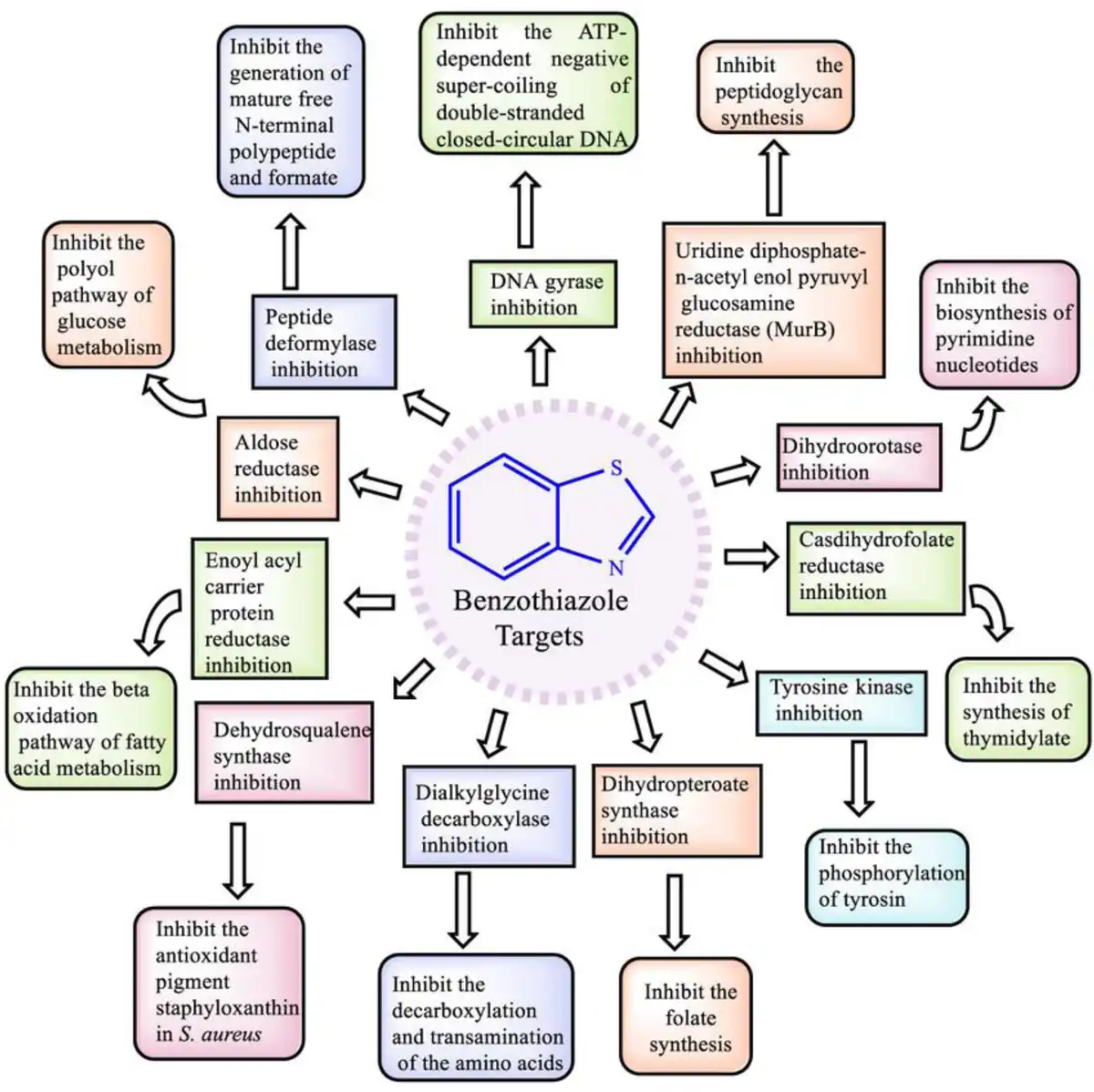
Figure 4.
In vitro and in vivo efficacy of benzothiazole derivatives.
Table 5 summarizes key findings from various studies assessing the efficacy of benzothiazole derivatives. The results from in vitro and in vivo studies underscore their significant anticancer potential, while early-phase clinical trials highlight manageable toxicity and encouraging efficacy.[18] These findings collectively support the ongoing development and investigation of benzothiazole derivatives in clinical settings.
Table 5
Summary of preclinical and clinical studies on benzothiazole derivatives.
| Study type | Study design | Key findings | Limitations |
|---|---|---|---|
| In vitro studies | Cell line experiments | Significant cytotoxicity across multiple cancer lines | Limited to specific cancer cell lines, may not translate to whole organism |
| Exploration of various mechanisms of action (eg, apoptosis induction, cell cycle arrest) | Cell lines may not fully represent the complexities of tumor microenvironment | ||
| In vivo studies | Xenograft models | Tumor growth inhibition in animal models | Xenografts do not perfectly mimic human cancers |
| Prolonged survival observed in treated animals | Limited assessment of potential side effects compared with human trials | ||
| Clinical trials | Phase I/II trials | Manageable toxicity profiles for benzothiazole derivatives | Small patient groups, limited generalizability |
| Promising preliminary efficacy against specific cancers | Short-term studies, long-term effects, and overall survival not yet established |
(1) Efficacy in tumor models. Various benzothiazole derivatives have demonstrated significant anticancer activity in animal models. For instance, 2-(4-aminophenyl)benzothiazole has shown potent antitumor effects in xenograft models of breast cancer.[110] In these studies, the compound significantly reduces tumor growth and prolongs survival compared with control groups. Similarly, other benzothiazole derivatives have shown efficacy in models of lung cancer, colon cancer, and melanoma.[111]
(2) Pharmacokinetics and bioavailability. In vivo studies also assess the pharmacokinetics and bioavailability of benzothiazole derivatives. These studies involve measuring the ADME of the compounds in animal models. For example, pharmacokinetic studies of 2-(4-aminophenyl)benzothiazole have revealed its favorable bioavailability and distribution to tumor tissues, supporting its potential as an effective anticancer agent.[112]
(3) Toxicity and safety. Evaluating the toxicity and safety of benzothiazole derivatives is crucial for their development as therapeutic agents. In vivo studies have assessed the potential adverse effects of these compounds on normal tissues and organs. For example, toxicity studies of 2-(4-aminophenyl)benzothiazole in mice have shown minimal toxicity to normal tissues at therapeutic doses.[113] However, some benzothiazole derivatives may exhibit dose-dependent toxicities, necessitating careful optimization of dosing regimens to balance efficacy and safety.
4.3 Clinical trials
Clinical trials are the final and most critical phase of drug development, assessing the safety, efficacy, and therapeutic potential of benzothiazole derivatives in human patients. While preclinical studies provide promising data, clinical trials are essential to validate these findings and determine the clinical utility of these compounds.
(1) Early-phase clinical trials. Early-phase clinical trials, including phase I and phase II studies, primarily focus on evaluating the safety, tolerability, and preliminary efficacy of benzothiazole derivatives.[114] These trials involve a small number of patients and aim to identify the optimal dose and dosing regimen for further studies.
(i) Phase I trials. Phase I trials are designed to assess the safety and tolerability of benzothiazole derivatives in human patients. These trials typically involve dose-escalation studies to determine the maximum tolerated dose (MTD) and identify dose-limiting toxicities (DLTs). For example, a phase I trial of a benzothiazole derivative may involve treating patients with escalating doses of the compound and monitoring for adverse effects, such as hematological toxicity or gastrointestinal disturbances.
(ii) Phase II trials. Phase II trials aim to evaluate the preliminary efficacy of benzothiazole derivatives in specific cancer types. These trials often involve larger patient cohorts and assess the compound’s ability to induce tumor responses, such as partial or complete remission, and improve progression-free survival (PFS) and overall survival. For instance, a phase II trial of a benzothiazole derivative in breast cancer patients may evaluate the compound’s ability to reduce tumor size and improve survival outcomes compared with standard therapies.
(2) Late-phase clinical trials. Late-phase clinical trials, including phase III studies, aim to confirm the efficacy and safety of benzothiazole derivatives in larger patient populations and compare their performance to standard treatments.[115]
Phase III trials. Phase III trials are pivotal studies that involve large patient cohorts and aim to establish the clinical efficacy and safety of benzothiazole derivatives. These trials often involve randomized controlled trials comparing the benzothiazole derivative to standard therapies or placebo. The primary endpoints of phase III trials typically include overall survival, PFS, and quality of life. For example, a phase III trial of a benzothiazole derivative in lung cancer patients may compare the compound’s efficacy to that of a standard chemotherapy regimen, assessing outcomes such as overall survival and treatment-related adverse effects.
(3) Current status of clinical trials. As of the latest available data, several benzothiazole derivatives have entered clinical trials, with varying degrees of success.
(i) 2-(4-Aminophenyl)benzothiazole derivatives. Some derivatives of 2-(4-aminophenyl)benzothiazole have shown promise in early-phase clinical trials for breast cancer and other malignancies.[110] These trials have demonstrated manageable toxicity profiles and encouraging preliminary efficacy, warranting further investigation in larger studies.
(ii) Other benzothiazole derivatives. Other benzothiazole derivatives are in various stages of clinical development, with ongoing phase I and phase II trials for different cancer types.[116] These trials aim to establish the safety and preliminary efficacy of these compounds and identify potential biomarkers of response.
4.3.1 Challenges and future directions
While the preclinical and early clinical data for benzothiazole derivatives are promising, several challenges remain in their clinical development:
(1) Optimizing dosing regimens. Determining the optimal dosing regimens for benzothiazole derivatives is crucial to balance efficacy and toxicity. Ongoing clinical trials aim to refine dosing schedules and identify the MTD and DLTs.
(2) Overcoming resistance. Like other anticancer agents, benzothiazole derivatives may encounter resistance mechanisms in cancer cells. Future research will focus on understanding these resistance mechanisms and developing combination therapies to overcome resistance and enhance therapeutic efficacy.
(3) Biomarker development. Identifying predictive biomarkers of response to benzothiazole derivatives is essential for patient stratification and personalized therapy. Ongoing studies aim to identify molecular markers that can predict patient responses and guide treatment decisions.
(4) Expanding therapeutic indications. Expanding the therapeutic indications of benzothiazole derivatives to other cancer types and exploring their potential in combination with immunotherapy, targeted therapy, and other modalities are important areas of future research.
(5) Long-term safety and efficacy. Assessing the long-term safety and efficacy of benzothiazole derivatives is crucial for their successful clinical translation. Ongoing and future clinical trials will continue to monitor patients for potential late-onset toxicities and durable responses.
5. Therapeutic potential and future directions
5.1 Comparative efficacy
Benzothiazole derivatives have emerged as promising candidates in the landscape of anticancer therapeutics.[117] Their unique chemical structure, combined with a range of biological activities, positions them favorably compared with existing anticancer agents.
5.1.1 Mechanisms of action
Benzothiazole derivatives exhibit multiple mechanisms of action, including induction of apoptosis, cell cycle arrest, and inhibition of angiogenesis, similar to established anticancer agents such as taxanes, alkylating agents, and targeted therapies. However, what distinguishes benzothiazole derivatives is their ability to engage diverse pathways, often leading to synergistic effects when combined with other therapies.
(1) Induction of apoptosis. Unlike some traditional chemotherapeutics that primarily activate the extrinsic apoptosis pathway, many benzothiazole derivatives engage both the intrinsic and extrinsic pathways.[118] This dual action can enhance efficacy, especially in resistant cancer types.
(2) Cell cycle regulation. Similar to other anticancer agents like gemcitabine and paclitaxel, which target specific phases of the cell cycle, benzothiazole derivatives are effective in inducing cell cycle arrest.[119] Their ability to target multiple phases may provide an advantage in evading resistance mechanisms commonly associated with single-target drugs.
5.1.2 Efficacy against resistant cancer cell lines
One of the significant challenges in cancer treatment is the emergence of drug resistance. Many established anticancer agents face limitations due to the development of resistance mechanisms, such as overexpression of drug efflux pumps or mutations in target proteins. Benzothiazole derivatives have shown potential against various resistant cancer cell lines. For instance, studies have indicated that certain benzothiazole derivatives maintain efficacy against multidrug-resistant cancer cells, demonstrating their capability to circumvent common resistance mechanisms.[120]
5.1.3 Comparative studies with established agents
Several studies have directly compared the efficacy of benzothiazole derivatives with existing anticancer agents. For example, derivatives such as 2-(4-aminophenyl)benzothiazole have shown superior anticancer effects compared with established drugs like doxorubicin in preclinical models of breast cancer.[121] These comparisons not only highlight the promising efficacy of benzothiazole derivatives but also underscore their potential to be developed as alternative or adjunctive therapies in cancer treatment.
5.2 Drug development
The potential for benzothiazole derivatives in drug development is substantial, particularly in the context of personalized medicine. Their diverse biological activities, favorable pharmacokinetic profiles, and promising preclinical and clinical results provide a strong foundation for future therapeutic advancements.
5.2.1 Development of novel therapeutics
Benzothiazole derivatives can be further modified to enhance their anticancer properties. SAR studies have provided valuable insights into how specific structural modifications can improve efficacy, reduce toxicity, and increase selectivity toward cancer cells.[122] This iterative process of design and testing is essential in drug development and positions benzothiazole derivatives as versatile scaffolds for new therapeutic agents.
5.2.2 Integration into personalized medicine
The advent of personalized medicine has transformed cancer treatment, enabling therapies to be tailored to the individual characteristics of each patient’s tumor. Benzothiazole derivatives could play a crucial role in this landscape by being developed alongside biomarkers that predict patient response.[55] Future research should focus on identifying molecular signatures associated with sensitivity to benzothiazole derivatives, paving the way for their use in personalized therapeutic regimens.
5.2.3 Combination therapies
The therapeutic potential of benzothiazole derivatives extends beyond monotherapy. Their ability to enhance the efficacy of existing treatments suggests that they may serve as effective combinatory agents. For instance, ongoing studies are exploring combinations of benzothiazole derivatives with conventional chemotherapeutics, targeted therapies, and immunotherapies to maximize therapeutic outcomes while minimizing side effects.[45]
5.3 Future research directions
While the current research on benzothiazole derivatives has yielded promising results, several gaps and areas of opportunity remain that warrant further exploration.
5.3.1 Understanding resistance mechanisms
Despite the observed efficacy of benzothiazole derivatives against resistant cancer cell lines, comprehensive studies are needed to elucidate the underlying mechanisms of resistance. Identifying specific genetic or molecular alterations that confer resistance will aid in the rational design of combination therapies and the development of next-generation benzothiazole derivatives that can effectively target these resistant phenotypes.
5.3.2 Preclinical to clinical translation
Transitioning from preclinical findings to successful clinical applications remains a significant hurdle in drug development. Future studies should focus on developing robust preclinical models that closely mimic human cancer biology, including the tumor microenvironment and immune context. Such models will provide more accurate predictions of clinical efficacy and safety, ultimately aiding in the design of effective clinical trials.
5.3.3 Expanded therapeutic indications
Current research primarily focuses on specific cancer types, but there is an opportunity to investigate the potential of benzothiazole derivatives in a broader range of malignancies. Future studies should explore the efficacy of these compounds in less common cancers and those with limited treatment options, expanding their therapeutic repertoire.
5.3.4 Optimization of formulations
The formulation of benzothiazole derivatives for effective delivery is crucial for achieving optimal therapeutic outcomes. Research should explore various drug delivery systems, such as nanocarriers,[123] liposomes,[124] or polymeric carriers, to improve the bioavailability, stability, and targeted delivery of these compounds. Advanced formulations may enhance the therapeutic index and reduce off-target toxicity.
5.3.5 Clinical trial design
The design of clinical trials for benzothiazole derivatives should consider innovative approaches to maximize the chances of success. Adaptive trial designs, which allow modifications based on interim results, could be particularly useful in exploring the efficacy of these compounds in various settings and patient populations. Additionally, the inclusion of biomarker-driven endpoints could provide valuable insights into patient responses and guide future treatment strategies.
5.3.6 Long-term safety and efficacy studies
While early-phase clinical trials provide essential safety and efficacy data, long-term studies are necessary to understand the durability of responses and the potential for late-onset toxicities. Future research should prioritize the establishment of long-term follow-up studies to monitor patients receiving benzothiazole derivatives, ensuring that the benefits outweigh any long-term risks.
5.3.7 Collaboration and multidisciplinary approaches
Addressing the complex challenges in cancer treatment requires collaboration across disciplines. Future research initiatives should foster partnerships among chemists, biologists, pharmacologists, and clinicians to develop a comprehensive understanding of benzothiazole derivatives’ therapeutic potential. Interdisciplinary teams can drive innovative research and facilitate the translation of findings from the laboratory to the clinic. Benzothiazole derivatives represent a promising class of compounds with significant therapeutic potential in cancer treatment. Their favorable pharmacological profiles, diverse mechanisms of action, and encouraging preclinical and clinical results position them as valuable candidates for drug development. While challenges remain, ongoing research is essential to fully harness the potential of benzothiazole derivatives and advance them toward effective therapeutic agents. By addressing current gaps in knowledge and exploring new avenues of research, the future of benzothiazole derivatives in oncology looks promising, with the potential to significantly improve patient outcomes in cancer care.
6. Conclusions
Benzothiazole derivatives have emerged as a significant focus in cancer research due to their diverse biological activities and therapeutic potential. This review has highlighted several key aspects of benzothiazole derivatives, particularly regarding their synthesis methods and anticancer efficacy.
6.1 Synthesis methods
The review detailed various synthetic approaches to producing benzothiazole derivatives, emphasizing both traditional and modern techniques. Traditional methods, such as the condensation of thiourea with ortho-haloaryl compounds, have been foundational in developing these compounds. However, contemporary synthetic techniques, including microwave-assisted synthesis and green chemistry approaches, have revolutionized the field by offering more efficient, sustainable, and eco-friendly methods. These advancements not only streamline the synthesis process but also allow for the rapid exploration of SARs, facilitating the design of more potent and selective derivatives.
6.2 Therapeutic potential
The therapeutic potential of benzothiazole derivatives in cancer treatment is underscored by their ability to induce apoptosis, inhibit cell proliferation, and disrupt angiogenesis. Their mechanisms of action provide a multifaceted approach to targeting cancer, making them valuable candidates for further development. Preclinical studies have shown promising results, with many derivatives demonstrating potent cytotoxicity against a range of cancer cell lines and superior efficacy compared with existing agents.
Furthermore, ongoing research into the pharmacokinetics, safety profiles, and combination therapies enhances the viability of benzothiazole derivatives as therapeutic agents. The potential for integration into personalized medicine, combined with the identification of biomarkers for patient stratification, positions these compounds at the forefront of innovative cancer treatment strategies.
6.3 Future directions
Despite the promising data, challenges remain in the clinical translation of benzothiazole derivatives. Future research should focus on addressing these gaps, including understanding resistance mechanisms, optimizing drug formulations, and conducting long-term safety studies. Collaborative, multidisciplinary approaches will be essential in advancing benzothiazole derivatives toward successful clinical applications. In conclusion, benzothiazole derivatives represent a promising avenue for cancer therapy, with substantial potential for further development. Their unique synthesis methods and therapeutic efficacy highlight their role in the future landscape of oncology, offering hope for improved outcomes in cancer treatment.
Acknowledgments
The author would like to express his sincere gratitude to College of Medicine, Thi-Qar University, Thi-Qar, Iraq for their support.
Conflicts of interests
The author declare that he no conflicts of interest.
References
- [1] Siegel RL, Miller KD, Wagle NS, et al. Cancer statistics, 2023. CA Cancer J Clin. 2023;73(1):17–48.
- [2] Bisoyi P. A brief tour guide to cancer disease. In: Understanding Cancer: From Basics to Therapeutics. Elsevier; 2022. doi: 10.1016/B978-0-323-99883-3.00006-8.
- [3] Huang M, Lu JJ, Ding J. Natural products in cancer therapy: past, present and future. Nat Prod Bioprospect. 2021;11:5–13.
- [4] Are C, Murthy SS, Sullivan R, et al. Global cancer surgery: pragmatic solutions to improve cancer surgery outcomes worldwide. Lancet Oncol. 2023;24(12):e472–e518. doi: 10.1016/S1470-2045(23)00412-6.
- [5] Mahvi DA, Liu R, Grinstaff MW, et al. Local cancer recurrence: the realities, challenges, and opportunities for new therapies. CA Cancer J Clin. 2018;68(6):488–505.
- [6] Kang J, Thompson RF, Aneja S, et al. National cancer institute workshop on artificial intelligence in radiation oncology: training the next generation. Pract Radiat Oncol. 2021;11(1):74–83.
- [7] Shao C, Lu W, Wan N, et al. Integrative omics analysis revealed that metabolic intervention combined with metronomic chemotherapy selectively kills cancer cells. J Proteome Res. 2019;18(6):2643–2653.
- [8] Maiti AK. Elevate the ROS level to kill cancer cells during chemotherapy. Chemother Open Access. 2012;01(05):1000.
- [9] Cancer Research UK. How Chemotherapy Works. Cancer Research UK; 2013. Available at: https://www.cancerresearchuk.org/about-cancer/treatment/chemotherapy/how-chemotherapy-works
- [10] Iancu G, Serban D, Badiu CD, et al. Tyrosine kinase inhibitors in breast cancer (review). Exp Ther Med. 2021;23(2):114.
- [11] Han XJ, Ma XL, Yang L, Wei YQ, Peng Y, Wei XW. Progress in neoantigen targeted cancer immunotherapies. Front Cell Dev Biol. 2020;8:728. doi: 10.3389/fcell.2020.00728.
- [12] Le QV, Yang G, Wu Y, Jang HW, Shokouhimehr M, Oh YK. Nanomaterials for modulating innate immune cells in cancer immunotherapy. Asian J Pharm Sci. 2019;14(1):16–29.
- [13] Reda M, Ngamcherdtrakul W, Nelson MA, et al. Development of a nanoparticle-based immunotherapy targeting PD-L1 and PLK1 for lung cancer treatment. Nat Commun. 2022;13(1):4261.
- [14] Masi M, Racchi M, Travelli C, Corsini E, Buoso E. Molecular characterization of membrane steroid receptors in hormone-sensitive cancers. Cells. 2021;10(11):2999.
- [15] Tenda Y, Miyashita M, Yamada A, et al. Older patients’ experience of living with cognitive impairment related to hormone therapy for breast cancer: a qualitative study. Eur J Oncol Nurs. 2022;57:102115.
- [16] David C, Boinet T. L’hormonothérapie dans le cancer de la prostate. Actual Pharm. 2019;58(583):13–17. doi: 10.1016/j.actpha.2018.12.003.
- [17] Sung H, Ferlay J, Siegel RL, et al. Global Cancer Statistics 2020: GLOBOCAN estimates of incidence and mortality worldwide for 36 cancers in 185 countries. CA Cancer J Clin. 2021;71(3):209–249.
- [18] Pathak N, Rathi E, Kumar N, et al. A review on anticancer potentials of benzothiazole derivatives. Mini-Rev Med Chem. 2019;20(1):12–23.
- [19] Bhat M, Belagali SL. Structural activity relationship and importance of benzothiazole derivatives in medicinal chemistry: a comprehensive review. Mini-Rev Org Chem. 2020;17(3):323–350.
- [20] Singh M, Singh S. Benzothiazoles: how relevant in cancer drug design strategy? Anticancer Agents Med Chem. 2014;14(1):127–146.
- [21] Anand K. Synthesis, biological activity and recent advancement of benzothiazoles: a classical review. World J Pharm Pharm Sci. 2017;18:1842–1869.
- [22] Al-Amiery AA, Musa AY, Kadhum AAH, et al. The use of umbelliferone in the synthesis of new heterocyclic compounds. Molecules. 2011;16(8):6833–6843.
- [23] Haider K, Rehman S, Pathak A, Najmi AK, Yar MS. Advances in 2-substituted benzothiazole scaffold-based chemotherapeutic agents. Archiv der Pharmazie. 2021;354(12):2100246. doi: 10.1002/ardp.202100246.
- [24] Haider K, Shrivastava N, Pathak A, Dewangan RP, Yahya S, Yar MS. Recent advances and SAR study of 2-substituted benzothiazole scaffold based potent chemotherapeutic agents. Results Chem. 2022;4:100258.
- [25] Frasinyuk M, Chhabria D, Kartsev V, et al. Benzothiazole and chromone derivatives as potential ATR kinase inhibitors and anticancer agents. Molecules. 2022;27(14):4637.
- [26] Eshkil F, Eshghi H, Saljooghi AS, et al. Benzothiazole thiourea derivatives as anticancer agents: design, synthesis, and biological screening. Russ J Bioorg Chem. 2017;43(5):576–582.
- [27] Diao PC, Lin WY, Jian XE, et al. Discovery of novel pyrimidine-based benzothiazole derivatives as potent cyclin-dependent kinase 2 inhibitors with anticancer activity. Eur J Med Chem. 2019;179:196–207.
- [28] Irfan A, Batool F, Zahra Naqvi SA, et al. Benzothiazole derivatives as anticancer agents. J Enzyme Inhib Med Chem. 2020;35(1):265–279.
- [29] Folkman J. Role of angiogenesis in tumor growth and metastasis. Semin Oncol. 2002;29(6):15–18. doi: 10.1053/sonc.2002.37263.
- [30] Abd El-Meguid EA, Mohi El-Deen EM, Moustafa GO, et al. Synthesis, anticancer evaluation and molecular docking of new benzothiazole scaffolds targeting FGFR-1. Bioorg Chem. 2022;119:105504.
- [31] Abdullahi SH, Moin AT, Uzairu A, et al. Molecular docking studies of some benzoxazole and benzothiazole derivatives as VEGFR-2 target inhibitors: in silico design, MD simulation, pharmacokinetics and DFT studies. Intelligent Pharm. 2024;2(2):232–250.
- [32] Liu W, Zhang X, Zhao J, et al. Inhibition of cervical cancer cell metastasis by benzothiazole through up-regulation of E-cadherin expression. Microb Pathog. 2017;111:182–186.
- [33] Yadav KP, Rahman MA, Nishad S, et al. Synthesis and biological activities of benzothiazole derivatives: a review. Intelligent Pharm. 2023;1(3):122–132.
- [34] Praveen C, Nandakumar A, Dheenkumar P, et al. Microwave-assisted one-pot synthesis of benzothiazole and benzoxazole libraries as analgesic agents. J Chem Sci. 2012;124(3):609–624.
- [35] Ermiş E, Durmuş K. Novel thiophene-benzothiazole derivative azomethine and amine compounds: microwave assisted synthesis, spectroscopic characterization, solvent effects on UV–Vis absorption and DFT studies. J Mol Struct. 2020;1217:128354.
- [36] Makwana S, Kumari P. Microwave assisted synthesis: a green chemistry approach and future directions. Fut Green Syn. 2023:1–60.
- [37] Jena JI. Significance of benzothiazole moiety in the field of cancer. Int J Pharm Pharm Sci. 2014;6(2):16–22.
- [38] Zhilitskaya LV, Shainyan BA, Yarosh NO. Modern approaches to the synthesis and transformations of practically valuable benzothiazole derivatives. Molecules. 2021;26(8):2190.
- [39] Mahapatra R, Hazra K. A review on benzothiazole derivatives and their biological significances. Asian J Res Med Pharm Sci. 2023;12:13–19.
- [40] Sumit, Kumar A, Mishra AK. Advancement in pharmacological activities of benzothiazole and its derivatives: an up to date review. Mini-Rev Med Chem. 2020;21(3):314.
- [41] Irfan A, Kalam A, Al-Sehemi AG, et al. Investigation of the effect of substituents on electronic and charge transport properties of benzothiazole derivatives. Molecules. 2022;27(24):8672.
- [42] Haroun M. Review on the developments of benzothiazole-containing antimicrobial agents. Curr Top Med Chem. 2022;22(32):2630–2659.
- [43] Keri RS, Patil MR, Patil SA, Budagumpi S. A comprehensive review in current developments of benzothiazole-based molecules in medicinal chemistry. Eur J Med Chem. 2015;89:207–251. doi: 10.1016/j.ejmech.2014.10.059.
- [44] García-Báez EV, Padilla-Martínez II, Tamay-Cach F, Cruz A. Benzothiazoles from condensation of o-aminothiophenoles with carboxylic acids and their derivatives: a review. Molecules. 2021;26(21):6518.
- [45] Sharma PC, Sharma D, Sharma A, et al. New horizons in benzothiazole scaffold for cancer therapy: advances in bioactivity, functionality, and chemistry. Appl Mater Today. 2020;20:100783.
- [46] Dernovšek J, Zajec Z, Durcik M, et al. Structure–activity relationships of benzothiazole-based hsp90 c-terminal-domain inhibitors. Pharmaceutics. 2021;13(8):1283.
- [47] McCracken RO, Lipkowitz KB. Structure-activity relationships of benzothiazole and benzimidazole anthelmintics: a molecular modeling approach to in vivo drug efficacy. J Parasitol. 1990;76(6):853–864.
- [48] Chen L, He H, Huang X, et al. Control of the fluorescence molecule 2-(2′-hydroxyphenyl) benzothiazole derivatives by introducing electron-donating and withdrawing substituents groups. Spectrochim Acta A Mol Biomol Spectrosc. 2023;296:122666.
- [49] Pal SK, Sahu T, Misra T, et al. Experimental investigation by laser flash photolysis to reveal the optical and electron-donating properties of benzothiazole derivatives and a theoretical approach by using time-dependent density functional theory. J Phys Chem A. 2004;108(47):10395–10404.
- [50] Satija G, Sharma B, Madan A, et al. Benzimidazole based derivatives as anticancer agents: structure activity relationship analysis for various targets. J Heterocycl Chem. 2022;59(1):22–66.
- [51] Begtrup M, Hansen LBL, Grundvig S, et al. New methods for the introduction of substituents into thiazoles. Acta Chem Scand. 1992;46:372–383.
- [52] Thaker BT, Patel BS, Dhimmar YT, et al. Mesomorphic studies of novel azomesogens having a benzothiazole core: synthesis and characterisation. Liq Cryst. 2013;40(2):237–248.
- [53] Kumar D, Kumar Jain S. A comprehensive review of n-heterocycles as cytotoxic agents. Curr Med Chem. 2016;23(38):4338.
- [54] Das B, Baidya AT, Mathew AT, Yadav AK, Kumar R. Structural modification aimed for improving solubility of lead compounds in early phase drug discovery. Bioorg Med Chem. 2022;56:116614. doi: 10.1016/j.bmc.2022.116614.
- [55] Ahmed K, Yellamelli Valli Venkata S, Mohammed NA, Sultana F, Methuku KR. Recent advances on structural modifications of benzothiazoles and their conjugate systems as potential chemotherapeutics. Expert Opin Investig Drugs. 2012;21(5):619–635.
- [56] Husain A, Monga J, Narwal S, et al. Prodrug rewards in medicinal chemistry: an advance and challenges approach for drug designing. Chem Biodiversity. 2023;20(11):e202301169.
- [57] Fattash B, Karaman R. Chemical approaches used in prodrugs design. In: Karaman R, ed. Prodrugs Design: A New Era. New York, NY: Nova Science Publishers, Inc; 2014:103–138.
- [58] Djuidje EN, Barbari R, Baldisserotto A, et al. Benzothiazole derivatives as multifunctional antioxidant agents for skin damage: structure–activity relationship of a scaffold bearing a five-membered ring system. Antioxidants. 2022;11(2):407.
- [59] Qiao JX, Wang TC, Hiebert S, et al. 4-Benzothiazole-7-hydroxyindolinyl diaryl ureas are potent P2Y1 antagonists with favorable pharmacokinetics: low clearance and small volume of distribution. ChemMedChem. 2014;9(10):2327–2343.
- [60] Shi DF, Bradshaw TD, Wrigley S, et al. Antitumor benzothiazoles. 3. Synthesis of 2-(4- aminophenyl)benzothiazoles and evaluation of their activities against breast cancer cell lines in vitro and in vivo. J Med Chem. 1996;39(17):3375–3384.
- [61] Wilcken R, Zimmermann MO, Lange A, Joerger AC, Boeckler FM. Principles and applications of halogen bonding in medicinal chemistry and chemical biology. J Med Chem. 2013;56(4):1363–1388.
- [62] Tandon R, Singh I, Luxami V, Tandon N, Paul K. Recent advances and developments of in vitro evaluation of heterocyclic moieties on cancer cell lines. Chem Rec. 2019;19(2–3):362–393. doi: 10.1002/tcr.201800024.
- [63] Sharma PC, Sinhmar A, Sharma A, Rajak H, Pathak D. Medicinal significance of benzothiazole scaffold: an insight view. J Enzyme Inhib Med Chem. 2013;28(2):240–266.
- [64] Morphy R. Selectively nonselective kinase inhibition: striking the right balance. J Med Chem. 2010;53(4):1413–1437.
- [65] Sun D, Gao W, Hu H, Zhou S. Why 90% of clinical drug development fails and how to improve it? Acta Pharm Sin B. 2022;12(7):3049–3062.
- [66] Sharma PC, Kumar Bansal K, Deep A, Pathak M. Benzothiazole derivatives as potential anti-infective agents. Curr Top Med Chem. 2017;17(2):208–237.
- [67] Kamal R, Kumar V, Kumar R, et al. Chloramine-T mediated facile one pot synthesis of pyrazolyltriazolobenzothiazole hybrids as potent anti-infective agents. ChemistrySelect. 2019;4(31):9190–9193.
- [68] Singh C, et al. Benzothiazole: synthetic strategies, biological potential, and interactions with targets. Mini-Rev Org Chem. 2022;19(2):242–256. doi: 10.2174/1570193X18666210308145703.
- [69] Ajani OO, Iyaye KT, Ademosun OT. Recent advances in chemistry and therapeutic potential of functionalized quinoline motifs - a review. RSC Adv. 2022;12(29):18594–18614. doi: 10.1039/d2ra02896d.
- [70] Chahal M, Dhillon S, Rani P, Kumari G, Aneja DK, Kinger M. Unravelling the synthetic and therapeutic aspects of five, six and fused heterocycles using Vilsmeier-Haack reagent. RSC Adv. 2023;13(38):26604–26629. doi: 10.1039/d3ra04309f.
- [71] Akhtar R, Zahoor AF, Ahmad S, et al. Update on the reactivity of saccharin: an excellent precursor for the synthesis of biologically important molecules. Heterocycles. 2017;94(8):1389.
- [72] Kant K, Patel CK, Banerjee S, et al. Recent advancements in strategies for the synthesis of imidazoles, thiazoles, oxazoles, and benzimidazoles. ChemistrySelect. 2023;8(47):e202303988.
- [73] Gao X, Liu J, Zuo X, Feng X, Gao Y. Recent advances in synthesis of benzothiazole compounds related to green chemistry. Molecules. 2020;25(7):1675.
- [74] Racané L, Ptiček L, Fajdetić G, et al. Green synthesis and biological evaluation of 6-substituted-2-(2-hydroxy/methoxy phenyl)benzothiazole derivatives as potential antioxidant, antibacterial and antitumor agents. Bioorg Chem. 2020;95:103537.
- [75] Dhopte KB, Zambare RS, Patwardhan AV, et al. Role of graphene oxide as a heterogeneous acid catalyst and benign oxidant for synthesis of benzimidazoles and benzothiazoles. RSC Adv. 2016;6(10):8164–8172.
- [76] Palani P, Chithiraivel V, Senadi GC. Visible-light photocatalyzed oxidative coupling of benzylamines with nucleophiles: synthesis of 2-aryl benzothiazoles and α,β-unsaturated esters. Mater Today Proc. 2021;51:253.
- [77] Lövei K, Greiner I, Éles J, et al. Multistep continuous-flow synthesis of condensed benzothiazoles. J Flow Chem. 2015;5(2):74–81.
- [78] Lad NP, Manohar Y, Mascarenhas M, et al. Methylsulfonyl benzothiazoles (MSBT) derivatives: search for new potential antimicrobial and anticancer agents. Bioorg Med Chem Lett. 2017;27(5):1319–1324.
- [79] Noolvi MN, Patel HM, Kaur M. Benzothiazoles: search for anticancer agents. Eur J Med Chem. 2012;54:447–462.
- [80] Wiman KG, Zhivotovsky B. Understanding cell cycle and cell death regulation provides novel weapons against human diseases. J Intern Med. 2017;281(5):483–495.
- [81] Preuss SB, Britt AB. A DNA-damage-induced cell cycle checkpoint in arabidopsis. Genetics. 2003;164(1):323–334.
- [82] Kaufmann WK, Paules RS. DNA damage and cell cycle checkpoints. FASEB J. 1996;10(2):238–247.
- [83] Malumbres M, Barbacid M. Cell cycle, CDKs and cancer: a changing paradigm. Nat Rev Cancer. 2009;9(3):153–166.
- [84] Alobaidi AH, Alanisi EMA, Alyodawi KA. Exploring PCAT3 expression in arthritis: proinflammatory marker patterns and P53 involvement. AUIQ Complement Biol Syst. 2024;1(2):69–76.
- [85] Grison A, Atanasoski S. Cyclins, cyclin-dependent kinases, and cyclin-dependent kinase inhibitors in the mouse nervous system. Mol Neurobiol. 2020;57(7):3206–3218.
- [86] Hegde M, Vartak SV, Kavitha CV, et al. A benzothiazole derivative (5g) induces DNA damage and potent G2/M arrest in cancer cells. Sci Rep. 2017;7(1):2533.
- [87] Lei Q, Zhang L, Xia Y, et al. A novel benzothiazole derivative SKLB826 inhibits human hepatocellular carcinoma growth via inducing G2/M phase arrest and apoptosis. RSC Adv. 2015;5(52):41341–41351.
- [88] Luna-Vargas MPA, Chipuk JE. The deadly landscape of pro-apoptotic BCL-2 proteins in the outer mitochondrial membrane. FEBS J. 2016;283(14):2676–2689. doi: 10.1111/febs.13624.
- [89] Zhou M, Li Y, Hu Q, et al. Atomic structure of the apoptosome: mechanism of cytochrome c- and dATP-mediated activation of Apaf-1. Genes Dev. 2015;29(22):2349–2361.
- [90] Bao Q, Shi Y. Apoptosome: a platform for the activation of initiator caspases. Cell Death Differ. 2007;14(1):56–65.
- [91] Nair P, Lu M, Petersen S, et al. Apoptosis initiation through the cell-extrinsic pathway. Methods Enzymol. 2014;544:99–128.
- [92] Huang K, Zhang J, O’Neill KL, et al. Cleavage by caspase 8 and mitochondrial membrane association activate the BH3-only protein bid during TRAIL-induced apoptosis. J Biol Chem. 2016;291(22):11843–11851.
- [93] Huang G, Cierpicki T, Grembecka J. 2-Aminobenzothiazoles in anticancer drug design and discovery. Bioorg Chem. 2023;135:106477.
- [94] Haupt S, Berger M, Goldberg Z, Haupt Y. Apoptosis - The p53 network. J Cell Sci. 2003;116(20):4077–4085.
- [95] El-Helby AGA, Sakr H, Eissa IH, et al. Benzoxazole/benzothiazole-derived VEGFR-2 inhibitors: design, synthesis, molecular docking, and anticancer evaluations. Arch Pharm (Weinheim). 2019;352(12):1900178.
- [96] Kamboj P, Mahore A, Husain A, Amir M. Benzothiazole-based apoptosis inducers: a comprehensive overview and future prospective. Arch Pharm. 2024;357(4):2300493. doi: 10.1002/ardp.202300493.
- [97] Nabeshima K, Inoue T, Shimao Y, Sameshima T. Matrix metalloproteinases in tumor invasion: role for cell migration. Pathol Int. 2002;52(4):255–264.
- [98] Kessenbrock K, Plaks V, Werb Z. Matrix metalloproteinases: regulators of the tumor microenvironment. Cell. 2010;141(1):52–67.
- [99] Rankin EB, Giaccia AJ. The role of hypoxia-inducible factors in tumorigenesis. Cell Death Differ. 2008;15(4):678–685.
- [100] Jin X, Dai L, Ma Y, Wang J, Liu Z. Implications of HIF-1α in the tumorigenesis and progression of pancreatic cancer. Cancer Cell Int. 2020;20:1.
- [101] Karimian H, Moghadamtousi SZ, Fadaeinasab M, et al. Ferulago angulata activates intrinsic pathway of apoptosis in MCF-7 cells associated with G1 cell cycle arrest via involvement of p21/p27. Drug Des Devel Ther. 2014;8:1481–1497.
- [102] McCloy RA, Rogers S, Caldon CE, et al. Partial inhibition of Cdk1 in G2 phase overrides the SAC and decouples mitotic events. Cell Cycle. 2014;13(9):1400–1412.
- [103] Al-Sanea MM, Nasr TM, Bondock S, et al. New benzothiazole hybrids as potential VEGFR-2 inhibitors: design, synthesis, anticancer evaluation, and in silico study. J Enzyme Inhib Med Chem. 2023;38(1):2166936.
- [104] Kusrini E, Hashim F, Aziz A, et al. Potential of critical mineral and cytotoxicity activity of gadolinium complex as anti-amoebic agent by viability studies and flow cytometry techniques. AUIQ Complement Biol Syst. 2024;1(2):1–10.
- [105] Shafik SS. Study and measurements of the uranium and amorphous crystals concentrations in urine samples of breast cancer female patients. Iraqi J Physics. 2019;12(25):113–122.
- [106] Mavroidi B, Sagnou M, Halevas E, et al. A tridentate Cu(II) complex with a 2-(4′-aminophenyl)benzothiazole derivative: crystal structure and biological evaluation for anticancer activity. Inorganics (Basel). 2023;11(3):132.
- [107] Bukke SPN, Bharathi A, Saraswathi TS, et al. Formulation and evaluation of in-vitro anti-cancer activity of iron nanoparticles on MCF-7 & A-475 cells. AUIQ Complement Biol Syst. 2024;1(2):21–30.
- [108] Omar AMME, AboulWafa OM, Amr ME, et al. Antiproliferative activity, enzymatic inhibition and apoptosis-promoting effects of benzoxazole-based hybrids on human breast cancer cells. Bioorg Chem. 2021;109:104752.
- [109] Kamal A, Kashi Reddy M, Viswanath A. The design and development of imidazothiazole-chalcone derivatives as potential anticancer drugs. Expert Opin Drug Discov. 2013;8(3):289–304. doi: 10.1517/17460441.2013.758630.
- [110] Tzanopoulou S, Pirmettis IC, Patsis G, et al. Synthesis, characterization, and biological evaluation of M(I)(CO) 3(NNO) complexes (M = Re, 99mTc) conjugated to 2-(4-aminophenyl)benzothiazole as potential breast cancer radiopharmaceuticals. J Med Chem. 2006;49(18):5408–5410.
- [111] Tzanopoulou S, Sagnou M, Paravatou-Petsotas M, et al. Evaluation of Re and 99mTc complexes of 2-(4′-aminophenyl) benzothiazole as potential breast cancer radiopharmaceuticals. J Med Chem. 2010;53(12):4633–4641.
- [112] Bradshaw T, Westwell A. The development of the antitumour benzothiazole prodrug, Phortress, as a clinical candidate. Curr Med Chem. 2005;11(8):1009–1021.
- [113] Singh M, Kumar Singh S, Thakur B, et al. Design and synthesis of novel Schiff base-benzothiazole hybrids as potential epidermal growth factor receptor (EGFR) inhibitors. Anticancer Agents Med Chem. 2015;16(6):722.
- [114] Lee DH. Update of early phase clinical trials in cancer immunotherapy. BMB Rep. 2021;54(1):70–88.
- [115] Benitez JC, Geraud A, Texier M, et al. Late phase 1 studies: concepts and outcomes. Lancet Oncol. 2021;22:e446–e455.
- [116] Kawamura M, Itoh Y, Sawaki M, et al. A phase I/II trial of intraoperative breast radiotherapy in an Asian population: 5-year results of local control and cosmetic outcome. Radiat Oncol. 2015;10(1):1.
- [117] Law CSW, Yeong KY. Current trends of benzothiazoles in drug discovery: a patent review (2015–2020). Expert Opin Ther Pat. 2022;32(3):299–315.
- [118] Singh M, Modi A, Narayan G, et al. Benzothiazole derivatives bearing amide moiety: potential cytotoxic and apoptosis-inducing agents against cervical cancer. Anticancer Drugs. 2016;27(6):519–532.
- [119] Sahil, Kaur K, Jaitak V. Thiazole and related heterocyclic systems as anticancer agents: a review on synthetic strategies, mechanisms of action and SAR studies. Curr Med Chem. 2022;29(29):4958.
- [120] Wu CP, Hsiao SH, Huang YH, et al. Sitravatinib sensitizes ABCB1-and ABCG2-overexpressing multidrug-resistant cancer cells to chemotherapeutic drugs. Cancers (Basel). 2020;12(1):195.
- [121] Karmakar R, Mukhopadhyay C. Synthesis of new horizons in benzothiazole scaffold and used in anticancer drug development. Phys Sci Rev. 2023;8(10):3501–3543. doi: 10.1515/psr-2021-0044.
- [122] Dhiman N, Kaur K, Jaitak V. Tetrazoles as anticancer agents: a review on synthetic strategies, mechanism of action and SAR studies. Bioorg Med Chem. 2020;28(15):115599.
- [123] Saadh MJ, Mustafa MA, Kumar A, et al. Stealth nanocarriers in cancer therapy: a comprehensive review of design, functionality, and clinical applications. AAPS PharmSciTech. 2024;25(6):140.
- [124] You C, Yu J, Sun Y, et al. Enhanced cytotoxicity by a benzothiazole-containing cisplatin derivative in breast cancer cells. New J Chem. 2017;41(2):773–785.
This article is available under Open Access.
© 2025 The Authors